Quick answer: No, Marrakech is not a dangerous city. Yes, Marrakech is safe for tourists, including women travelling alone. Violent crime is rare, and official statistics place the city below many major European metropolises when it comes to assaults. In practice, the question of safety in Marrakech is not about physical risk, but about the small everyday annoyances: pushy sales tactics, persistent touts, fake guides and the classic, well-oiled scams of the medina. With a few simple reflexes, you can enjoy the city with complete peace of mind.
If you are asking yourself “Is Marrakech safe?” before booking your trip, this article answers honestly, without dramatising or downplaying. We review the real level of risk, the most common Marrakech scams and how to sidestep them, the safety of solo women travellers, health and water questions, as well as the emergency numbers to know. The goal: to reassure you, while giving you the right tools.
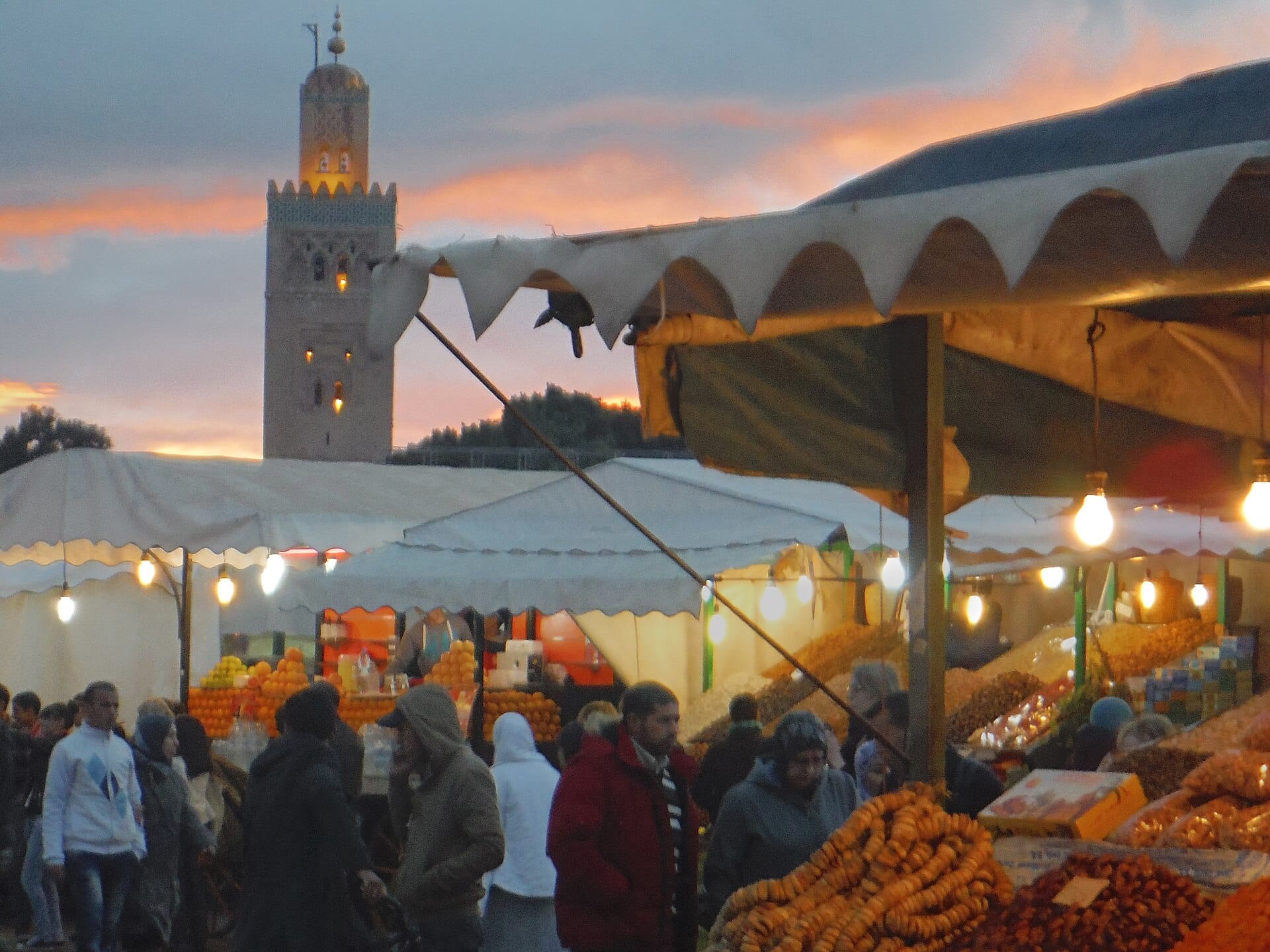
In short: safety in Marrakech at a glance
- Overall risk level: low. Marrakech is a major tourist destination and, on the whole, safe.
- Violent crime: rare against tourists. The real issue is petty crime (pickpocketing) and scams.
- Main annoyances: pushy selling, fake guides, forced henna, taxis without a meter, fake products (argan, saffron), being deliberately led astray in the medina.
- Solo women: travelling alone is possible and common, but verbal harassment is more frequent. Covering clothing and a confident attitude help a great deal.
- Health: drink only sealed bottled water. The main concern remains an upset stomach (“traveller’s diarrhoea”).
- Useful numbers: Police 19, Fire/Ambulance 15, Gendarmerie 177, European emergency number from a mobile 112.
Is Marrakech dangerous? What the numbers really say
Let’s start with the unfiltered truth: Marrakech welcomes several million visitors every year, and the vast majority leave with dazzled memories, not misadventures. Morocco has made tourism an economic pillar, and visitor safety is taken very seriously. For several years now, the police presence has been significantly reinforced in tourist areas, particularly around Jemaa el-Fna square and in the medina, with dedicated units and a tourist police force.
Violent crime against tourists is rare. Physical assaults exist, as everywhere, but remain statistically infrequent and often lower than in comparable large European cities. What you will almost certainly encounter, on the other hand, is a sustained form of commercial pressure: insistent vendors, touts, offers of unsolicited “services”. It is unsettling the first time, but it is not violence — it is a culture of trade and bargaining that you need to learn to navigate.
In other words, the question is not so much “Is Marrakech dangerous?” as “How do I avoid the scams and annoyances in Marrakech?”. And to that question there are clear, effective answers. Even before you leave, it can be useful to check official recommendations, such as the UK Foreign, Commonwealth & Development Office travel advice for Morocco, which recommends normal vigilance.
The main scams in Marrakech (and how to sidestep them)
Here are the most widespread Marrakech scams. Good news: they are all well known, predictable, and easy to counter once you have them in mind. None poses any real danger to your physical safety — they are above all about extracting money from you.
1. Fake guides and “spontaneous” help finding your way
This is the number one scam. In the medina, someone — often friendly and speaking several languages — approaches you, notices you look lost, or claims to be “going the same way”. They accompany you, guide you through the alleys… then demand money at the end, sometimes insistently. A common variant: you are confidently told that “the souk is closed today” or that “this street is a dead end” in order to redirect you towards shops where the tout earns a commission.
How to avoid it: politely but firmly decline any unsolicited help (“La, choukran” = “No, thank you”). Do not follow anyone who offers to show you the way. Use an offline map or a GPS app on your phone. If you want a real guide, arrange one through your hotel/riad or through an accredited official guide (professional licence). To plan your visits with peace of mind, lean instead on a reliable itinerary such as our complete guide to things to do in Marrakech.
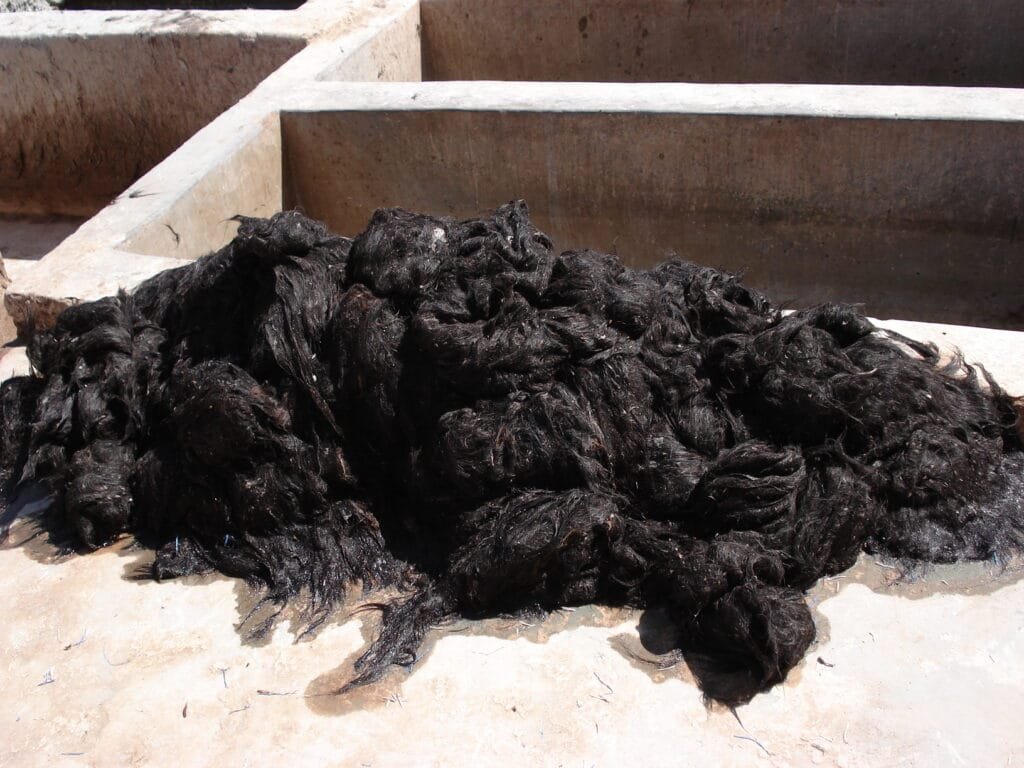
2. The “free” tannery scam
A tout offers to show you the traditional tanneries “for free”, sometimes handing you a sprig of mint “for the smell”. You are led through narrow alleys to a terrace with a view, then an improvised “guide” explains the leather work… before taking you to a shop where the pressure to buy becomes strong, and where a hefty tip is demanded for the “tour”.
How to avoid it: know that nothing is truly free here. If the tanneries interest you, that’s fine — but set the terms in advance: either you visit with an official guide at an agreed price, or you decline to enter. Don’t accept the mint, don’t let yourself be led into a maze, and never feel obliged to buy.
3. Forced henna on Jemaa el-Fna square
On the square, women offer a “little free henna” and sometimes grab your hand to start drawing before you have even agreed. Once the design is traced, they demand a high amount (often 200 to 500 dirhams), and a refusal can trigger a loud scene designed to make you uncomfortable enough to pay. Note: street black henna can also cause skin reactions.
How to avoid it: keep your hands close to you and decline with a clear “no” without stopping. Never let anyone start a henna design without a price having been announced and agreed beforehand. If you really want henna, have it done in a salon with displayed prices.
4. Taxis without a meter
Drivers of “petits taxis” sometimes refuse to switch on the meter (the “compteur“) with tourists and announce a heavily inflated flat fare. A ride across town usually costs a few dozen dirhams; you may be asked for several times more.
How to avoid it: as soon as you get in, ask for “compteur, s’il vous plaît” (meter, please). If the driver refuses, negotiate the price before setting off, or take another taxi. Ask at your riad about the usual fare for a trip. For journeys to or from the airport, it is better to know the options in advance: see our dedicated page on Marrakech-Menara airport (RAK), and more broadly our tips for getting around and organising Marrakech in 3 days.
5. Fake products: argan, saffron, spices and “antiques”
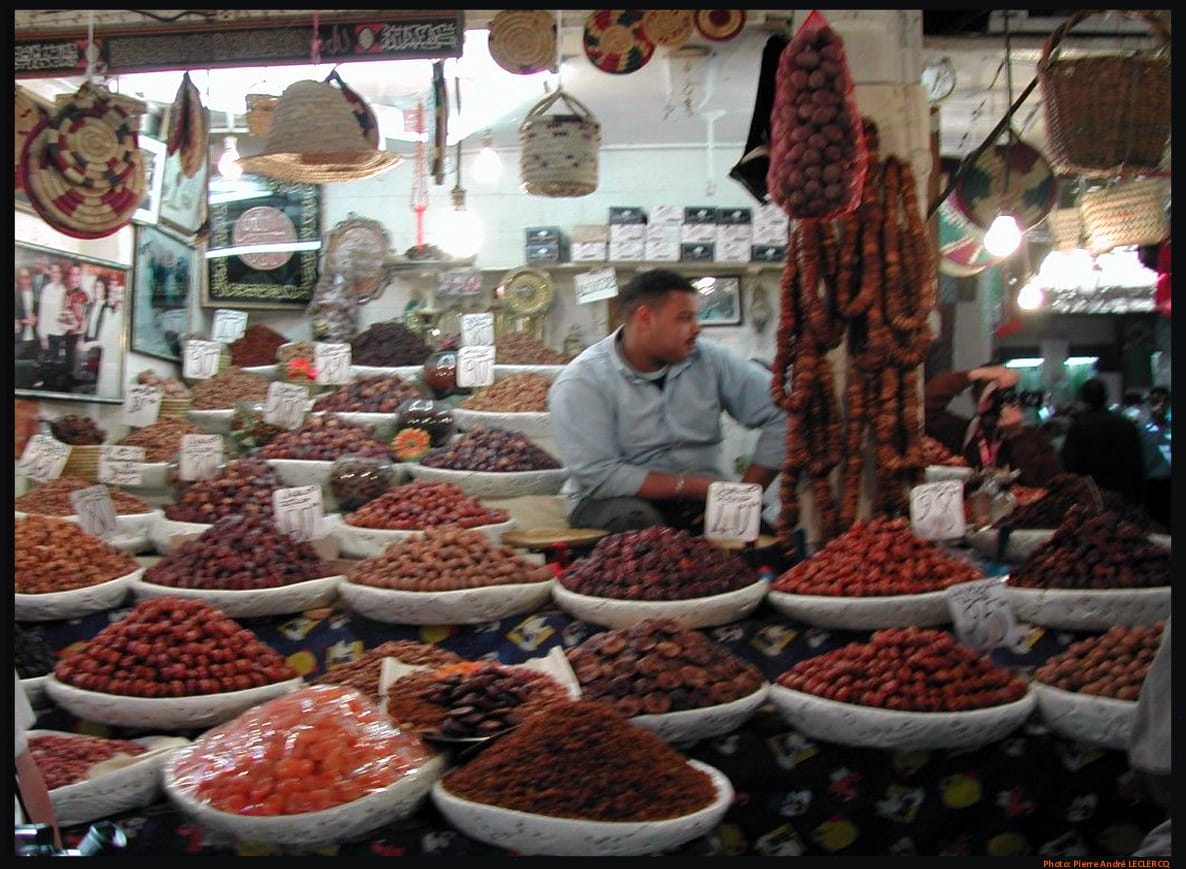
Marrakech is full of authentic wonders… and of counterfeits. “Pure argan oil” is sold cut with cheap oils, “saffron” that is nothing but colouring or safflower, worthless “rare spices”, or fake “antiques” artificially aged. Starting prices in the souks are also heavily inflated: bargaining is part of the game.
How to avoid it: for argan, favour recognised women’s cooperatives. Real saffron is expensive — be wary of prices that are too low. Compare several shops, don’t show too much enthusiasm, and bargain calmly (aiming for 30 to 50% of the first price is common). To shop with an easy mind, our guide to the Marrakech souks details best practices and the artisans’ quarters.
6. Being deliberately led astray in the medina
Some “helpers” deliberately lead you deeper into the labyrinth of the medina, then offer — for a fee — to bring you back to where you started. Other children or youths “escort” you without you asking, only to demand a coin afterwards.
How to avoid it: spot landmarks (the Koutoubia mosque, Jemaa el-Fna square) and keep an offline map. If you are lost, step into an established shop or a café to ask for directions rather than accepting a street guide. Staying calm is enough: the medina is a listed historic heart, not a trap.
7. Petty theft and pickpockets
As in any dense tourist city, pickpocketing exists, especially in the crowds of the souks and on Jemaa el-Fna at peak times. Scooters brushing past the crowd can also catch you off guard.
How to avoid it: a closed bag worn in front of you, phone put away, no ostentatious jewellery, and never leave anything valuable in a back pocket. Spread your money around and keep a copy of your documents. Nothing to be anxious about: these are the same reflexes as in Paris, Barcelona or Rome.
8. Other traps to know: organised begging, currency exchange and “gifts”
A few secondary scams are worth flagging. The forced “gift”, first of all: a vendor slips a bracelet onto your wrist or an object into your hand “as a sign of friendship”, then demands payment. You may also come across insistent, sometimes organised, begging targeting newly arrived tourists. Another classic: “approximate” change on a banknote, or a price quoted in euros far higher than the real price in dirhams. Finally, be wary of exchanging currency outside official bureaux and at isolated ATMs: favour banks, cash machines in busy locations and card payment where possible.
How to avoid it: don’t accept any “offered” object and keep your hands free. Always count your change, preferably pay in dirhams (the local currency), and exchange money at official establishments. Carry small denominations for tips and small purchases, which avoids the opportunistic “no change” excuse.
Where and when to be extra vigilant in Marrakech
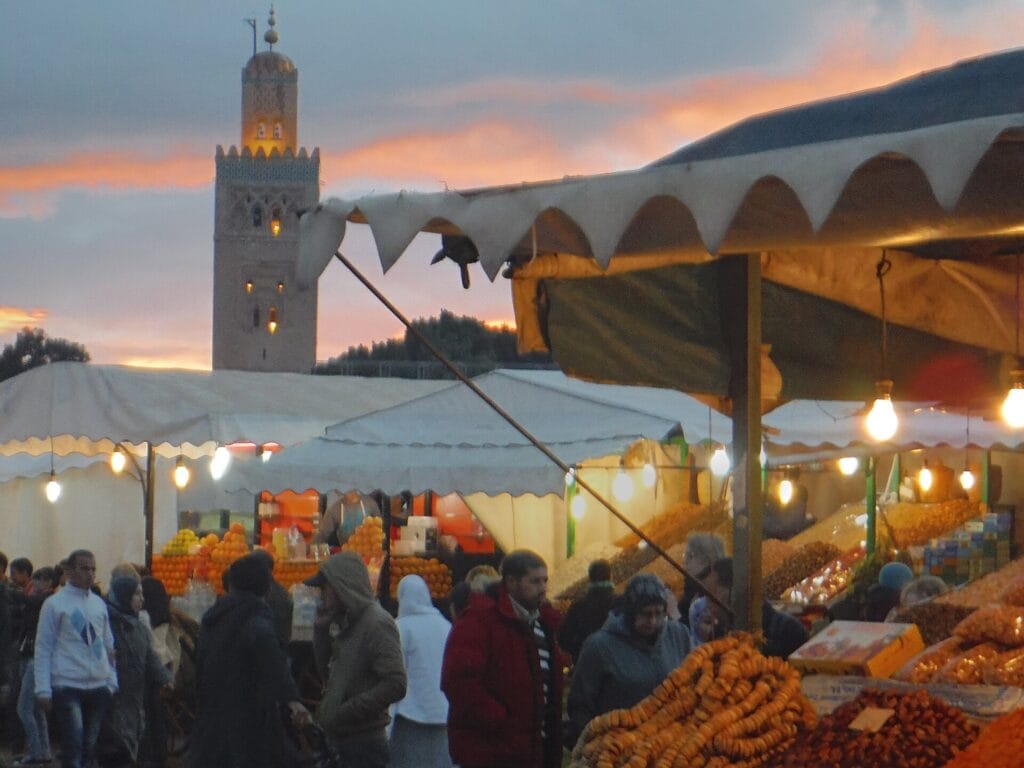
Safety depends a lot on place and time. The medina and the souks concentrate most of the solicitations and petty theft: this is where vigilance is most useful, particularly at busy hours. Jemaa el-Fna square is very lively and, on the whole, well monitored both by day and in the evening, but the crowd also attracts pickpockets and touts (henna, paid photos with animals, musicians asking for money).
More modern districts such as Guéliz or the Hivernage are quieter, with wide avenues, cafés and fixed-price shops: pleasant for a breather between two immersions in the old town. As for timing, daytime poses no problem at all; it is mainly late at night, in the narrow, poorly lit alleys of the medina, that it is better to stick to busy streets or take a taxi. Keeping these markers in mind, you will instinctively know when to relax your vigilance and when to keep it up.
Safety for solo women travellers in Marrakech
A great many women travel alone to Marrakech every year and keep excellent memories of it. The risk of physical assault remains low. On the other hand, this is probably the city where solicitations and verbal harassment are most often reported by women travellers: comments, insistent stares, attempts to strike up conversation. Morocco adopted a law in 2018 punishing street harassment, even if its enforcement varies.
- Ignore provocations: the most effective response remains indifference. Walk with a confident step, without prolonged eye contact with insistent individuals.
- Covering clothing: shoulders and knees covered in public places clearly limits unwanted attention and respects local culture.
- In the evening: favour lively, well-lit streets, avoid the dark, isolated alleys of the medina after nightfall; take a taxi rather than walking alone late.
- Ring and posture: a ring on your finger and mentioning a “husband waiting” often deter the most persistent.
- Choice of accommodation: a well-located, well-rated riad makes a real difference for comfort and peace of mind — see our guide on where to stay in Marrakech.
Health, water and everyday little concerns
The most common health concern among tourists is nothing dramatic: it is digestive upset (the famous “traveller’s diarrhoea”), linked to water or ill-suited food. A few precautions are enough to enjoy a trouble-free stay.
- Water: drink only sealed bottled water, including for brushing your teeth. Avoid tap water.
- Ice and raw vegetables: be wary of ice cubes and salads washed with tap water in unreliable establishments.
- Street food: it is delicious — favour very busy stalls, with rapid turnover and dishes well cooked and served hot.
- Hygiene: keep hand sanitiser with you, as water points are not always equipped with soap.
- Sun and heat: in summer, Marrakech is very hot. Hat, sunscreen, regular hydration and breaks in the shade.
- First-aid kit and insurance: take an anti-diarrhoeal treatment, your usual medicines, and take out travel insurance covering medical expenses.
Pharmacies are numerous and well stocked, and the staff often speak French. For a minor health problem, a pharmacy resolves most situations quickly.
Emergency numbers to know in Marrakech
Save these numbers in your phone before you leave. If you call, stay calm, clearly state your location, then the nature of the emergency.
- Police (emergencies): 19
- Civil protection — fire brigade and ambulance: 15
- Royal gendarmerie (outside town / roads): 177
- European emergency number from a mobile: 112
- SAMU (medical emergencies): 141
Also note the contact details of your embassy or consulate, as well as the number of your riad or hotel. In case of theft, go to the police station (or to the tourist police near Jemaa el-Fna) to obtain a report, often required for your insurance.
Our essential tips for a stress-free stay
- Learn three words: “La, choukran” (no, thank you), “Salam” (hello), “Bslama” (goodbye). A polite but firm refusal defuses 90% of solicitations.
- Never follow an unsolicited street guide, and only ask for directions from established shopkeepers or the police.
- Set and announce prices before any service (taxi, henna, “tour”).
- Keep little cash on you and a closed bag worn in front, especially in crowds.
- Drink sealed bottled water and take out travel insurance.
- Plan your visits in advance with reliable sources so you don’t look disoriented — the best antidote to scams is to look like you know where you are going.
Frequently asked questions (FAQ)
Is Marrakech safe for tourists?
Yes. Marrakech is, on the whole, safe for tourists. Violent crime is rare and the city has a reinforced police presence in tourist areas. The main annoyances are commercial scams and street harassment, not assaults. With a few simple precautions, the trip goes very well.
Can you walk alone in the medina at night?
The main streets and lively squares (such as Jemaa el-Fna) remain busy and monitored in the evening. On the other hand, it is better to avoid the dark, isolated alleys of the medina late at night. If you are returning late, favour a taxi to as close as possible to your riad.
What is the most common scam in Marrakech?
The fake guide: someone “helps” you find your way or leads you towards commission-paying shops, then demands money. The remedy is simple: decline any unsolicited help and use an offline map or an official guide.
Is Marrakech safe for a woman travelling alone?
Yes, many women travel there alone without any major incident. The physical risk is low, but verbal solicitations are more frequent. Clothing covering shoulders and knees, a confident attitude and indifference to provocations make the experience far more pleasant.
Can you drink the tap water in Marrakech?
It is not advisable to drink tap water, including for brushing your teeth. Always opt for sealed bottled water and be wary of ice cubes in unreliable establishments. Digestive upset is travellers’ main health concern, and it is easy to prevent.
How do you tell a real guide from a fake one?
An official guide holds a professional accreditation licence and is generally booked through your hotel/riad or a recognised organisation. A fake guide approaches you spontaneously in the street, insists, and cannot present any accreditation. When in doubt, politely refuse and go through your accommodation.
In conclusion: relax, but stay savvy
Marrakech is not a dangerous city: it is an intense one. Its souks, its colours and its energy are part of the journey, just as much as the need to say “no” with a smile. By knowing the classic scams in advance — fake guides, “free” tanneries, forced henna, taxis without a meter, fake argan and saffron — you will see them coming from a mile off and almost laugh at them. Safety in Marrakech comes down to a few common-sense reflexes, the same ones as in any large tourist city. Plan your itinerary, keep your emergency numbers to hand, and let yourself be carried away by the magic of the ochre city.
To go further, the encyclopaedic entry on Marrakesh on Wikipedia offers excellent historical and cultural context, and the medina is listed as a UNESCO World Heritage Site.
Images under free licence via Wikimedia Commons: © Elgaard (CC BY-SA 4.0); © Pierre André Leclercq (CC BY-SA 4.0). Sources: UNESCO and Wikipedia.Disclaimer: This article is for informational purposes and reflects the general situation known at the date of publication. Safety conditions, prices and emergency numbers may change. Before you leave, always check your government’s up-to-date official recommendations (for example your foreign ministry’s travel advice) and adapt your behaviour to the local context.