Is Morocco safe? Yes: Morocco is broadly considered a safe destination for travellers, and that is the shared conclusion of the three major government travel-advisory services (France’s Diplomatie, the UK’s FCDO and the US Department of State). None of them advises against visiting the country’s tourist destinations — Marrakech, Fes, Rabat, Casablanca, Agadir, Chefchaouen, Tangier or the desert. As anywhere, the risk is not zero: petty crime, scams in tourist areas, a few border regions to avoid and a residual terrorism threat all call for common-sense vigilance. This factual guide breaks down, official source by official source, what you need to know before you go.
In short: is Morocco safe to travel to?
- Overall verdict: a largely safe destination, visited by more than 17 million tourists in 2024 according to the ONMT, with no major incidents in tourist areas.
- Official level: the US State Department rates Morocco at “Level 2: Exercise Increased Caution” — the same level as France, Germany, Spain or the United Kingdom.
- Areas to avoid: the border with Mauritania, the southern stretch of the (closed) Algerian border, and unmarked routes in Morocco’s far south.
- Main risk: petty crime (bag-snatching, pickpocketing) and scams, far more than violence or terrorism.
- Solo women: entirely doable, with a few precautions against street harassment.
- Emergency numbers: Police 190, Royal Gendarmerie 177, Ambulance/Fire 150, and 112 from a mobile.
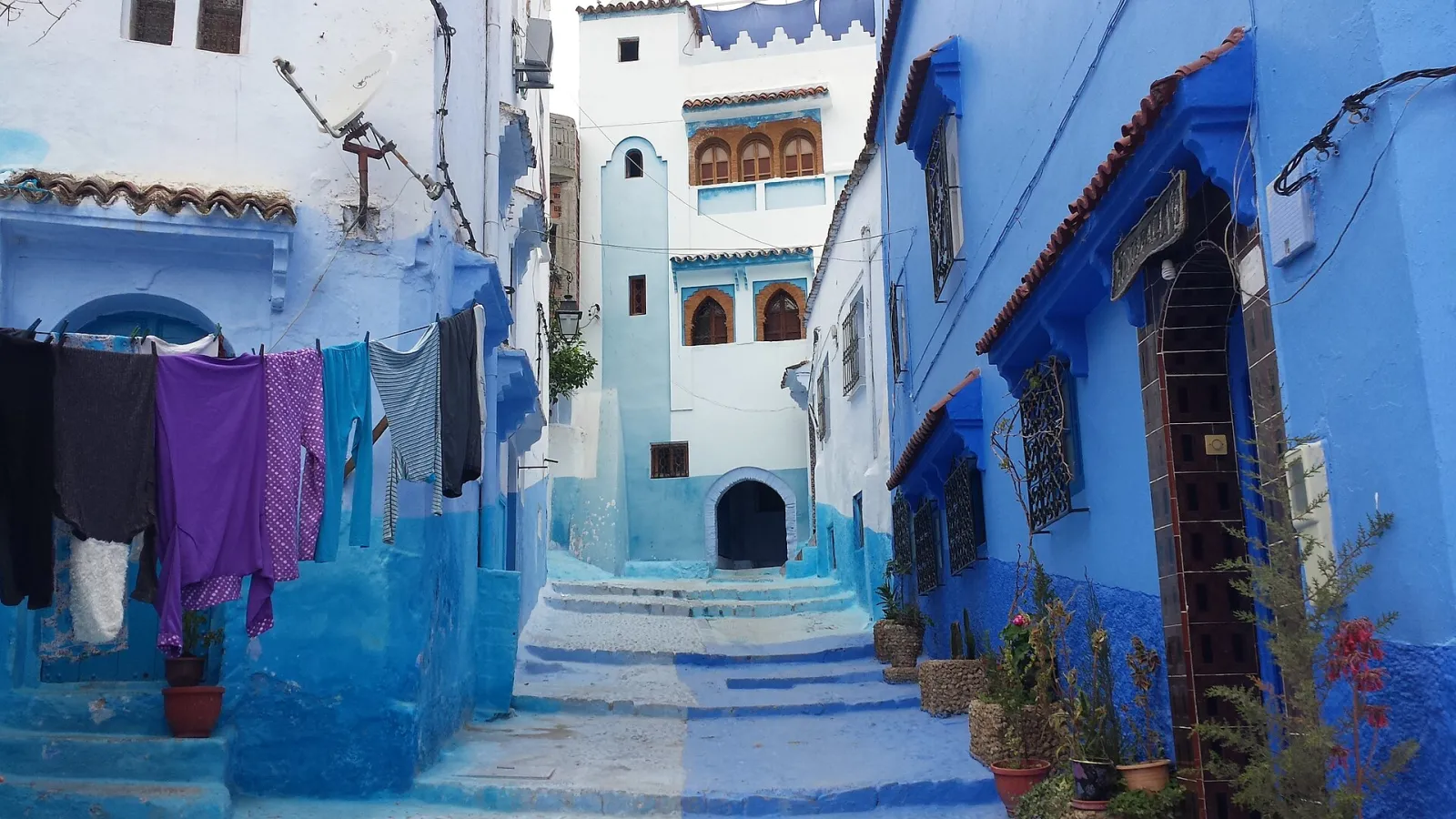
What do official travel advisories say?
To answer honestly whether Morocco is safe, the best compass remains the government travel advisories. These are continuously updated documents, based on diplomatic and security intelligence, with no commercial interest. The good news: the three main sources agree. None advises against travel to Morocco as a whole, and none targets the classic tourist destinations.
The US State Department places Morocco at “Level 2: Exercise Increased Caution” because of terrorism. It is worth putting that number in perspective: Level 2 is also assigned to France, Spain, Germany, the United Kingdom and Italy. It reflects a general posture of caution, not a specific and imminent danger. The UK’s FCDO, for its part, issues no advice against travel to the major cities and tourist sites, while noting that “terrorists are likely to try to carry out attacks in Morocco”. France Diplomatie sums up the situation this way: Morocco “remains a safe country under the control of the authorities”, but stays “exposed to the terrorist threat”.
| Official source | Position on travel | Flagged points of caution |
|---|---|---|
| France Diplomatie (France) | Travel possible; border areas advised against | Terrorism, bag-snatching, Mauritania/Algeria borders, far south |
| FCDO (United Kingdom) | No advice against tourist areas | Terrorism, street crime, card fraud, closed Algerian border |
| US State Department (United States) | Level 2 — increased caution | Terrorism (general posture, as in Europe) |
One simple reflex before any trip: check your country’s “travel advice” page and note the last update date. These documents evolve, particularly with the regional context. Also prepare your cover: read our guide on Morocco travel insurance to know which guarantees to check (repatriation, medical costs, cancellation).
Areas to avoid in Morocco: borders and the far south
Almost the entire Moroccan territory can be visited without restriction. The few areas advised against lie on the country’s edges, far from the usual tourist circuits. Knowing them avoids nasty surprises if you plan a road trip into the deep south.
The border with Mauritania
France Diplomatie is categorical: “any travel along the border with Mauritania is formally advised against”. The only authorised crossing point is the coastal road leading to Nouadhibou. Any attempt to cross off this axis exposes you to real danger (uncontrolled zones, no assistance nearby). If your itinerary heads down to Dakhla and on to Mauritania, stay strictly on the marked road.
The border with Algeria
The land and sea border between Morocco and Algeria has been closed for years. The FCDO is clear: “the authorities have closed land and sea borders between Morocco and Algeria” and “do not attempt to cross the border — it is illegal to cross without authorisation”. The areas concerned are patrolled and closely monitored. In practice, no tourism is possible in a strip along this border: stick to the classic inland itineraries.
The Moroccan far south
Morocco’s far south is crossed without difficulty on the paved coastal road (the Laayoune–Dakhla axis), used by many travellers every year. France Diplomatie specifies that “any route departing from the paved coastal road must be subject to prior agreement from the Royal Gendarmerie or the Royal Armed Forces”. The rule is simple: stay on the marked road, do not improvise off-road expeditions, and use an accredited guide for any desert excursion.
Petty crime and common scams in Morocco
This is where most of the risk for a tourist is concentrated: not serious crime, but petty theft and scams. Serious violence against foreigners remains rare. Pickpockets, bag-snatching and small hustles, however, are frequent in crowded tourist areas. Nothing insurmountable with a little common sense.
Bag-snatching and pickpockets
France Diplomatie reports that “bag-snatching is regularly reported” and that “increased vigilance is required in major cities such as Casablanca or Marrakech, where thieves on motorbikes ride on pavements to snatch handbags and mobile phones”. The FCDO goes further, mentioning cases of “knives used against tourists in street attacks” in major cities — rare but real. The defences are simple: carry your bag on the wall side, keep your phone out of sight near the road, and leave jewellery and large sums at the hotel.
Fake guides and touts
In the medinas of Fes and Marrakech, “fake guides” offer to show you the way, a workshop or a tannery, then demand a hefty tip or steer you toward shops that pay them commission. The practice is common but harmless. Decline politely but firmly, do not follow anyone who insists, and favour official accredited guides (professional licence) booked through your hotel or an agency.
Taxis: avoiding the “broken” meter
France Diplomatie recommends “preferably taking official taxis, which generally pose no security problems”. The most frequent scam remains the suddenly “broken” meter followed by an inflated price. Insist that the meter be switched on (small urban taxis) or negotiate the fare before getting in. At the airport, find out the indicative price for the trip to the city centre. For everything to do with payments and handling cash on the ground, see our guide on money in Morocco.
Souk scams and card fraud
Haggling is part of the game in the souks, but be wary of “friend prices”, henna applied without your consent, or products presented as “pure clay” or “authentic saffron” at fanciful prices. The FCDO also notes that “credit card fraud and scams are common”: keep an eye on your card during payments, favour bank ATMs and avoid letting it out of your sight.
| Scam / risk | Where | Recommended defence |
|---|---|---|
| Motorbike bag-snatching | Pavements, major cities | Bag on wall side, phone out of sight |
| Fake guide / tout | Medinas of Fes, Marrakech | Refuse, use official accredited guide |
| “Broken” taxi meter | Cities, airports | Insist on meter or agree price first |
| Inflated souk prices | Souks, tanneries | Haggle, compare, refuse without guilt |
| Bank card fraud | Shops, ATMs | Never lose sight of the card, bank ATMs |
Terrorism in Morocco: what level of risk?
This is the official reason behind the Level 2 rating, so it must be addressed without drama or denial. The FCDO judges that “terrorists are likely to try to carry out attacks in Morocco” and points to a threat linked to the number of Moroccans sympathetic to or belonging to Daesh, while stressing that “the authorities regularly disrupt terrorist cells”. That is reassuring: Moroccan services are reputed to be effective and very active in prevention.
In practice, attacks targeting tourists are rare in Morocco. As in any major destination, the potential targets cited are busy places: markets, shopping centres, transport, tourist sites. The conduct to adopt is the same as in Europe: stay aware of your surroundings, avoid suspicious gatherings and follow the instructions of local authorities. The risk level is no higher than in many European capitals.
Safety for women and solo female travellers
Morocco travels very well solo, including for women, as thousands of female travellers demonstrate each year. The main annoyance reported is not violence but street harassment: comments, persistence, approach attempts, especially in tourist areas. It is usually tiresome without being dangerous, and it is manageable.
- Wear rather covering clothing (shoulders and legs) outside beach areas: it is a sign of respect that reduces unwanted attention.
- Ignore comments without engaging in conversation; replying often fuels the persistence.
- Avoid deserted alleys and isolated night-time travel; favour official taxis in the evening.
- Wearing a ring (even a fake one) and mentioning a husband “waiting for you” can defuse some approaches.
- Trust your instinct: step into a café, a shop or a hotel if you feel uneasy.
The FCDO also reports cases of romance fraud (online relationships leading to requests for money) affecting foreign nationals: stay cautious with encounters that move quickly toward financial requests. None of this should deter a woman from discovering Morocco — millions do so serenely.
Health, traffic and natural risks
Road traffic: the real daily risk
Statistically, the road is more dangerous for a traveller than terrorism or crime. France Diplomatie highlights the dangerous nature of certain national roads (frequent violations, dense traffic, unpredictable two-wheelers). If you rent a car, drive carefully, avoid driving at night outside towns (pedestrians, carts, unlit vehicles) and scrupulously respect speed limits, as checks are numerous.
Water, sun and swimming
To avoid digestive troubles, favour sealed bottled water and be wary of ice cubes and poorly washed raw vegetables. The sun can be intense, especially in the south: hydration and protection are essential. As for the ocean, Atlantic currents are sometimes violent; France Diplomatie recalls the frequency of drownings. Swim in supervised areas and respect the flags. For prevention and recommended vaccines, see our dedicated guide on health and vaccines for Morocco.
Seismic risk
Morocco lies in a seismically active zone. A magnitude 6.8 earthquake struck the Al Haouz region (south of Marrakech) in September 2023. Such major events remain exceptional, but it is useful to know the basic instructions (shelter under solid furniture, move away from façades) if you stay in the Atlas. No tourist restriction stems from this today.
Safety in Morocco, city by city
The safety level varies little from one major city to another, but each destination has its particularities. Here are the concrete points of attention for the most visited places, so you know where to be extra vigilant and where to relax.
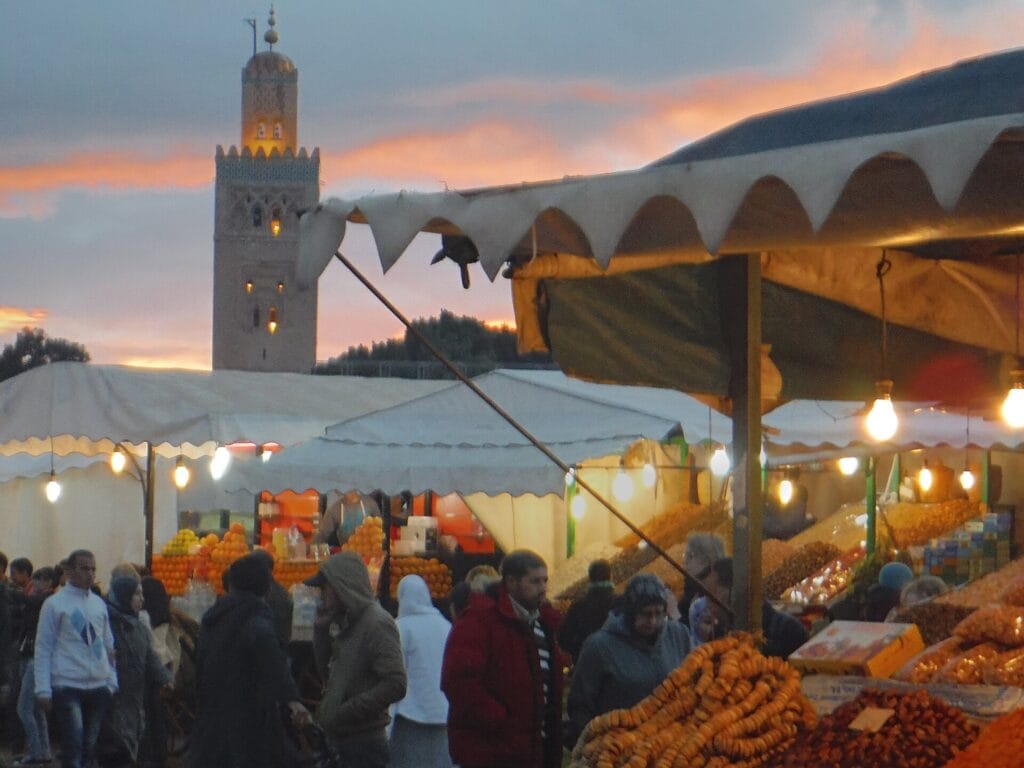
- Marrakech: Jemaa el-Fna square and the medina concentrate the tourist crowds, and therefore pickpockets and touts. Motorbike thefts reported. Very lively but broadly safe day and night in busy areas.
- Casablanca: a large economic metropolis where France Diplomatie notes motorbike bag-snatching. Stay alert in business districts and around the corniche in the evening.
- Fes: the world’s largest pedestrian medina; the main annoyance is harassment by fake guides. Follow an official guide so you don’t get lost in the maze.
- Tangier and the north: a dynamic port city, safe for visitors; simply avoid isolated port areas at night.
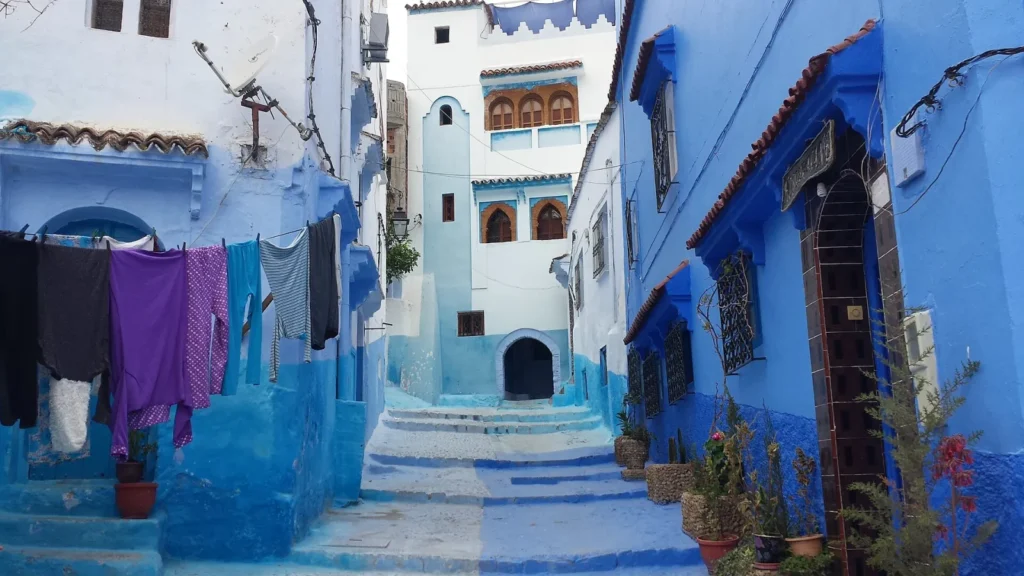
- Chefchaouen, Essaouira, Agadir: destinations known for being calm and relaxed, with very limited petty crime. Agadir, a seaside resort, calls for the usual caution on the beaches.
- Desert and Atlas: safe areas with a guide or agency; the real risk is on the roads (tracks, night driving) and natural (heat, sudden flash floods in the wadis).
Local laws and customs to respect
Part of your safety rests on respecting the Moroccan legal and cultural framework, sometimes far from European habits. Knowing these rules well avoids legal trouble and tension. Here are the essentials, as recalled by the official travel advisories.
- Drugs: possession of narcotics is illegal and severely punished; turn down any offer.
- Alcohol: its sale is regulated; it is consumed in licensed hotels, bars and restaurants, but public drunkenness is frowned upon and can cause problems.
- Privacy: public displays of affection are uncommon; discretion is appreciated by everyone.
- Ramadan: during the fasting month, avoid eating, drinking or smoking ostentatiously in public during the day, out of respect.
- Photos: always ask permission before photographing people; avoid military and sensitive sites.
- Dress: modest, covering clothing, especially in religious places and villages, is an appreciated sign of respect.
This information is subject to change; if in doubt about a legal point, check with your embassy or consult the official travel advisories before departure.
Emergency numbers in Morocco
Save these numbers in your phone before departure. In town, the police (190) respond; in rural areas, it is the Royal Gendarmerie (177). The number 112, the European emergency number, also works from a mobile in Morocco.
| Service | Number |
|---|---|
| Police (emergency, in town) | 190 |
| Royal Gendarmerie (rural areas) | 177 |
| Ambulance / Fire (Civil Protection) | 150 |
| Emergency from a mobile | 112 |
Also note the contact details of your embassy or consulate, along with the assistance number on your travel insurance policy. If you lose your passport, contact your diplomatic mission quickly. Make sure you enter the country in order: our article on Morocco visa and entry requirements details the conditions according to your nationality.
Frequently asked questions: is Morocco safe?
Is Morocco safe for tourists in 2026?
Yes. No major official travel-advisory service advises against visiting Morocco’s tourist destinations. The country is rated Level 2 by the United States, like most European countries. Vigilance mainly concerns petty crime and a few border areas.
Is Marrakech a safe city?
Marrakech is very busy and broadly safe, but it is also one of the cities where France Diplomatie reports motorbike bag-snatching. Stay alert with your bag and phone in the medina and around Jemaa el-Fna square, especially in the evening.
Can a woman travel alone in Morocco?
Yes, thousands of women do so every year. The main annoyance is street harassment, tiresome but rarely dangerous. Covering clothing, avoiding deserted alleys at night and using official taxis in the evening markedly reduce the discomfort.
Which areas should be avoided in Morocco?
The border with Mauritania (travel formally advised against off the coastal road to Nouadhibou), the southern Algerian border (closed) and unmarked routes in the far south, away from the paved coastal road. Major cities and tourist sites are not affected.
Is there a terrorism risk in Morocco?
A residual threat exists, as in many countries. Attacks targeting tourists are rare and Moroccan security services regularly disrupt cells. The risk level is comparable to that of major European capitals.
Is tap water safe to drink in Morocco?
As a precaution, favour sealed bottled water for drinking, especially early in your stay, to avoid digestive troubles. Also be wary of ice cubes of uncertain origin and poorly washed raw vegetables.
Do I need travel insurance for Morocco?
It is not mandatory to enter, but it is strongly recommended. Good insurance covers medical costs and above all repatriation, which can be very expensive. Check the ceilings and exclusions; this information is subject to change depending on the policy.
What number should I call in an emergency in Morocco?
Police 190, Royal Gendarmerie 177 (rural areas), Ambulance and Fire 150. The number 112 also works from a mobile phone. Keep your embassy and insurance numbers handy too.
In summary
So, is Morocco safe? Yes, for the vast majority of travellers. The three major official services agree: the country is safe for tourism, while calling for reasonable vigilance. The real risk is neither terrorism nor serious crime, but petty theft and scams in tourist areas — easily preventable nuisances. Avoid the sensitive border zones, keep an eye on your valuables, use official taxis, take out solid insurance and save the emergency numbers. With these common-sense reflexes, Morocco proves to be a welcoming, hospitable and broadly peaceful destination. This information is subject to change: always check the official travel advisories before departure.
Official sources
- UK FCDO — Morocco travel advice (GOV.UK)
- U.S. Department of State — Morocco Travel Advisory
- France Diplomatie — Morocco, security
- U.S. Embassy in Morocco — Alerts
Photo credit
Illustrations : « Chefchaouen (Blue City) » — Allenfleming (CC BY-SA 4.0) ; « Mohammed V International Airport – Terminal 1 » — Hamza Izourane (CC BY-SA 4.0), via Wikimedia Commons.