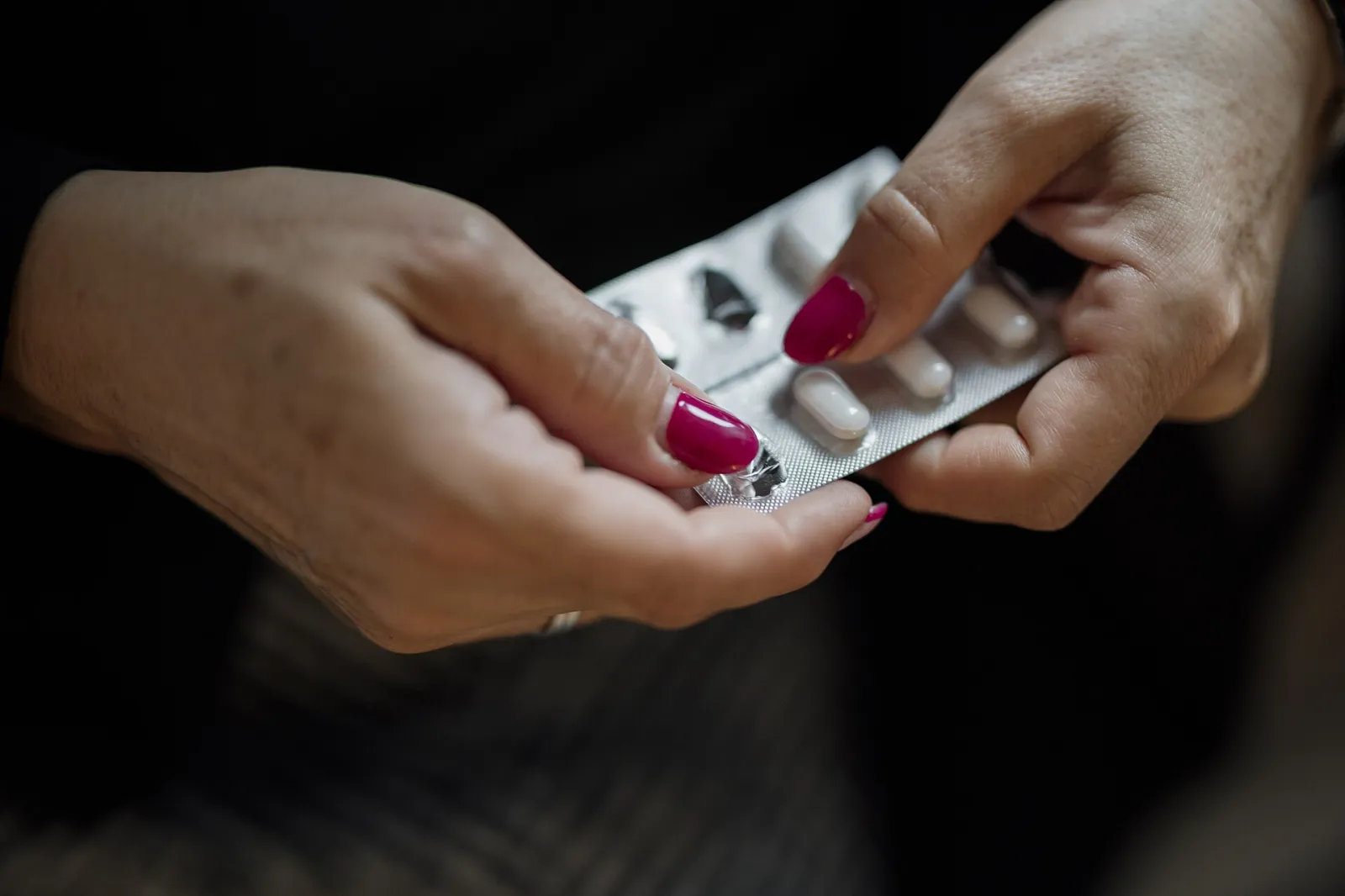
Traveling with your own medication in Morocco is entirely possible, as long as you follow a few common-sense rules and the country’s customs and health regulations. Whether you are heading to Marrakech for a holiday, visiting family in Casablanca, or staying for an extended period, you are allowed to bring the treatments you need for your personal use. Problems almost never arise with routine treatments : they mainly concern excessive quantities, medicines containing psychotropic or narcotic substances, and the lack of a prescription. This article explains, factually, what you can carry, the documents to prepare, the special case of controlled substances, carrying medicines in your cabin bag, the availability of pharmacies, and basic health advice for a smooth trip.
Important disclaimer : health is a sensitive subject, and both customs and health rules change over time. The information below is general guidance and in no way replaces the advice of your doctor or pharmacist, nor the official instructions of the Moroccan Customs Administration (ADII), the Moroccan Ministry of Health, or the Moroccan embassy/consulate. For any specific treatment — especially psychotropics and narcotics — check these sources before you leave.
In short
- You may bring your medication into Morocco for personal use, in a reasonable quantity matching the length of your stay.
- Keep medicines in their original packaging with the leaflet, and carry the original prescription (ideally translated into French or English).
- Psychotropic and narcotic substances (some opioids, benzodiazepines, codeine derivatives, etc.) are subject to enhanced control and may require a secure prescription and/or prior authorization.
- Customs may ask you to sign an undertaking of personal use and re-export of any unused quantity.
- Carry your essential treatments in your cabin bag, in labeled packaging, with the supporting documents.
- Pharmacies are plentiful in Moroccan cities ; an on-duty pharmacy system provides overnight and public-holiday coverage.
- No vaccination is mandatory for most travelers (except yellow fever if you arrive from an affected area) ; some vaccines are, however, recommended.
- When in doubt, check with the ADII, the Moroccan Ministry of Health and the embassy/consulate, and talk to your doctor.
Traveling with your medication in Morocco : the principle
The starting point is reassuring : bringing medication into Morocco to treat yourself during your stay is permitted. The regulations aim to prevent commercial imports or trafficking, not to deprive travelers of their treatment. In practice, a tourist or a member of the diaspora carrying personal boxes in quantities consistent with the length of the trip clears customs without trouble in the vast majority of cases.
Personal use and customs exemption
The Customs and Indirect Taxes Administration (ADII) tolerates bringing in medicines intended strictly for personal use. This facility is not automatic, however : it assumes the traveler can present, on request, the medical documents relating to the products carried (prescription, medical certificate or equivalent). The aim is to demonstrate that the medicines are for your own needs and not for resale.
According to information published by Moroccan customs, the traveler may also be asked to sign an “undertaking” : a document by which they commit to using the medicines only for personal needs and to re-export the unused quantity at the end of the stay. The template for this undertaking is provided by customs at the point of entry and appears on the ADII portal. Remember the principle : transparency and supporting documents always make the crossing easier.
A reasonable quantity for the length of your stay
The golden rule is proportionality. Bring the quantity that matches your stay, plus a small safety margin (a few days) to cover a flight delay or an unexpected extension. A supply covering roughly one to three months of treatment is generally considered consistent with personal use. Conversely, carrying dozens of boxes of the same medicine logically draws attention and may be interpreted as a non-personal import.
Note : these figures are indicative and do not amount to a universal official rule. For heavy or long-term treatments, base your stock on your doctor’s prescription and keep the prescription that justifies the duration. For a large quantity, it is wise to declare it voluntarily on arrival. To learn more about your import rights, see our guide on customs in Morocco.
The documents to prepare before departure
Preparing your paperwork is the best way to avoid unpleasant surprises. A clear file beats a long explanation at the customs counter. Here are the items to gather.
The original prescription and its translation
Keep the original of your prescription on you, up to date and legible. It should ideally state the name of the medicine (the molecule name, or international nonproprietary name, is useful because brand names vary from country to country), the dosage and the duration of treatment. Where possible, add a French or English translation : French is widely understood by Moroccan officials and pharmacists, which simplifies any exchange.
The medical certificate and the customs undertaking
For sensitive treatments, a medical certificate (or a letter from your doctor) strengthens your file. It states the patient’s identity, the nature of the condition or treatment, the dosage and the duration. This document is particularly useful for injectable medicines, medical devices (insulin pens, syringes) and any substance that may be controlled. Finally, if customs asks, be ready to sign the undertaking of personal use and re-export mentioned above.
| Document | What it is for | Recommended for |
|---|---|---|
| Original prescription | Prove the treatment is prescribed to you | All prescription medicines |
| Translation (FR/EN) | Help customs and pharmacists read it | Prescriptions in another language |
| Medical certificate | Detail condition, dosage, duration | Sensitive treatments, injectables, devices |
| Leaflet / original box | Identify the molecule and the dosage | All medicines |
| Customs undertaking | Attest personal use and re-export | On customs request, notable quantities |
Psychotropic and narcotic medicines : enhanced control
This is the most sensitive part of traveling with medication in Morocco. Substances classified as narcotics or psychotropics are governed by international conventions and by Moroccan law. A medicine that is perfectly legal and common in your country may be subject to strict conditions on entry into Morocco, or even require prior authorization. Never take this lightly : the absence of documentation for a controlled substance can lead to seizure of the product, delays, or even prosecution.
Which substances are concerned?
Without drawing up an exhaustive list (which is a matter for the authorities), certain families recur in control regimes : opioid analgesics (morphine, oxycodone, methadone, as well as painkillers containing codeine or tramadol), many benzodiazepines and related drugs (for example treatments for anxiety or insomnia), certain attention-deficit medicines (based on methylphenidate or amphetamines), and various psychotropics. The exact classification depends on the substance, the dosage and the regulations in force.
Secure prescription, declaration and authorization
For these medicines, several precautions apply. First, travel with a recent prescription — preferably a secure prescription if your country issues one for these substances — and a detailed medical certificate. Then, declare these products to customs voluntarily on arrival rather than risking a random check. Finally, for certain substances, prior authorization from the Moroccan authorities (Ministry of Health) may be required ; the procedures and timelines vary, which is why it is important to plan ahead.
Our recommendation is clear : if your treatment includes a potentially controlled substance, contact the Moroccan embassy or consulate, as well as the Ministry of Health, several weeks before departure. The International Narcotics Control Board (INCB) also publishes country-by-country information sheets for travelers, useful for knowing the documentation requirements.
| Category | Example families | Recommended precaution |
|---|---|---|
| Opioid painkillers | Morphine, oxycodone, codeine, tramadol | Prescription + certificate ; declare ; check authorization |
| Anxiolytics / hypnotics | Benzodiazepines and related drugs | Recent prescription ; quantity limited to the stay |
| ADHD | Methylphenidate, amphetamines | Detailed certificate ; check before departure |
| Common medicines | Antibiotics, antihypertensives, oral antidiabetics | Prescription advised ; original box |
Carrying your medication in your cabin bag
For any essential treatment, the rule is simple : keep it with you, in the cabin. Checked baggage can be delayed, lost or exposed to temperature swings that damage certain medicines. In the cabin, your treatment stays accessible during the flight and on arrival.
Good practices in the cabin
Keep medicines in their labeled original packaging, with the leaflet, and slip the prescription and certificate into the same compartment. Plan for an extra dose for the travel day. If you must follow precise dosing times, account for the time difference (small with Morocco from Europe, but real from North America). For the general rules on hand luggage and liquids, see our dedicated page on carry-on baggage in Morocco.
Liquids, injectables and medical devices
Liquid medicines needed during the flight generally benefit from an exemption to the usual limits on cabin liquids, subject to presenting a supporting document and a security check. The same applies to devices such as insulin pens, syringes, pumps or a glucose meter. Flag them at the security checkpoint and keep the medical certificate within reach. If you are unsure about a specific airline, check its conditions before departure.
Pharmacies and availability of medication in Morocco
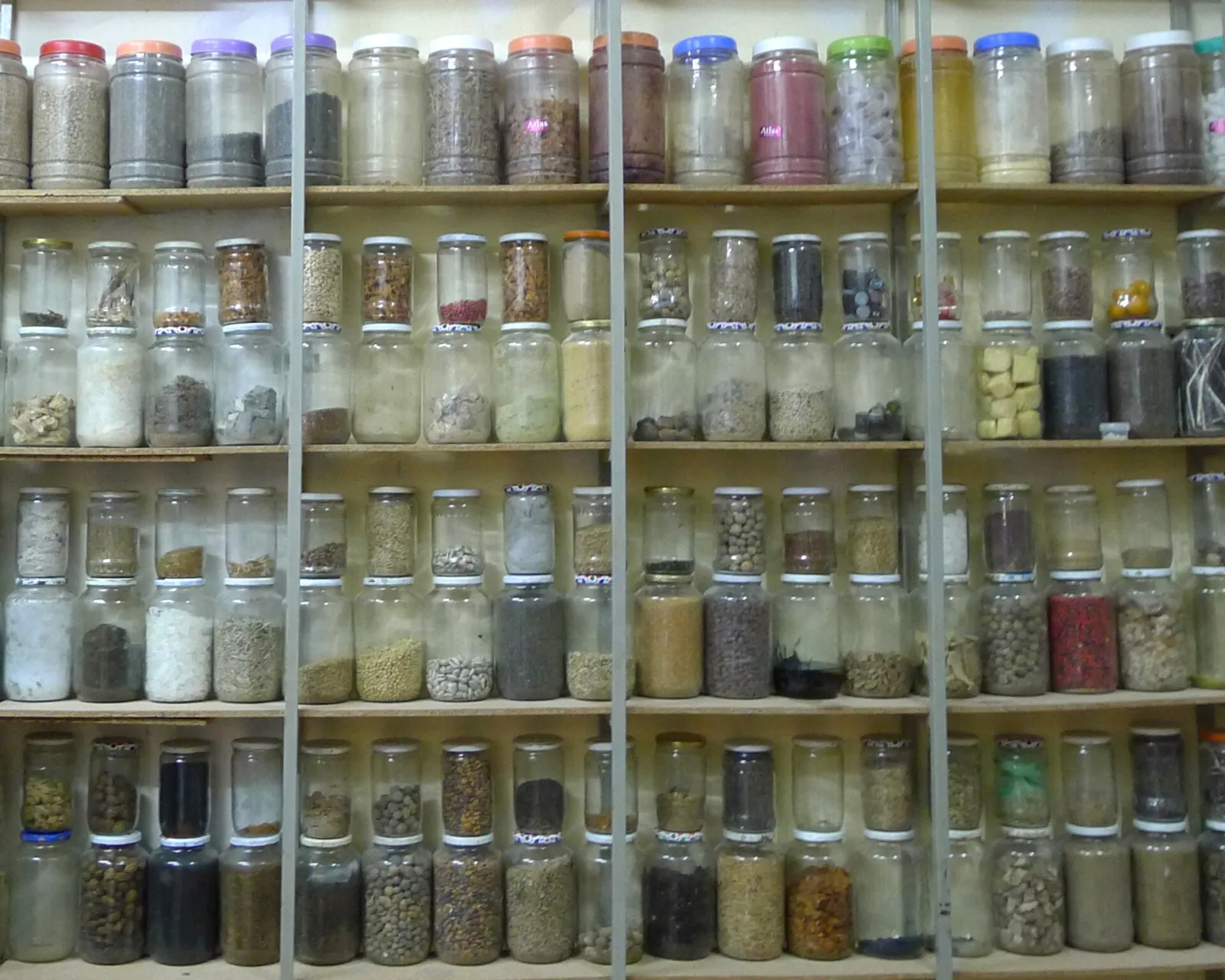
Good news for travelers : Morocco’s pharmacy network is dense, especially in cities and tourist areas. If you forget something or have a one-off need, finding a pharmacy is rarely a problem.
A dense network and on-duty pharmacies
Pharmacies are easy to spot (green cross) and present in most neighborhoods. An on-duty pharmacy system provides overnight, weekend and public-holiday coverage ; the details of the on-duty pharmacy are usually posted on shop fronts or available locally. Pharmacists are valuable contacts and often speak French.
Equivalents and prescription medicines
Many common medicines (painkillers, antipyretics, traveler’s diarrhea treatments, antihistamines) are available, sometimes under different brand names. For a chronic treatment, do not rely on an automatic equivalent : bring your own stock. Prescription medicines require a prescription, and controlled substances remain subject to strict dispensing rules. Have the international name of your molecules handy to make it easier to find a local equivalent if needed.
Traveler’s health : vaccines and basic advice
Beyond your personal medication, a few preventive measures make the trip safer. Nothing alarming : Morocco is a major tourist destination, but a little anticipation avoids the most common inconveniences.
Recommended vaccines
No vaccination is mandatory for most travelers to Morocco. Only the yellow fever vaccine may be required, and only if you arrive from a country where the disease circulates. Beyond that specific requirement, health authorities generally recommend being up to date with universal vaccinations (notably diphtheria-tetanus-polio, measles-mumps-rubella, whooping cough) and, depending on the type of trip, vaccination against hepatitis A and typhoid (transmitted through water and food). Hepatitis B and rabies may be considered for some trips. Ask your doctor or an international vaccination center for personalized advice, ideally several weeks before departure.
Water, food and preventing traveler’s diarrhea
Traveler’s diarrhea is the most common minor health issue. To limit it : favor sealed bottled or purified water, avoid ice cubes of uncertain origin, wash or peel fruits and vegetables, and prefer food that is well cooked and served hot. Good hand hygiene (alcohol-based gel) clearly reduces the risk. In hot weather, remember to stay hydrated and protect yourself from the sun. These simple tips cover the essentials for a standard stay.
Building your travel kit
A small, well-thought-out kit avoids a lot of trouble. Adapt it to your destination (city, mountains, desert) and the length of your stay. Here is a reasonable base, to complete according to your needs and your pharmacist’s advice.
- Your usual treatments in sufficient quantity, with prescription and certificate where applicable.
- A basic painkiller / antipyretic (such as paracetamol) as advised by your pharmacist.
- Traveler’s diarrhea treatment and oral rehydration solution.
- Antihistamine, plasters, disinfectant, compresses, and a small dressing for minor wounds.
- Sun protection (high factor), after-sun and mosquito repellent.
- Hand sanitizer, thermometer, and possibly an anti-nausea remedy for the road.
- Copies (paper and digital) of your prescriptions and your insurance/assistance certificate.
Also consider taking out travel insurance covering medical costs and repatriation, and prepare your arrival : our guides on airport transfers in Morocco and on the visa and entry requirements for Morocco will help you organize everything with peace of mind.
Special cases and unexpected situations
Some traveler profiles and some situations deserve extra attention. Anticipating these cases avoids stress and lets you react effectively if something unexpected happens once you are there.
Children, pregnant women and seniors
For a child, bring their usual treatments with the pediatrician’s prescription, respecting the dosages adapted to their weight, and pack something to relieve fever and dehydration. For a pregnant woman, ask your doctor’s advice before departure : some medicines and some vaccines require special precautions during pregnancy. Older or multi-medicated people should prepare a written list of all their treatments (molecule names, dosages, timing) and bring a comfortable reserve. In all cases, the original box and the prescription remain the best protection in the event of a check or a medical consultation on site.
Loss, theft or running out of treatment on site
If you lose your medication or run short, several solutions exist. First go to a pharmacy : for many common treatments the pharmacist can guide you, and a local medical consultation lets you obtain a prescription valid in Morocco. This is where the digital copy of your prescription and the international name of your molecules become truly valuable, because they make it easier to identify an equivalent. For a vital treatment (insulin, anticoagulant, cardiac treatment), see a doctor or an emergency service without delay. Always keep your travel insurance or assistance contact details, which can arrange coverage and, if necessary, the supply of the medicine. Finally, keep a small reserve of your essential treatments separate from the rest of your luggage.
Frequently asked questions
Can I bring my medication into Morocco without a prescription?
For common medicines in small quantities, a check is unlikely, but a prescription is still strongly advised. It proves personal use and becomes essential for prescription treatments and, all the more so, for controlled substances. Always travel with your medicines in their original packaging.
How much medication can I bring?
The rule is proportionality : the quantity should match the length of your stay, plus a small margin. A supply of one to three months of treatment is generally accepted for personal use. These figures are indicative ; for long treatments, rely on your prescription and declare any large quantity on arrival.
Are sleeping pills and anxiolytics allowed?
Many of these medicines (benzodiazepines and related drugs) are psychotropic substances subject to enhanced control. Travel with a recent prescription, limit the quantity to your stay, and check before departure whether a declaration or authorization is required. When in doubt, contact the Moroccan embassy/consulate.
How do I carry insulin and diabetes supplies?
In your cabin bag, in an insulated pouch, with the prescription and a medical certificate listing the devices (pens, syringes, meter, pump). Flag them at the security check. Plan for more than you need and, if possible, split part of it into a second piece of hand luggage, just in case.
Is it easy to find a pharmacy in Morocco?
Yes, especially in cities and tourist areas. Pharmacies are numerous, and an on-duty system covers nights and public holidays. Many common medicines are available, sometimes under other names ; have the international name of your molecules to make it easier to find an equivalent.
Can I drink tap water?
As a precaution, favor sealed bottled or purified water, especially outside major cities, and avoid ice cubes of uncertain origin. This simple habit greatly reduces the risk of traveler’s diarrhea, the most common health inconvenience.
Are vaccinations mandatory for Morocco?
For most travelers, no. Only yellow fever may be required if you arrive from a country where it circulates. It is nonetheless recommended to be up to date with universal vaccinations and to consider, depending on the trip, hepatitis A and typhoid. Ask for personalized medical advice.
What should I do if I am unsure about a specific treatment?
Consult your doctor, then contact the Moroccan embassy or consulate and, if needed, the Ministry of Health, several weeks before departure. Also check the traveler information sheets from the INCB. It is better to anticipate a possible authorization than to be blocked on arrival.
In summary
Traveling with your medication in Morocco is mostly a matter of preparation. Bring a quantity proportionate to your stay, in the original boxes, with the prescription (translated if possible) and, for sensitive treatments, a medical certificate. Keep the essentials in the cabin. Handle psychotropic and narcotic substances separately : enhanced control, secure prescription, declaration and possible prior authorization. On site, the pharmacy network is dense and well organized. Finally, update your useful vaccinations and adopt simple preventive habits (bottled water, hand hygiene). When in doubt, the right reflex is always the same : ask your doctor and check with the official Moroccan sources. These rules and figures may change ; confirm them before every trip.
Official sources
- Moroccan Customs and Indirect Taxes Administration (ADII)
- Moroccan Ministry of Health and Social Protection
- INCB — Information for travelers (controlled substances)
- World Health Organization (WHO) — Travel and health
- ANSM — Traveling with my medicines
Photo credit
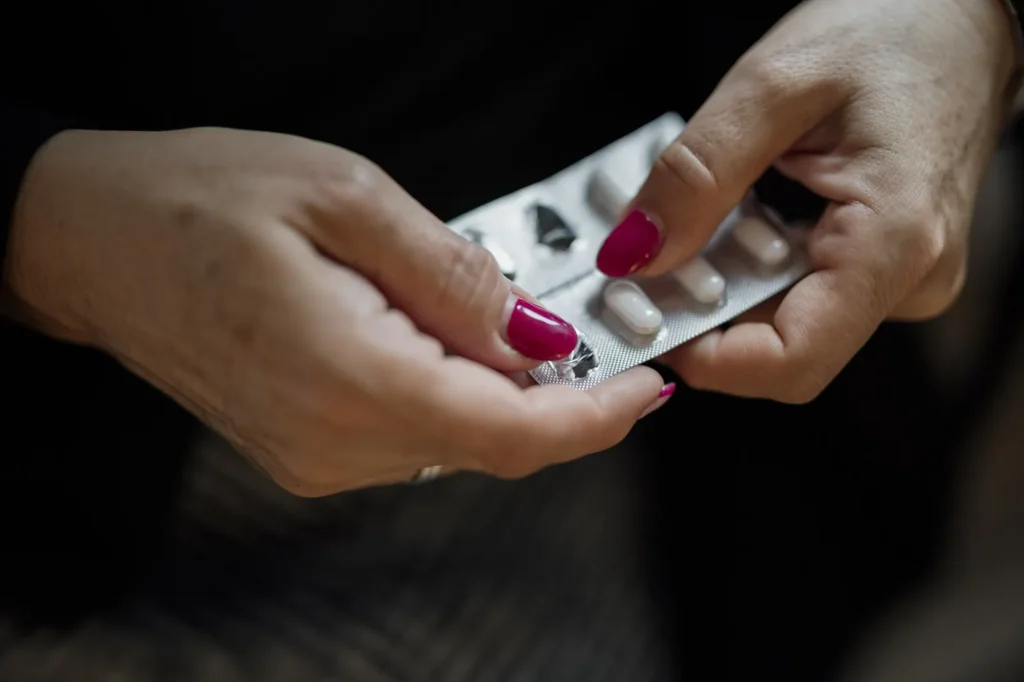
Illustrations : « Hands holding a pack of pills » — Shixart1985 (CC BY 2.0) ; « Tinghir Pharmacy, Morocco » — Bernhard Holub (CC BY-SA 4.0), via Wikimedia Commons.