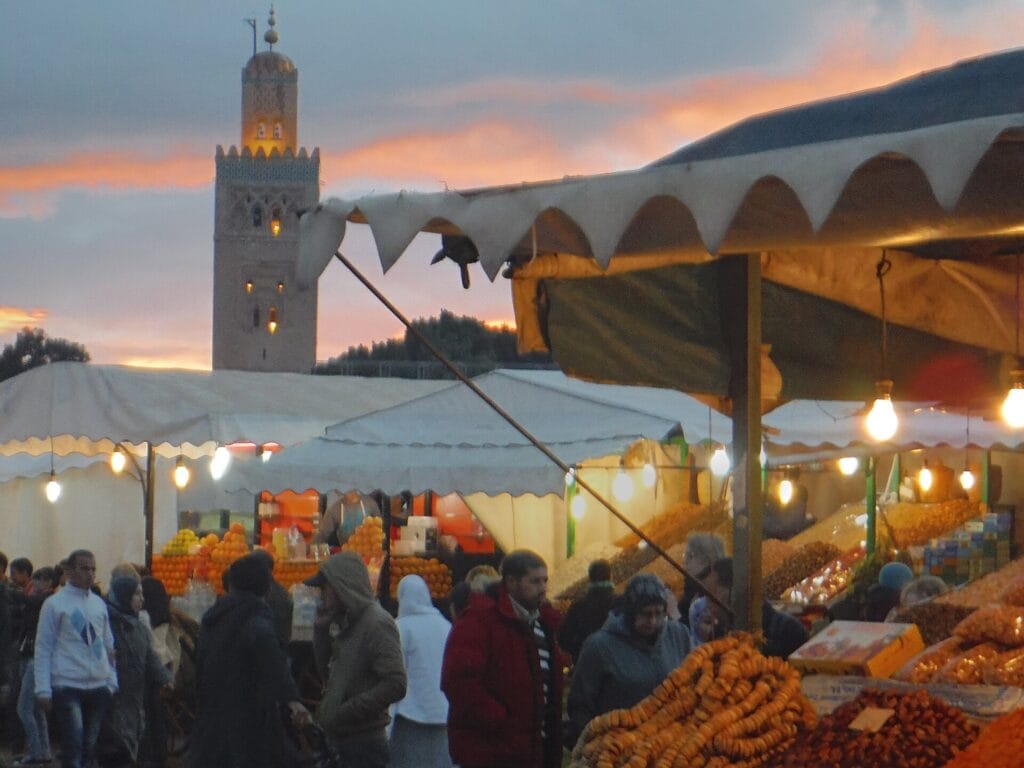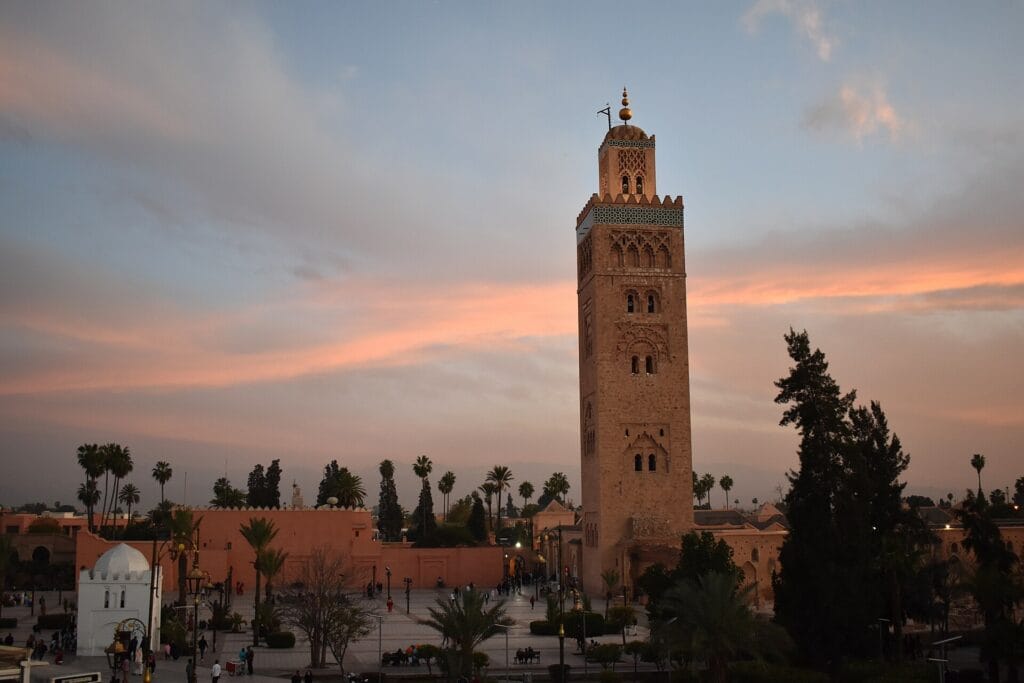
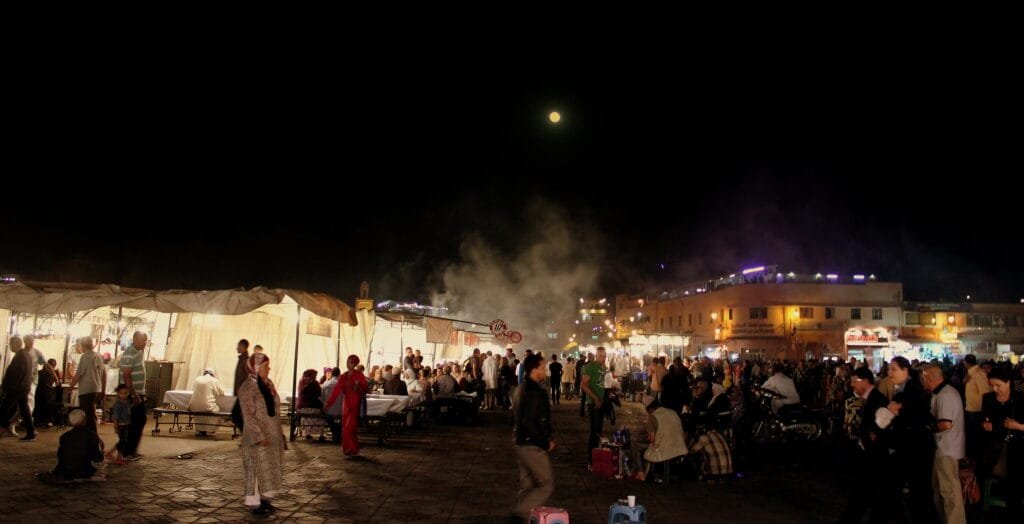
Marrakech is never quite the same from one season to the next, but no time of year transforms the city as deeply as the month of Ramadan. For those four weeks, the medina slows down by day, holds its breath as sunset approaches, then bursts back into life once night falls. Many travellers wonder whether it makes sense to come at this time: the short answer is yes, you can absolutely visit Marrakech during Ramadan, and it is in fact one of the most authentic and memorable experiences the city has to offer, provided you understand what changes and adopt the right attitude.
Ramadan is not a constraint for the visitor: it is an invitation to discover a more intimate, more spiritual and more festive side of Marrakech. You simply need to adapt to a different rhythm, show discretion and respect during the day, and let yourself be carried along by the electric atmosphere of the evenings after the fast is broken. This guide explains in detail what to expect, how to behave, what you can do by day and by night, and how to make the most of this unique period while respecting local culture.
In brief: the essentials on Marrakech during Ramadan
- Can you visit? Yes, without any problem. Monuments, hotels, riads and many tourist restaurants stay open.
- When? Ramadan is a lunar month: its dates move back by about 11 days each year. In 2026 it should begin around 19 February; in 2027, around 8 February.
- By day: a quieter city, some shops on reduced hours, a contemplative mood.
- In the evening: after the ftour (breaking of the fast at sunset), the city comes alive until late into the night.
- Expected behaviour: out of respect, avoid eating, drinking or smoking openly in the street during the day, and dress modestly.
- Budget: often gentler rates on accommodation, though some tourist services run at a slower pace.
What is Ramadan? A brief, respectful explanation
Ramadan is the ninth month of the Muslim calendar and one of the pillars of Islam. During this month, practising Muslims observe the fast (sawm) from dawn to sunset: they abstain from eating, drinking, smoking and certain behaviours throughout the daylight hours. It is a time of spirituality, introspection, generosity and strengthening of family and community bonds. Far from being mere deprivation, fasting is experienced as a purification and an exercise in patience, gratitude and solidarity with the most disadvantaged.
In Morocco, a country where Islam is the state religion and where the vast majority of the population fasts, Ramadan shapes the whole of social life. The day is devoted to work, prayer and rest; life truly shifts at sunset, with the breaking of the fast known as ftour (or iftar). Understanding this logic hugely helps the traveller decode the city’s rhythm and blend into it tactfully. If you would like to learn more about the origin and meaning of this sacred month, the Ramadan article on Wikipedia offers a clear and well-documented overview.
One important point: as a non-Muslim visitor, you are of course not required to fast. No one expects it of you, and no one will judge you for eating or drinking. What matters is discretion: consuming out of sight during the day, out of consideration for those around you who have abstained from everything since dawn. This simple courtesy is greatly appreciated and is enough to make your stay serene.
When does Ramadan take place? Dates that change every year
This is the point that confuses travellers the most: Ramadan has no fixed date in our calendar. It follows the Islamic lunar calendar, whose year counts about 354 days, roughly ten days fewer than the solar year. As a result, Ramadan moves back by about 11 days each year compared with the Gregorian calendar. Over a few years, it thus “travels” through every season, from the heart of winter to high summer.
As a guide, and subject to the official sighting of the crescent moon (the famous “night of doubt”), Ramadan is expected to begin in Morocco around 19 February 2026 and end around 19 March, with Eid al-Fitr expected on 20 March. For 2027, the start is anticipated around 8 February, ending around 9 March. These dates remain estimates: in Morocco, the start and end of the month are officially confirmed by the Ministry of Endowments and Islamic Affairs, usually the previous evening, depending on the moon’s visibility. So expect a possible one-day shift.
Why is it useful to know this before booking? Because a Ramadan in February–March means short days (a lighter fast, a less taxing atmosphere, mild temperatures in Marrakech), whereas a summer Ramadan involves long, hot days that are more demanding for those who fast, and therefore a city that is even sleepier in the afternoon. If you are unsure about the ideal time for your trip, our guide on the best time to visit Marrakech will help you weigh the tourist season against the religious calendar.
How the city changes: Marrakech by day and by night
The great distinctive feature of Marrakech during Ramadan is this two-part rhythm, almost a mirror image of itself. Understanding this switch is the key to organising your days.
By day: a city running slow
In the morning, the medina wakes gently. The souks open, but often later and with less energy than usual. In the afternoon, particularly in the two or three hours before sunset, an unusual calm settles in: the tiredness of the fast is felt, many shopkeepers doze behind their stalls, and the pace of business eases. Café terraces, usually packed, are closed or deserted during the day. This peaceful, almost suspended atmosphere has its charm: the light is beautiful, the tourist crowds thinner, and you discover a more intimate Marrakech.
Dusk: the race against time
In the hour before ftour, the city empties in spectacular fashion. The streets, including the famous Jemaa el-Fna square, can find themselves almost deserted: everyone heads home or joins their table to break the fast with family. Taxis become scarce and traffic turns edgy. It is a fascinating moment to observe, but a poor one for trying to get around or eat outdoors. If you hear the call of the muezzin or a siren (or even a cannon shot in some cities), that is the signal: the fast is broken.
By night: Marrakech in celebration
Once ftour is over, the transformation is total. The city is reborn: the streets fill up, shops reopen, families come out, children play late, and the mood is warm and good-natured until the middle of the night. This is the best time to wander the souks, enjoy the pastries, sit down and feel the pulse of the city. Many consider that the real magic of Ramadan in Marrakech is experienced after nightfall, in that convivial buzz that exists at no other time of the year.
Can you eat and drink during the day in Marrakech?
This is the question that worries travellers most, and the good news is reassuring: yes, you can eat and drink during the day, but under certain conditions and with discretion. Marrakech, a deeply tourist-oriented city, organises itself to welcome visitors even in the middle of Ramadan.
- Your riad or hotel: breakfast and lunch are served as normal. It is the simplest and most comfortable place to eat during the day.
- Tourist restaurants: some establishments geared towards foreign visitors, particularly around Jemaa el-Fna, in the Hivernage district or in the new town (Guéliz), stay open during the day. Their number is nonetheless reduced compared with the rest of the year.
- Popular cafés and terraces: most are closed during the day and only reopen after ftour.
- Alcohol: sales are heavily restricted during Ramadan. Some hotel bars and upmarket restaurants continue to serve it to their foreign clientele, but availability drops sharply. Discretion is essential.
The golden rule: avoid eating, drinking or smoking openly in the street in the middle of the day. Carrying a discreet water bottle and taking a sip off to one side, in a quiet corner, is no problem at all. On the other hand, strolling through the souk with a sandwich in hand or smoking a cigarette on a terrace at midday would be seen as a lack of tact towards those who have been fasting since dawn. To find good addresses that are open, our guide on where to eat in Marrakech remains a useful starting point, bearing in mind that opening hours are disrupted during the month.
The ftour: the high point of the day
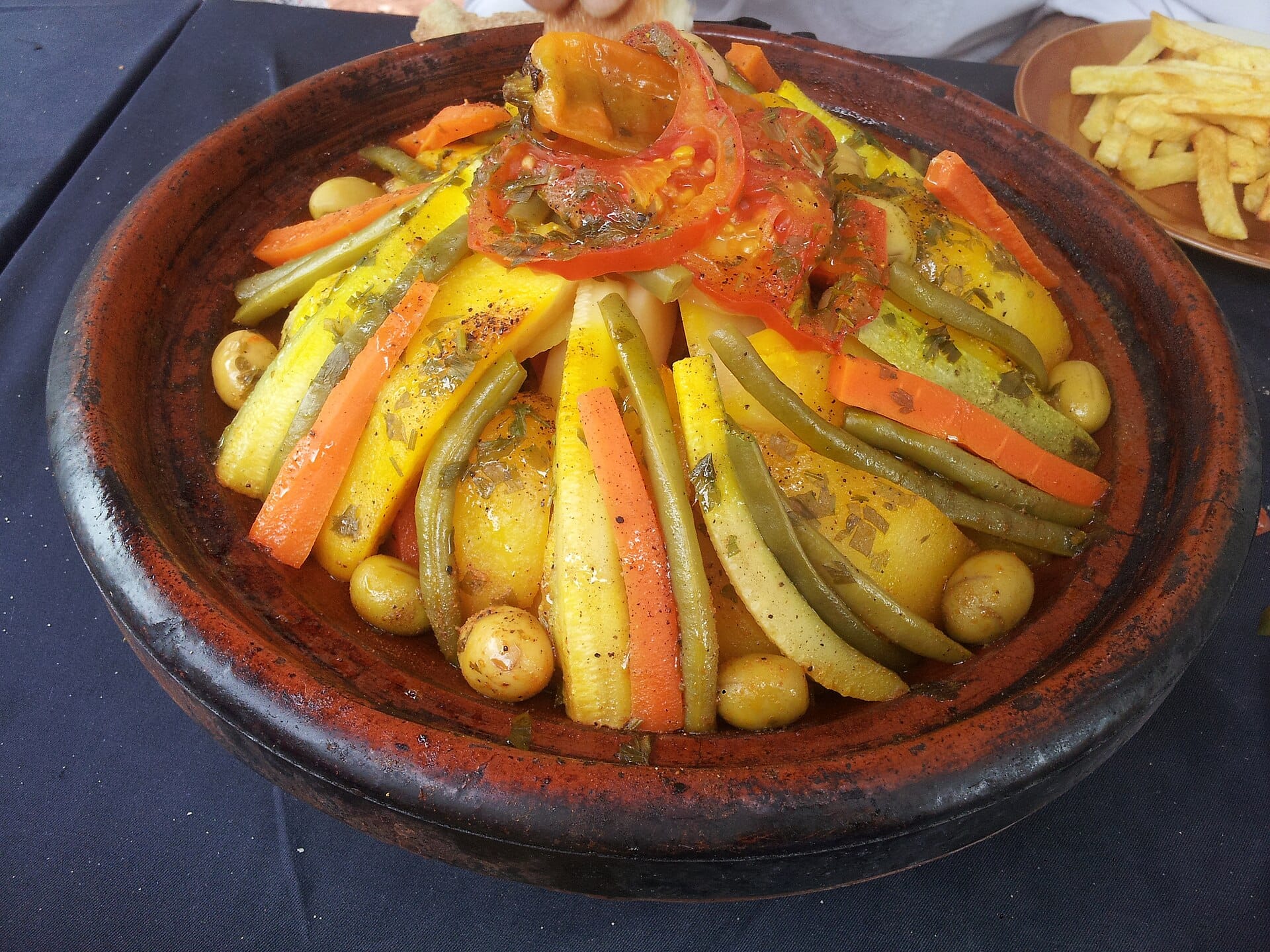
The ftour (the breaking of the fast, called iftar elsewhere in the Arab world) is the beating heart of Ramadan. At sunset, in a contemplative silence followed by palpable joy, each family gathers around a generous table. It is a ritual meal, laden with symbolism, that traditionally begins with a few dates and a glass of milk, following the tradition of the Prophet.
The Moroccan ftour table is a genuine feast of flavours. It almost always features harira, that smooth soup based on tomatoes, pulses and spices, emblematic of Ramadan. Alongside it are lined up chebakia (flower-shaped pastries with honey and sesame seeds), msemen and baghrir (flaky flatbreads and “thousand-hole” pancakes), hard-boiled eggs, dates, fresh fruit juices, and often a pastry or a more substantial dish that follows a little later in the evening.
For the traveller, experiencing a ftour is an unforgettable experience. Many riads and restaurants offer a special ftour menu, often at a fixed price (typically expect around 150 to 350 MAD per person, roughly 14 to 32 €, depending on the standard, as an indicative figure). Some families or guesthouses also offer the chance to share this moment with them: this is probably the finest way to understand the spirit of Ramadan, in the warmth of sincere sharing. Book ahead, as the best places fill up quickly.
What to do in Marrakech during Ramadan, by day and by night
Contrary to a common misconception, there is a great deal to do during this period. You simply need to adapt your programme to the city’s rhythm: cultural visits in the morning, a break in the afternoon, and festive exploration in the evening.
By day: sightseeing and discoveries in calm
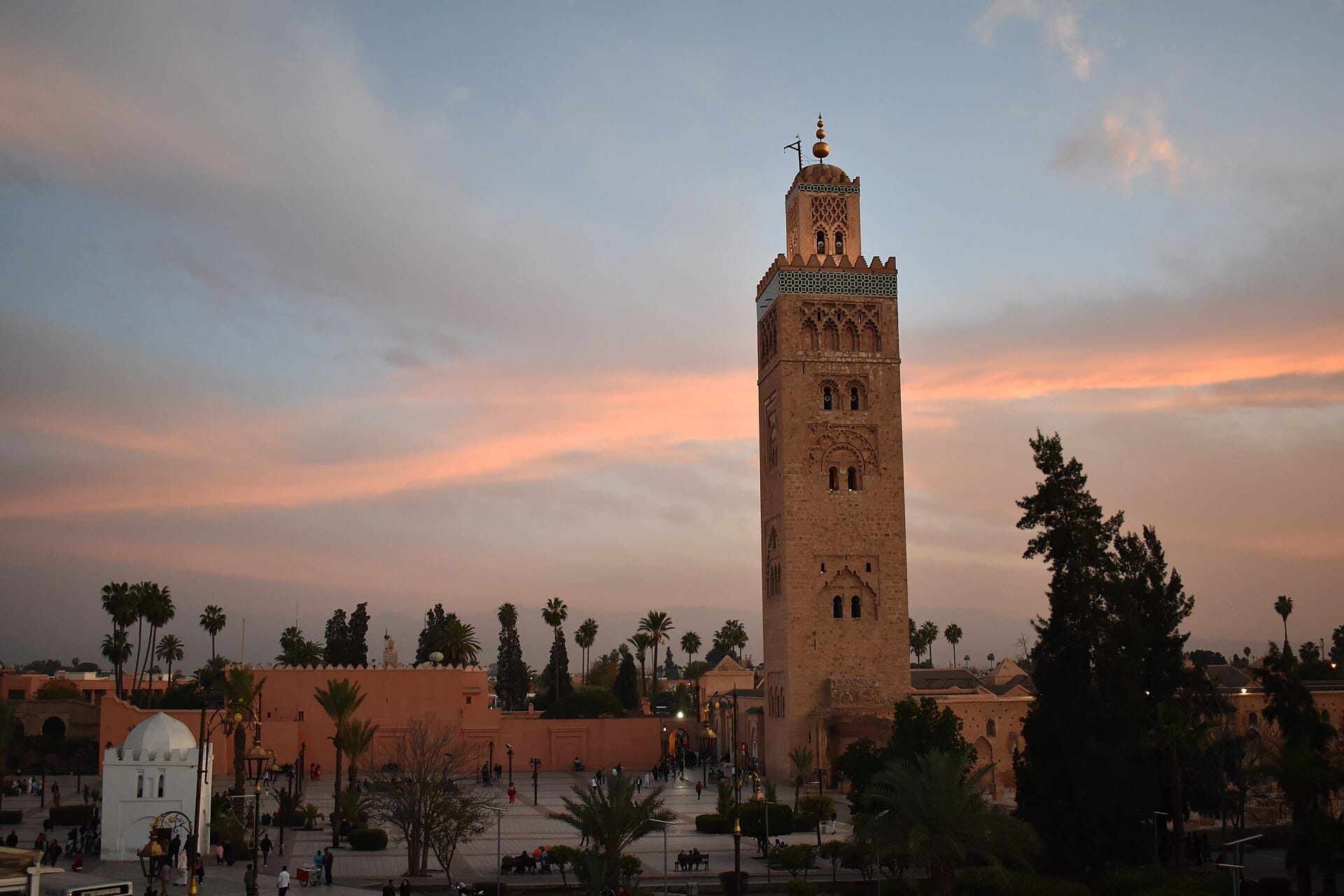
Mornings are ideal for the major sites: the Bahia Palace, the Saadian Tombs, the Majorelle Garden, the Yves Saint Laurent Museum or the Menara Gardens. The monuments welcome fewer people than in the classic high season, which makes visits more pleasant. It is also a good time to explore the souks before the afternoon torpor, or to enjoy the serenity of your riad and a hammam. To build a full programme, rely on our complete guide to what to do in Marrakech and, if your stay is short, on our 3-day Marrakech itinerary.
In the evening: the buzz after ftour
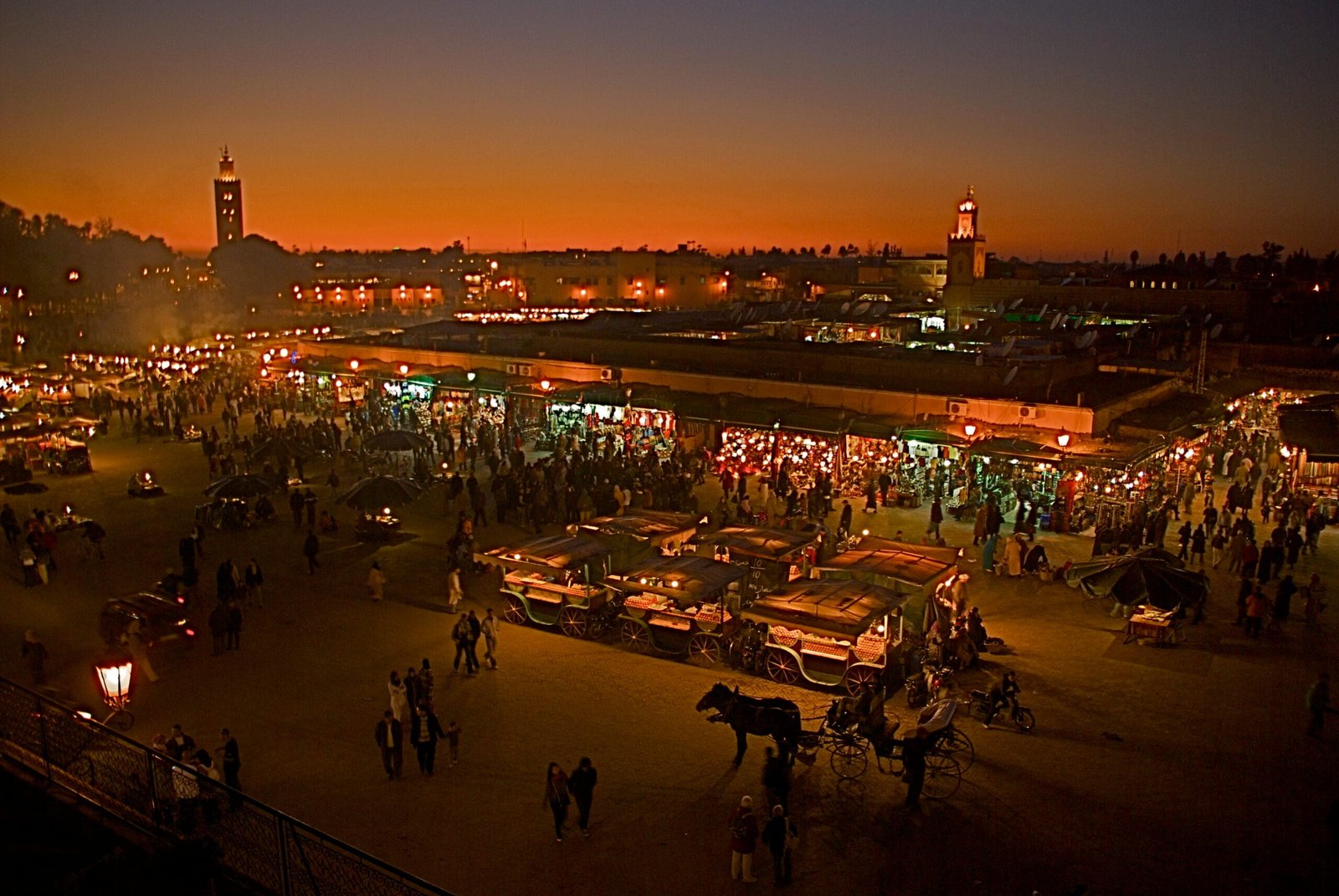
This is where visiting Marrakech during Ramadan takes on its full meaning. One to two hours after the fast is broken, Jemaa el-Fna square recovers its legendary bustle: storytellers, musicians, food stalls, a joyful crowd. The souks reopen and you can browse late in a relaxed atmosphere. Families take over the streets, pastry makers offer their sweets, and the mood is surprisingly festive and peaceful at the same time. This is the best time to discover the richness of the Marrakech souks away from the heat and the rush.
As for going out, be aware that “classic” nightlife (bars, clubs) runs at a slower pace during Ramadan: many venues close or limit their activity. On the other hand, the rooftops and nightlife atmosphere of Marrakech reinvent themselves around tea evenings, late dinners and soft music. The spirit is different, more family-oriented and more cultural than festive in the Western sense, but just as appealing.
Opening hours: monuments, souks, shops and public offices
Managing opening hours is probably the main adjustment to plan for. During Ramadan, almost everything works differently.
- Monuments and museums: most stay open, but with often reduced hours, particularly in the late afternoon. Many close earlier, before ftour. Always check the day’s hours, which may change.
- Souks and shops: later opening in the morning, a marked slowdown in the afternoon, closing before sunset, then a lively reopening in the evening. The best times to shop are therefore mid-morning and, above all, after ftour.
- Cafés and restaurants: highly variable hours; many only serve from ftour onwards. Tourist establishments open during the day are the exception rather than the rule.
- Public offices and banks: reduced hours, often on a continuous schedule (for example from 9 am to 3 pm). Worth taking into account if you need to withdraw cash or handle any formalities.
- Pharmacies and essential services: ensured, with an on-call system. The large stores in the new town close later in the evening.
Our advice: do not plan anything crucial in the hour before sunset, and concentrate your “logistical” activities (shopping, cash withdrawals, purchases) in the morning or the evening. Always have a plan B, because flexibility is your best ally during this period.
How to behave and dress: respect above all
Adopting the right attitude is not complicated: it is mostly a matter of common sense and courtesy. The people of Marrakech are renowned for their hospitality, and they greatly appreciate visitors who make the effort to respect their traditions. Here are the essential guidelines.
- Eating, drinking, smoking: do it out of sight during the day (in your riad, an open restaurant, a private space). Avoid doing it openly in the street or in the presence of people who are fasting.
- Dress: opt for modest clothing that covers the shoulders and knees, for women and men alike. This advice applies all year round in Marrakech, but it takes on particular importance during Ramadan. Avoid very short shorts, low-cut vests and overly tight clothing in the medina.
- Patience: fasting can leave some people more tired or less available in the late afternoon. A smile, patience and kindness make all the difference.
- Greetings: wishing someone “Ramadan Karim” (generous Ramadan) or “Ramadan Mubarak” is a warm gesture, always received with pleasure.
- Sharing: if you are invited to a ftour, accept if you can: it is an honour and a mark of trust. Bringing dates or pastries is an appreciated gesture.
- Photography: always ask permission before photographing people, particularly during moments of prayer or reflection.
These simple gestures are enough to turn your stay into a sincere human encounter rather than a mere sightseeing trip. Respect is always returned a hundredfold.
Pros and cons of travelling during Ramadan
Like any special period, Ramadan has undeniable advantages and a few constraints. Weighing the pros and cons will help you decide whether this time suits your travel expectations.
The advantages
- A unique cultural immersion: you discover an authentic and rarely seen side of Moroccan life, far from the standardised circuits.
- Fewer crowds during the day: tourist sites are quieter in the morning, photos easier, the atmosphere more serene.
- Often gentler rates: accommodation can be more affordable, as tourist numbers dip slightly.
- Magical evenings: the nocturnal buzz, the conviviality of the streets and the generosity of the ftour tables offer memorable moments.
- Special cuisine: harira, chebakia, msemen and pastries that you only find in such abundance at this time.
The drawbacks
- Unpredictable hours: shops, restaurants and monuments on reduced or altered hours, which calls for flexibility.
- Less choice for eating during the day: you sometimes have to look for an open restaurant or rely on your riad.
- Festive nightlife running slow: if you are looking for lively bars and clubs, this is not the best period.
- The dusk transition: the hour before ftour is tricky for getting around (scarce taxis, deserted streets).
- An unusual rhythm: you have to accept shifting your days and giving up an overly rigid programme.
In short, Ramadan is ideal for curious, open-minded and flexible travellers who want to live an authentic experience. It will suit less those who are primarily looking for lively nightlife or seamless logistical comfort.
Practical tips for a successful stay
- Book a riad with catering: being able to eat on site during the day greatly simplifies the stay.
- Experience at least one ftour: it is the experience not to be missed. Book ahead in a riad, a restaurant or, better still, with a local family.
- Align your day with the local rhythm: sightseeing in the morning, a nap or hammam in the afternoon, festive exploration in the evening.
- Anticipate sunset: plan neither travel nor meals in the hour before it.
- Keep a small water bottle: in strong heat, hydrate discreetly, off to one side.
- Dress modestly: shoulders and knees covered, respectful attire in the medina.
- Carry cash: with reduced banking hours, always keep some dirhams on you.
- Stay alert, as always: the city is safe, but keep the good habits set out in our guide on safety and scams in Marrakech.
- Adjust your budget: to balance meals, ftour and activities, see our Marrakech travel budget guide.
One last logistical point: if your stay coincides with the end of Ramadan, be aware that Eid al-Fitr, the great festival that closes the month, is a major public holiday. On that day, almost all shops, restaurants and sites close, and the city devotes itself to family celebrations. It is a splendid moment to witness, but one that requires organising your meals and travel accordingly.
Frequently asked questions
Can you visit Marrakech during Ramadan without any problem?
Yes, absolutely. Marrakech remains a welcoming destination during Ramadan. Hotels, riads, monuments and some tourist restaurants operate normally. You simply need to adapt your rhythm to the city’s particular way of working and show discretion and respect during the day. Many travellers even find this period more authentic and richer in human terms.
Are restaurants open during the day in Ramadan?
Some tourist-oriented restaurants, particularly around Jemaa el-Fna, in the Hivernage and in Guéliz, stay open during the day, but in reduced numbers. Popular cafés and eateries, for their part, generally only open after ftour. The simplest option is to have your midday meals in your riad or hotel, where service is provided as normal.
As a non-Muslim, do I have to fast or hide to eat?
You obviously do not have to fast; no one expects it of you. It is not about “hiding” but about showing discretion: eat, drink and smoke out of sight during the day (in your accommodation or an open restaurant) rather than openly in the street, out of respect for those who are fasting. This simple courtesy is greatly appreciated.
What should you wear in Marrakech during Ramadan?
Favour modest clothing that covers the shoulders and knees, for women and men alike. This advice applies all year round in the medina, but it carries particular importance during Ramadan. Light, breathable clothes in cotton or linen are perfect for staying covered, comfortable and respectful all at once.
Is Jemaa el-Fna square lively during Ramadan?
Yes, but at shifted hours. During the day, and especially in the hour before sunset, the square can seem surprisingly calm, even deserted at the moment of ftour. On the other hand, one to two hours after the fast is broken, it recovers all its buzz: storytellers, musicians, food stalls and a joyful crowd until late into the night. The evening is the best time to enjoy it.
Is Ramadan a good time for a first trip to Marrakech?
It depends on your expectations. For a curious, flexible traveller drawn to cultural immersion, it is a fascinating period, often cheaper and less crowded during the day. For those who prioritise festive nightlife in the Western sense or seamless logistical comfort, another season may be better suited. In any case, a first stay during Ramadan remains entirely possible and memorable, provided you adjust your programme to the city’s rhythm.
This guide is independently edited and is affiliated neither with ONDA nor with any official body or religious institution; the dates and religious information are given for indication only and should be confirmed with official Moroccan sources.
Images under free licence via Wikimedia Commons: © procsilas (CC BY 2.0); © Misa.stefanovic.07 (CC BY-SA 4.0); © Khammal92 (CC BY-SA 4.0). Sources: Wikimedia Commons.