Visiting Aït Benhaddou from Marrakech is not only possible but one of the most memorable excursions in southern Morocco: the famous ksar of Aït-Ben-Haddou lies roughly 190 to 200 km from the red city, some 30 km from Ouarzazate, and is reached in nearly 4 hours of driving each way, crossing the High Atlas over the Tizi n’Tichka pass. In practice, you can discover it on a long round-trip day, or fold it into a 2- to 3-day tour combined with the desert (Zagora or Merzouga). This fortified earthen village, a UNESCO World Heritage Site since 1987 and the backdrop of dozens of films, offers a complete change of scene at the “gateway to the desert.”
In short: the essentials of the Aït Benhaddou and Ouarzazate excursion
- UNESCO ksar: Aït-Ben-Haddou has been a UNESCO World Heritage Site since 1987, an iconic example of pre-Saharan earthen architecture.
- Distance and duration: roughly 190 to 200 km from Marrakech, or nearly 4 hours of driving each way (a long round-trip day).
- Tizi n’Tichka pass: the road crosses the High Atlas at about 2,260 m altitude, one of the highest mountain passes in Morocco.
- Ouarzazate: the “gateway to the desert” is home to the Atlas Film Studios and the Taourirt Kasbah, about 30 km from the ksar.
- Format: 1 round-trip day for the essentials, or 2 to 3 days to combine with the Zagora or Merzouga desert.
- Budget: indicative price depending on the option (group excursion, private tour or rental car) and the on-site entry fee, to be confirmed at the time of booking.
What is the ksar of Aït-Ben-Haddou?
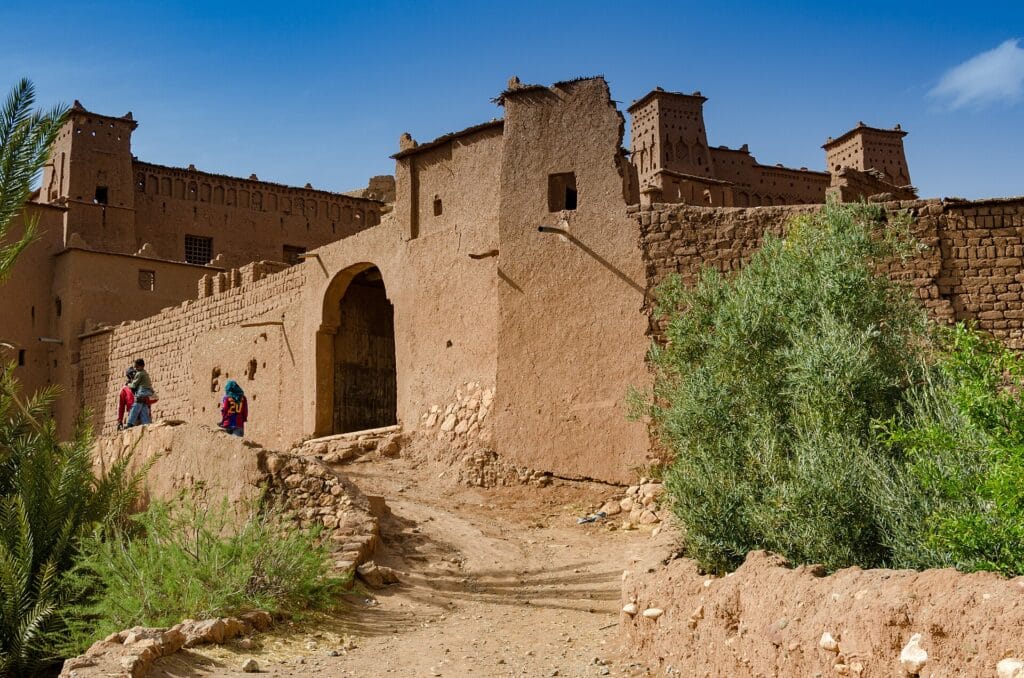
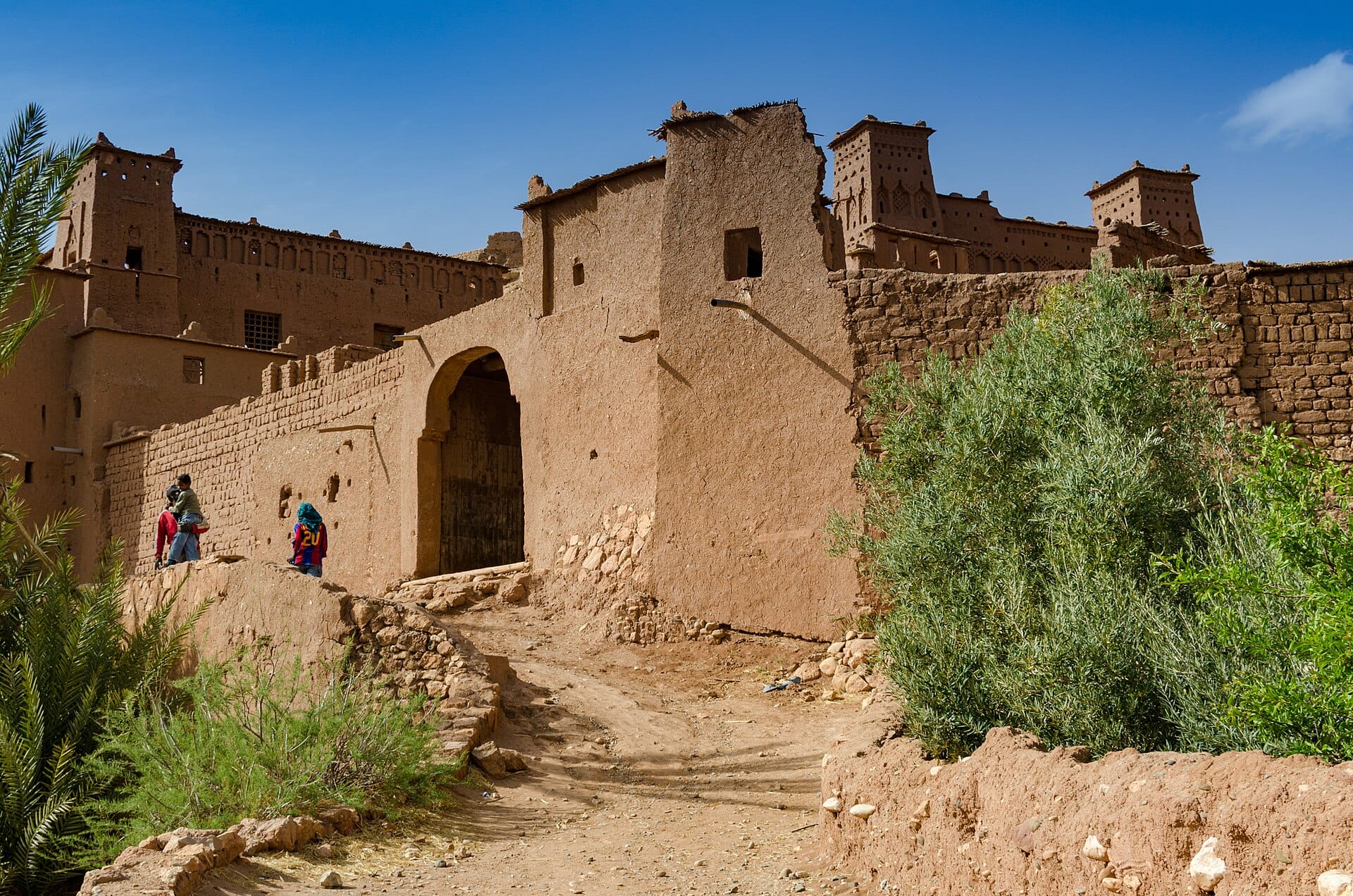
The ksar of Aït-Ben-Haddou is a traditional fortified village built entirely of earth, nestled on the southern slope of the High Atlas, in the province of Ouarzazate. A “ksar” (plural “ksour”) refers, in the Maghreb, to a cluster of dwellings grouped within a defensive wall reinforced at the corners by towers. Here the houses rise in tiers up the hillside, crowned by tighremts – those tall rammed-earth tower-houses with facades decorated in geometric patterns – and huddle along narrow lanes that climb up to a collective granary at the summit.
The site borders the Ounila River and faces a palm grove, in a mineral landscape of ochre tones that shifts colour throughout the day. It is the most famous ksar in the Ounila valley, and one of the best-preserved examples of earthen architecture in southern Morocco. Today only a few families still live within the ancient walls; most of the inhabitants have settled in the modern village on the other side of the river. For many travellers planning their programme of things to do from Marrakech, discovering this ksar is the highlight of a journey to the south.
History and the caravan route: a crossroads of the Sahara
The historical importance of Aït-Ben-Haddou stems from its strategic position on the ancient caravan route that linked Marrakech to the Sahara and, beyond it, to sub-Saharan Africa. For centuries this corridor saw the passage of salt, gold, spices, dates and countless goods traded between northern Morocco and the great cities of the desert. The caravans crossing the High Atlas would stop over in these fortified villages, where they found safety, water and trade.
The tighremts and kasbahs of the region served both as residences for influential families and as control points along the routes. While most of the oldest buildings visible today date back a few centuries, the site has occupied this key location for far longer. With the decline of the great trans-Saharan caravans and the opening of modern roads, Aït-Ben-Haddou lost its commercial function but kept its extraordinary silhouette as an earthen village, a witness to a way of life and a building craft passed down from generation to generation.
UNESCO and earthen architecture: why Aït-Ben-Haddou is protected
The ksar of Aït-Ben-Haddou has been on the UNESCO World Heritage List since 1987. It is recognised as a striking example of traditional pre-Saharan habitat and of the earthen architecture of southern Morocco. This listing protects not only the buildings but also the cultural landscape in which they sit: the palm grove, the river and the very layout of the village.
The architecture relies on local materials and time-honoured techniques. The walls are built with pisé (raw earth compacted in formwork) and adobe (sun-dried earth bricks), sometimes reinforced with wood and straw. This building method offers remarkable thermal inertia: the thick walls keep the interior cool in summer and warm in winter. But raw earth is fragile in the face of rain and floods: without regular maintenance, the structures erode. That is why the ksar is the subject of ongoing restoration campaigns, some of which have been accelerated by the needs of film shoots.
As you wander the lanes, take the time to notice the details: the geometric motifs incised into the plaster, the studded wooden doors, the mashrabiyas and the niches. From the granary at the top of the hill, the view takes in the Ounila River, the palm grove and the mountains in the distance – a panorama that, on its own, justifies the climb.
The film set: the “Hollywood” of the desert
Aït-Ben-Haddou and the Ouarzazate region are among the most filmed natural settings in the world. The light, the desert landscapes and the authenticity of the earthen architecture make it an open-air soundstage prized by major international productions. Among the films and series shot in the area are Lawrence of Arabia, Gladiator, The Mummy, Kingdom of Heaven, Alexander, Babel and the series Game of Thrones, not to mention many other productions that have passed through the Ouarzazate studios.
On site, you may recognise certain angles made famous by the big screen. Sets and set pieces sometimes survive nearby, mementos of past shoots. This dual identity – an age-old heritage site on one hand, a film set on the other – gives the visit a special charm. It is also one of the arguments that often comes up when comparing the various excursions from Marrakech: few destinations offer such historical value and such cultural fame at the same time.
The road via Tizi n’Tichka: crossing the High Atlas
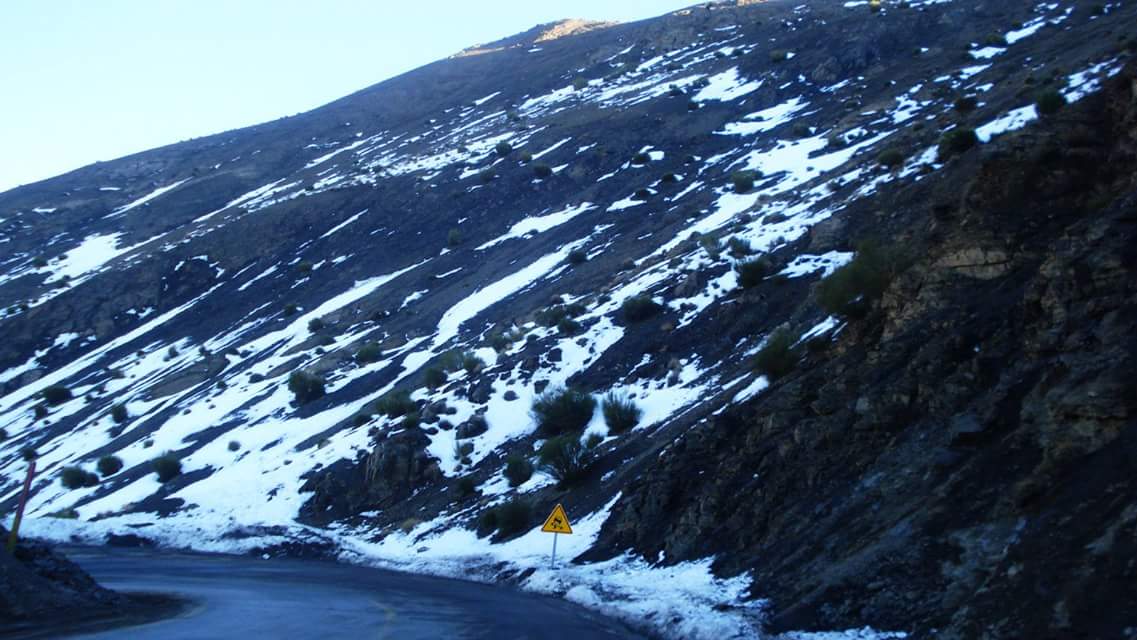
Reaching Aït Benhaddou from Marrakech means first crossing the barrier of the High Atlas via the Tizi n’Tichka road, a legendary pass topping out at about 2,260 metres altitude. This road links the south-east of Marrakech to Ouarzazate over nearly 200 km, through some of the most beautiful mountain landscapes in Morocco. The roadway winds in hairpin bends, skirts Berber villages clinging to the slopes, and opens up dizzying viewpoints over the valleys and peaks.
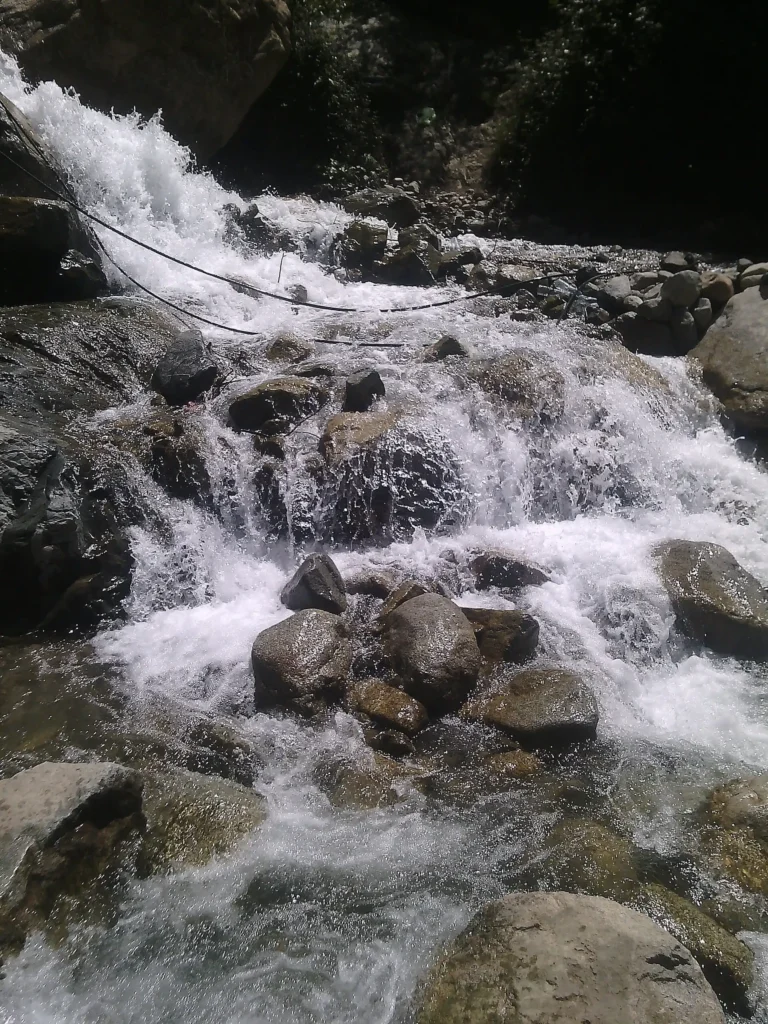
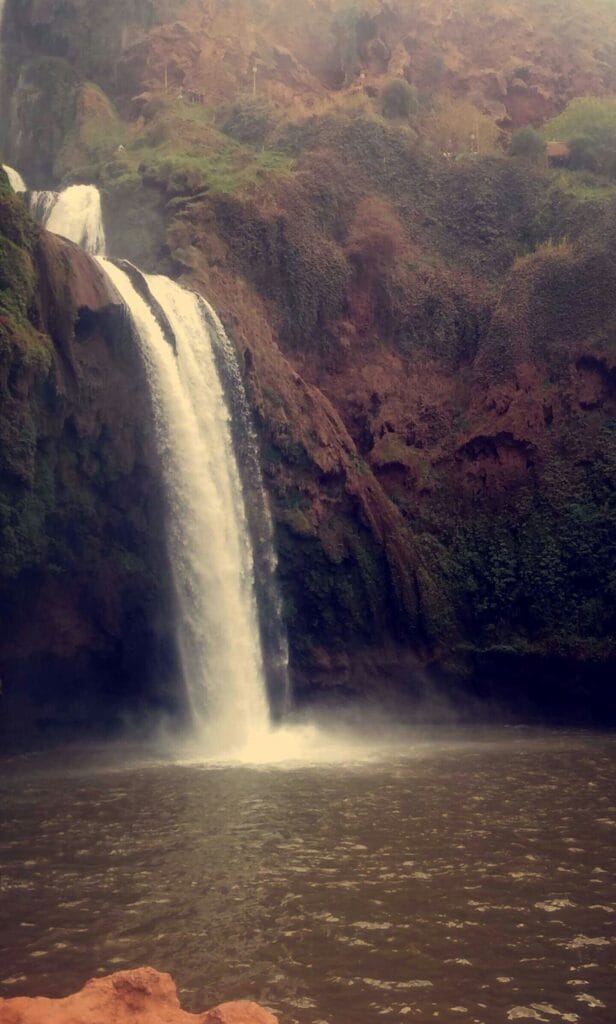
Allow about 4 hours of driving each way, not counting stops. The journey itself is part of the experience: many travellers stop to photograph the pass, buy minerals or argan oil at the roadside stalls, or drink a mint tea with a mountain view. Be aware, however: from November to March, snow can fall on the pass and disrupt traffic, while the sun can stay strong all year round. The road has been gradually improved in recent years, but it remains winding; if you are prone to motion sickness, bring something to ease it. If you prefer shorter outings closer to the city, alternatives such as the Ourika Valley or the Ouzoud Waterfalls require far less travel time.
Ouarzazate and the Atlas Film Studios
Ouarzazate, nicknamed the “gateway to the desert,” is the great crossroads of southern Morocco, located about 30 km from Aït-Ben-Haddou. The city has built an international reputation thanks to cinema: it is home to several film studios, including the Atlas Film Studios, among the largest complexes of their kind in the world. The city’s first studios appeared in the 1980s, and ever since, the region has kept welcoming productions from all over the world.
A visit to the studios, usually guided, lets you discover life-size sets evoking ancient Egypt, Rome, Mesopotamia or Tibet, along with props and stages that have served in major films. It is a fun stop, especially popular with families and film buffs. Many 2-day excursions to the desert include a break in Ouarzazate, which makes it possible to pair the heritage side of Aït-Ben-Haddou with the “behind the scenes” side of the studios.
The Taourirt Kasbah
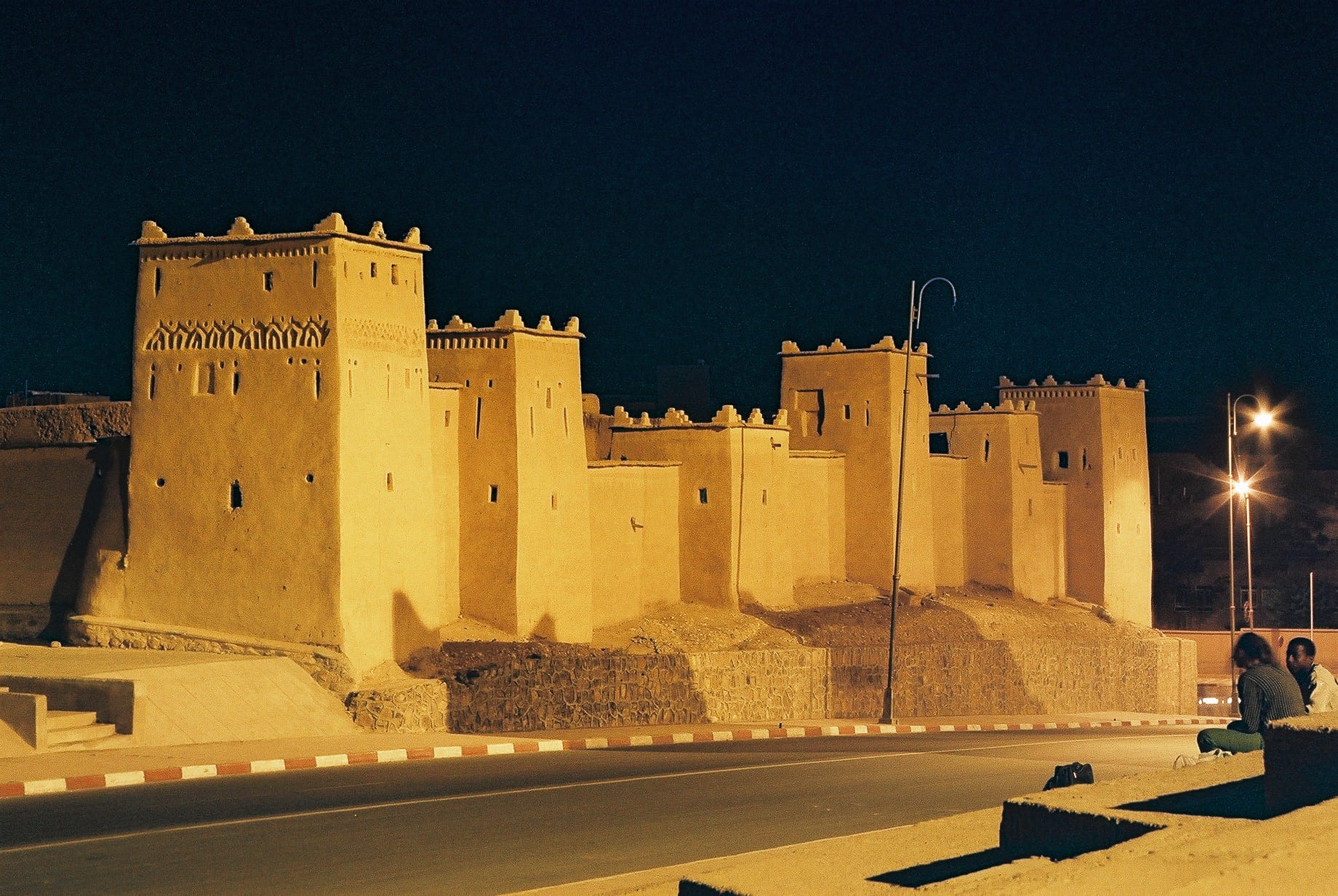
At the heart of Ouarzazate stands the Taourirt Kasbah, one of the most impressive earthen complexes in the region. A former residence tied to the local powers that once controlled the trade routes of the south, this kasbah forms a maze of towers, courtyards and decorated rooms. Its construction dates back several centuries, and the place was long a waypoint on the caravan routes.
Visiting Taourirt is the ideal complement to Aït-Ben-Haddou: you find the same earthen materials and the same architectural principles, but in a more urban setting. Facing the kasbah, a museum devoted to cinema recalls the close bond between the city and the seventh art. If your excursion includes Ouarzazate, allow a little time to stroll through this historic quarter, often less crowded than the ksar itself.
Inside, the succession of rooms with painted cedar ceilings, chiselled stucco and narrow courtyards gives a sense of the refinement the great southern families surrounded themselves with. The kasbah, long inhabited, also illustrates the fragility of earthen architecture: some parts have deteriorated over time, while others have been restored. It is an instructive contrast with Aït-Ben-Haddou, and a chance to better understand how these buildings were designed to withstand the arid climate while displaying the prestige of their owners.
One-day or 2–3-day excursion: which option to choose?
The main choice comes down to duration. An Aït Benhaddou Marrakech excursion in a single day is doable, but intense: with nearly 4 hours of driving out and just as many back, the day is long and the time on site limited. Conversely, a 2- or 3-day tour lets you extend towards the desert (Zagora reachable in 2 days, Merzouga and its great dunes rather in 3 days) and discover the Drâa Valley, the palm groves and a night under the stars. Here is a comparison to help you decide.
| Criterion | 1-day excursion | 2–3-day tour (combined with the desert) |
|---|---|---|
| Total duration | Full day (early departure, late return) | 2 to 3 days with overnight stay(s) |
| Driving time (one way) | ~4 h to the ksar | ~4 h to Ouarzazate, then onward to the desert |
| Sites covered | Aït-Ben-Haddou, sometimes Ouarzazate in passing | Aït-Ben-Haddou, Ouarzazate, Drâa Valley, desert (Zagora or Merzouga) |
| Time on site at the ksar | Limited (1 to 2 h) | More comfortable, often in the morning |
| Night in the desert | No | Yes (bivouac or guesthouse depending on the option) |
| Pace | Brisk, a lot of driving in one day | More spread out, less tiring per day |
| Ideal for | Tight schedule, an overview of the site | Travellers wanting to experience the desert and the south in depth |
In short: if you only have one day and the essential thing for you is to see the ksar, the round trip works. But if you dream of dunes, a desert sunset and a night in a tent, opt for a multi-day tour. To slot this excursion into a longer stay, our Marrakech in 3 days itinerary will help you divide your time wisely between the city and its surroundings.
How to get to Aït Benhaddou from Marrakech
Several options are available to reach Aït-Ben-Haddou and Ouarzazate from Marrakech, each with its own advantages.
On an organised excursion (group)
This is the most common option and often the most economical. An air-conditioned minibus or coach picks you up early in the morning, with a driver-guide who handles the itinerary, photo stops and sometimes meals. Ideal for not having to worry about driving on a mountain road, this option does, however, involve fixed schedules and a standardised amount of time on site.
On a private excursion
More flexible, a private excursion with a driver lets you choose the pace, the length of the stops and sometimes the stages. It suits families, groups of friends or those who want to control their own schedule. The budget is higher than in a group, but stays reasonable once shared.
By rental car
Driving yourself offers total freedom, but assumes you are comfortable on a winding mountain road, with numerous bends and traffic that is sometimes slow behind lorries. Fill up before leaving, drive carefully and anticipate the weather conditions in winter. Parking is available near the site. This option is perfect for independent travellers who also want to explore the surroundings at their own pace.
When to go and how long to stay on site
The best seasons for this excursion are spring (March to May) and autumn (September to November), when temperatures are pleasant both on the road and on site. Summer can be very hot in the south, especially in the middle of the day; if you set off in July or August, favour a visit to the ksar early in the morning or late in the afternoon. In winter, the days are cooler and snow can cover the Tizi n’Tichka pass: check the state of the road before leaving. To fine-tune your choice of dates, see our guide to the best time to visit Marrakech.
On site, allow at least 1 hr 30 to 2 hours to walk leisurely through the ksar, climb up to the granary and enjoy the viewpoints. Photography enthusiasts will appreciate the low, raking light of the morning or late afternoon, which brings out the relief of the earthen walls. If your schedule allows, the ideal is to arrive early to avoid both the heat and the crowds.
Practical tips for visiting Aït-Ben-Haddou
- Suitable footwear: the ksar is visited on foot, along sloping lanes, steps and uneven ground. Closed, comfortable shoes are essential.
- Protection from heat and sun: hat, sunglasses, sunscreen and above all plenty of water, as shade is scarce once at the top.
- Cash: bring cash for the possible entry fee, drinks, tips and small purchases; card payments are not guaranteed everywhere in the south.
- Crossing the river: depending on the water level, you reach the ksar over a bridge or by fording it; ask around and adapt to the situation on the day.
- Respect for the inhabitants: a few families still live in the ksar; ask before photographing people and be discreet in private spaces.
- Early departure: for a one-day excursion, a very early start is the key to enjoying the site without rushing on the way back.
What to see around Aït-Ben-Haddou and Ouarzazate
The region holds many other treasures if you have the time. The Ounila valley, upstream of the ksar, lines up other earthen villages and spectacular landscapes long kept off the main routes. To the south, the road leads to the Drâa Valley, an immense oasis fringed with palm groves, then to the gates of the Zagora and Merzouga deserts. Near Ouarzazate, you can also discover dams, lakes and one of the largest solar complexes in the country, a symbol of the region’s more contemporary face.
Those heading back north can also make a stop in the Berber villages of the High Atlas encountered on the Tizi n’Tichka road, for a tea, a lunch or simply a photo break. Each season transforms the scenery: lush palm groves in spring, golden light in autumn, snow-capped peaks in winter. This diversity makes Aït-Ben-Haddou and Ouarzazate a destination you can visit again and again without ever tiring of it.
If you are building a full stay around Marrakech, it can be wise to alternate long excursions to the south with shorter outings. A day in Essaouira from Marrakech for the ocean and the ramparts, or a getaway to the Agafay Desert close to the city, make excellent complements. To organise your nights, our guide on where to stay in Marrakech will help you choose a well-located neighbourhood from which to reach the excursions.
Frequently asked questions
Can you visit Aït Benhaddou in a day from Marrakech?
Yes. The ksar lies roughly 190 to 200 km from Marrakech, or nearly 4 hours of driving each way via the Tizi n’Tichka pass. A round-trip day excursion is possible, but the day is long and the time on site limited; an early departure is strongly recommended.
What is the distance and the travel time?
The distance is roughly 190 to 200 km, for a driving time of about 4 hours each way, not counting stops. Since the mountain road is winding, the actual duration depends on traffic, weather conditions and the number of breaks.
Is Aït-Ben-Haddou really a UNESCO site?
Yes, the ksar of Aït-Ben-Haddou has been a UNESCO World Heritage Site since 1987, as a remarkable example of traditional pre-Saharan habitat and of the earthen architecture of southern Morocco.
Should you combine Aït Benhaddou with the desert?
It is not mandatory, but it is an excellent idea if you have the time. A 2- to 3-day tour lets you string together Aït-Ben-Haddou, Ouarzazate, the Drâa Valley and the Zagora or Merzouga desert, with a night under the stars, for a far more complete experience than a simple round trip.
Which films were shot in Aït-Ben-Haddou and Ouarzazate?
The region has served as a backdrop for many famous productions, among them Lawrence of Arabia, Gladiator, The Mummy, Kingdom of Heaven, Alexander, Babel and the series Game of Thrones, among other films that have passed through the Ouarzazate studios.
What is the best time for this excursion?
Spring and autumn offer the most pleasant temperatures. Summer is very hot in the south: visit the ksar early in the morning or late in the afternoon. In winter, snow can fall on the Tizi n’Tichka pass; check the state of the road before leaving.
Conclusion
The excursion to Aït Benhaddou and Ouarzazate from Marrakech is one of the finest doorways into southern Morocco: an earthen ksar listed by UNESCO since 1987, a spectacular road across the High Atlas via the Tizi n’Tichka, and the magic of the film studios at the “gateway to the desert.” Whether you choose the round-trip day or the multi-day tour combined with the desert, you will come back with powerful images and the feeling of having touched the soul of caravan Morocco. Pack good shoes, set off early, and let yourself be carried by the ochre light of the Ounila valley.
Editorial independence: this article is purely informative and independent. The prices, durations, distances and schedules mentioned are given as an indication and may change; always check up-to-date information with official sources and providers before booking your excursion.
Images under free licence via Wikimedia Commons: © xiquinhosilva from Cacau (CC BY 2.0); © GuHKS (CC BY-SA 4.0); © Alexander Leisser (CC BY-SA 4.0). Sources: UNESCO and Wikipedia.