
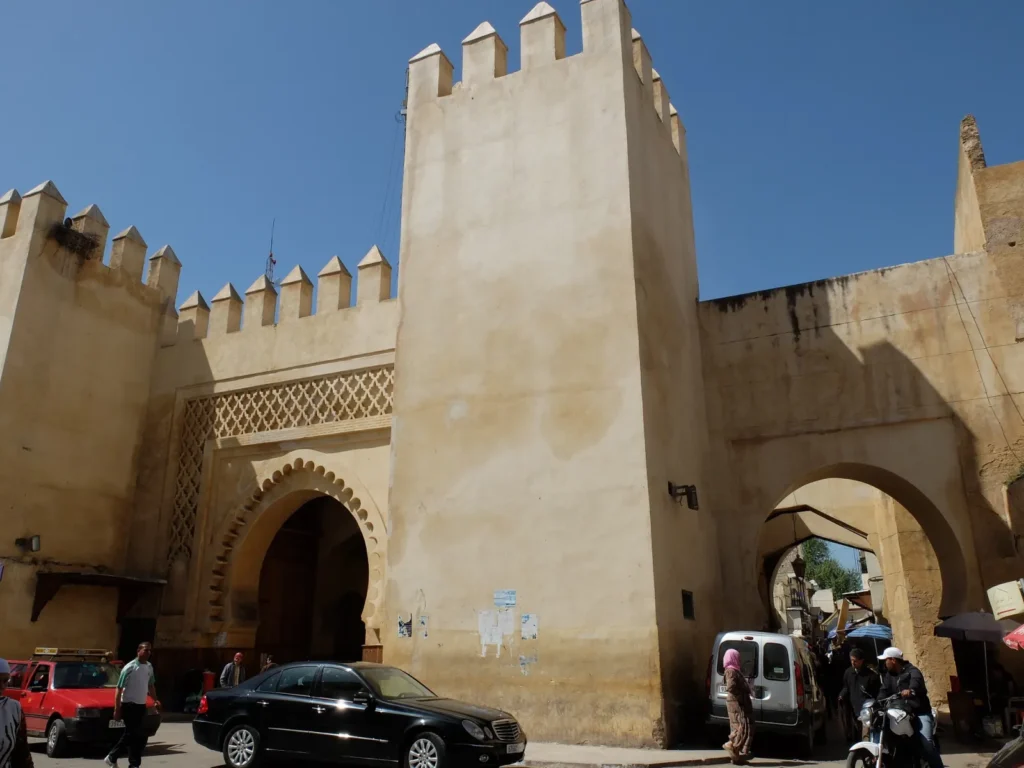
Fes el-Jdid: The Marinid Royal City, What to See and How to Visit
Fes el-Jdid is the royal city that the Marinid sultan Abu Yusuf Ya’qub began building in 1276 to the west
Fes place by place: the Fes el-Bali medina and its souks, the Qarawiyyin, the Bou Inania and Attarine madrasas, the Chouara tanneries, the Nejjarine and Dar Batha museums, the gates and ramparts, plus one to three day itineraries, where to sleep and eat, and day trips to Volubilis, Meknes, Ifrane or the desert.
Fes el-Jdid is the royal city that the Marinid sultan Abu Yusuf Ya’qub began building in 1276 to the west
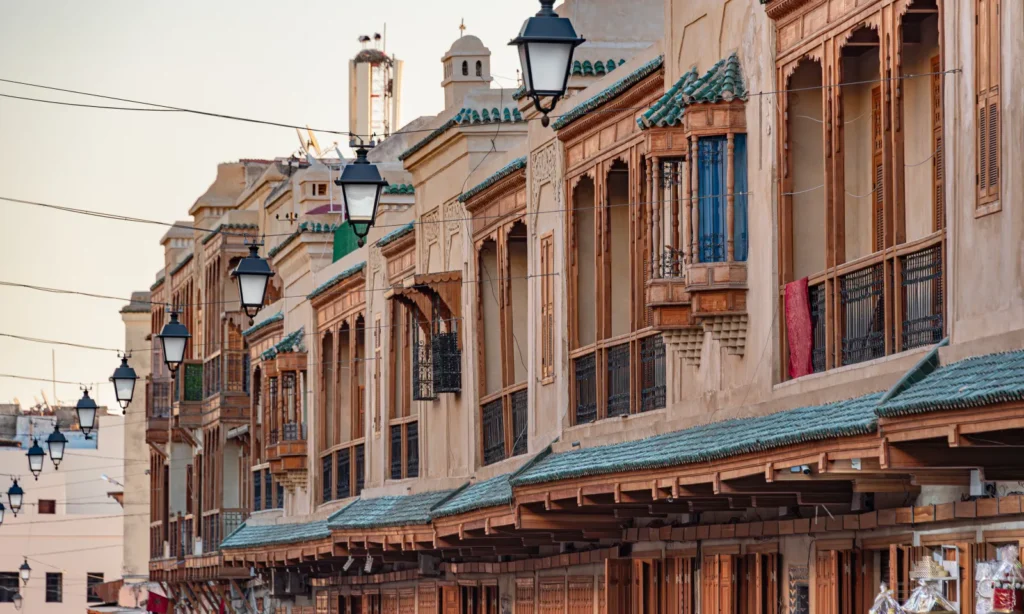
The Mellah of Fes is the city’s former Jewish quarter, created in the mid-15th century inside Fes el-Jdid, right against
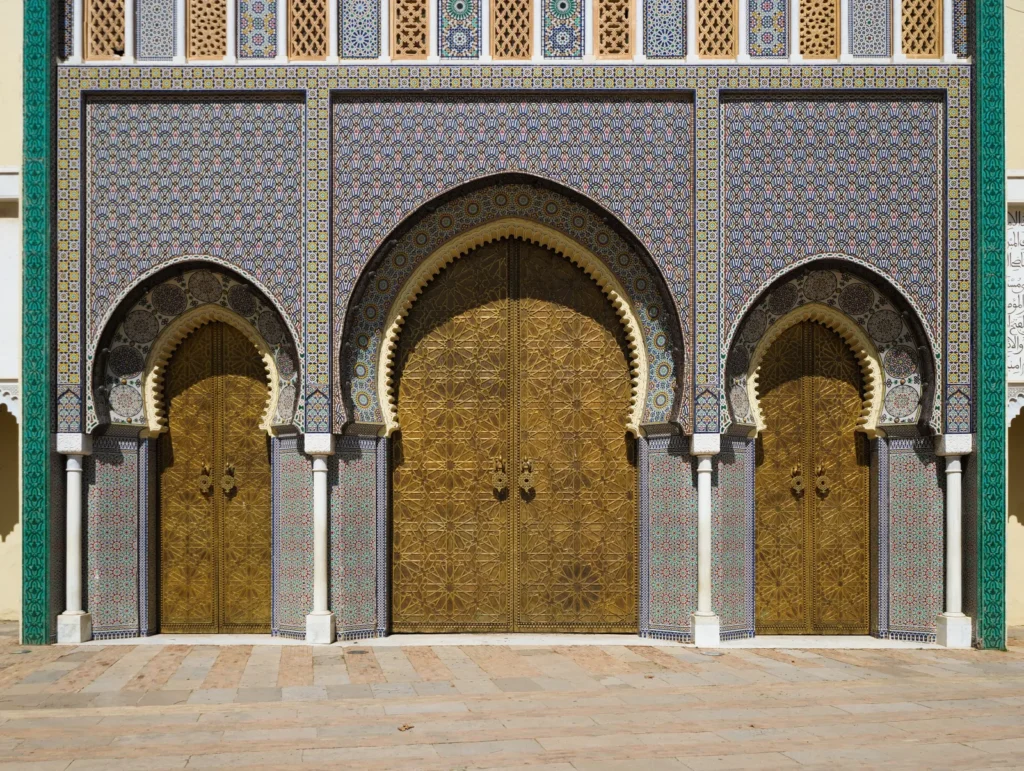
The Royal Palace of Fes, known as Dar el-Makhzen, cannot be visited inside: you admire it from Place des Alaouites
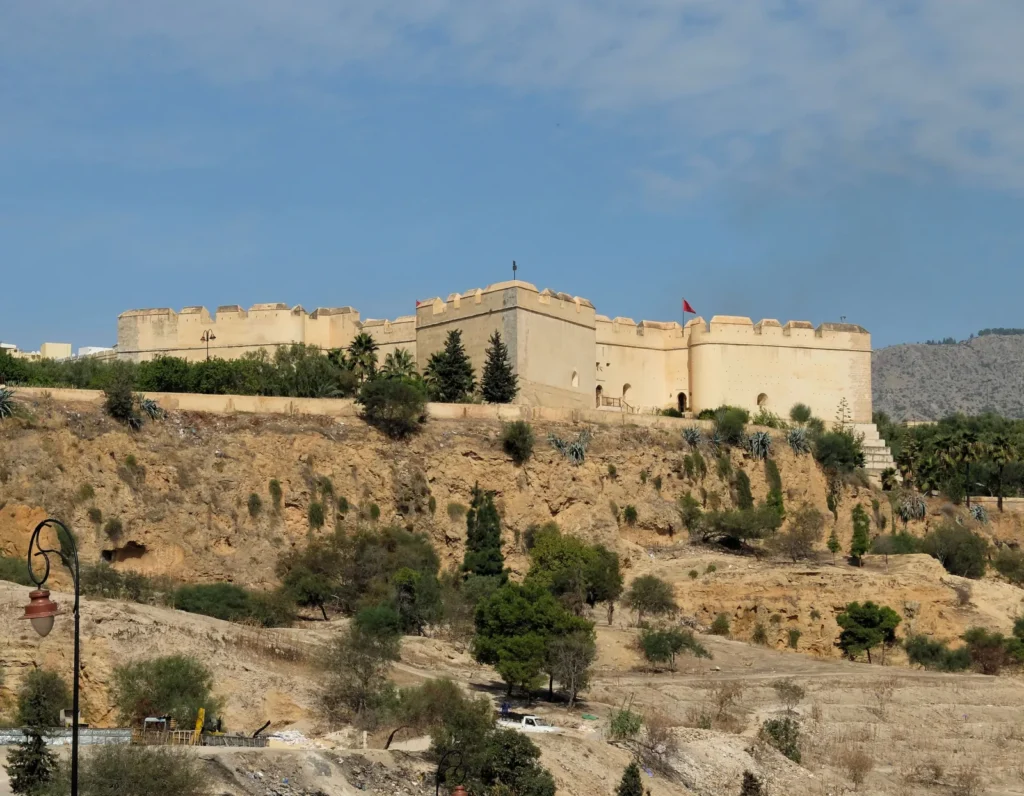
Borj Nord in Fes is a Saadian fortress founded in 1582 by Sultan Ahmad al-Mansur on the hill that overlooks
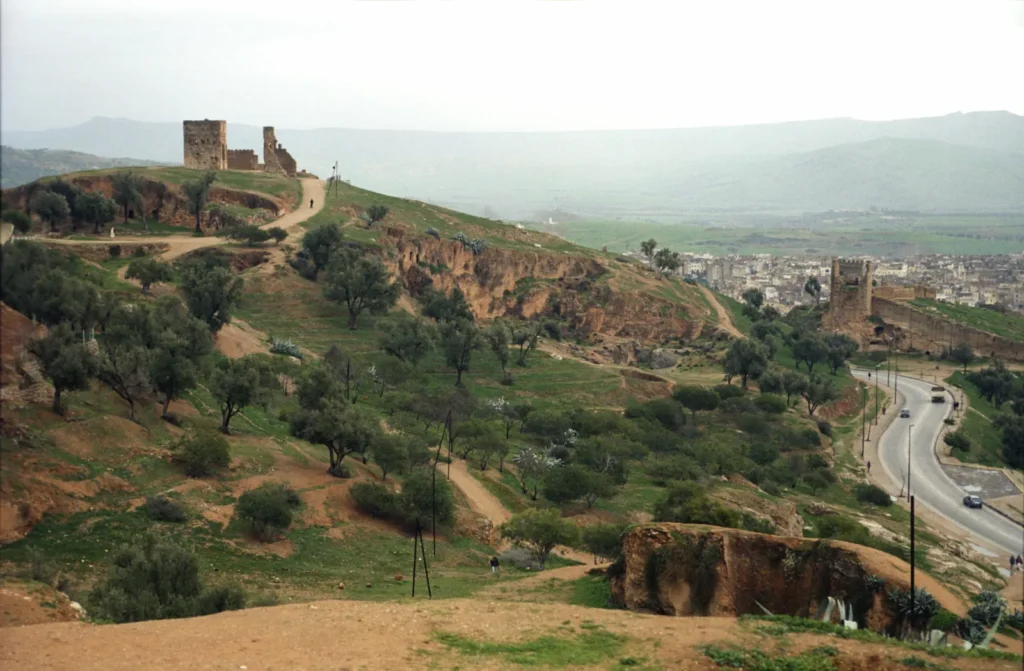
The Marinid Tombs of Fes are the ruins of a 14th-century royal necropolis on the hill of al-Qula, just north
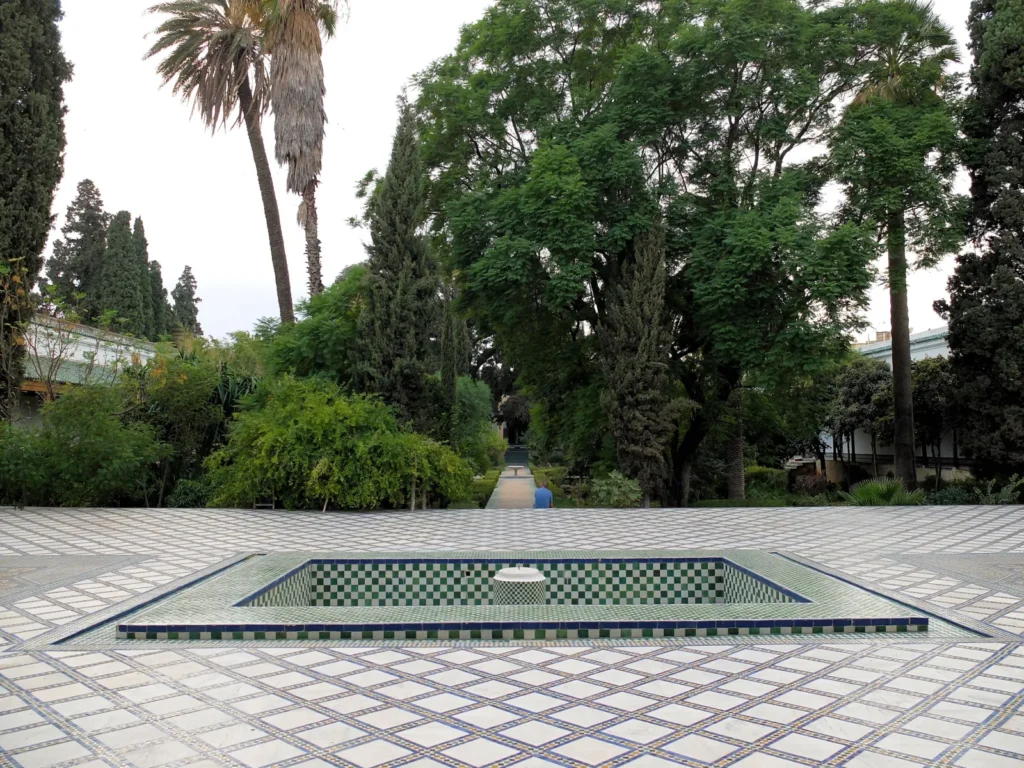
The Dar Batha Museum in Fes is a late 19th-century royal palace on the western edge of the medina, a
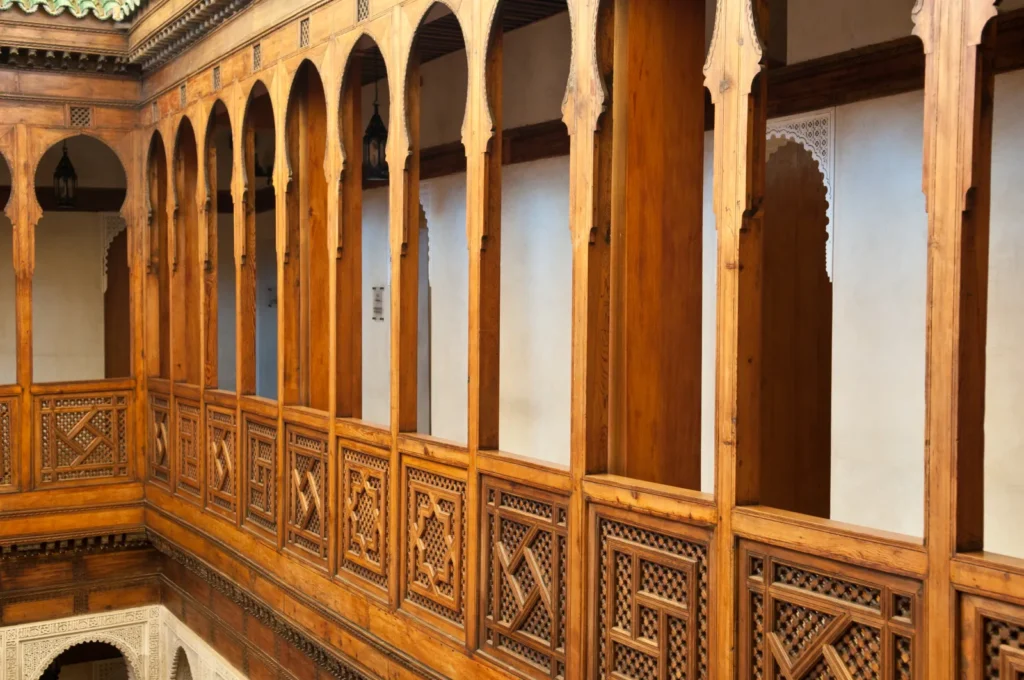
The Nejjarine Museum of Wooden Arts and Crafts occupies a former funduq in Fes built in 1711 under Sultan Moulay
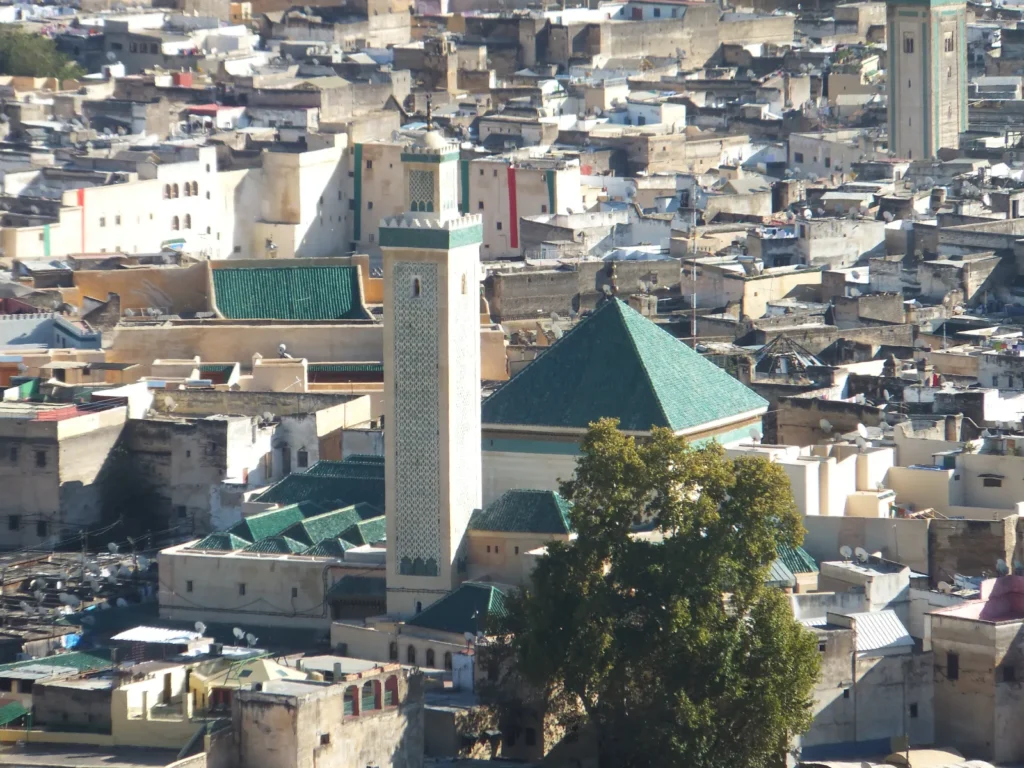
The Zawiya of Moulay Idriss II is the shrine that holds the tomb of Idris II, the Idrisid ruler who
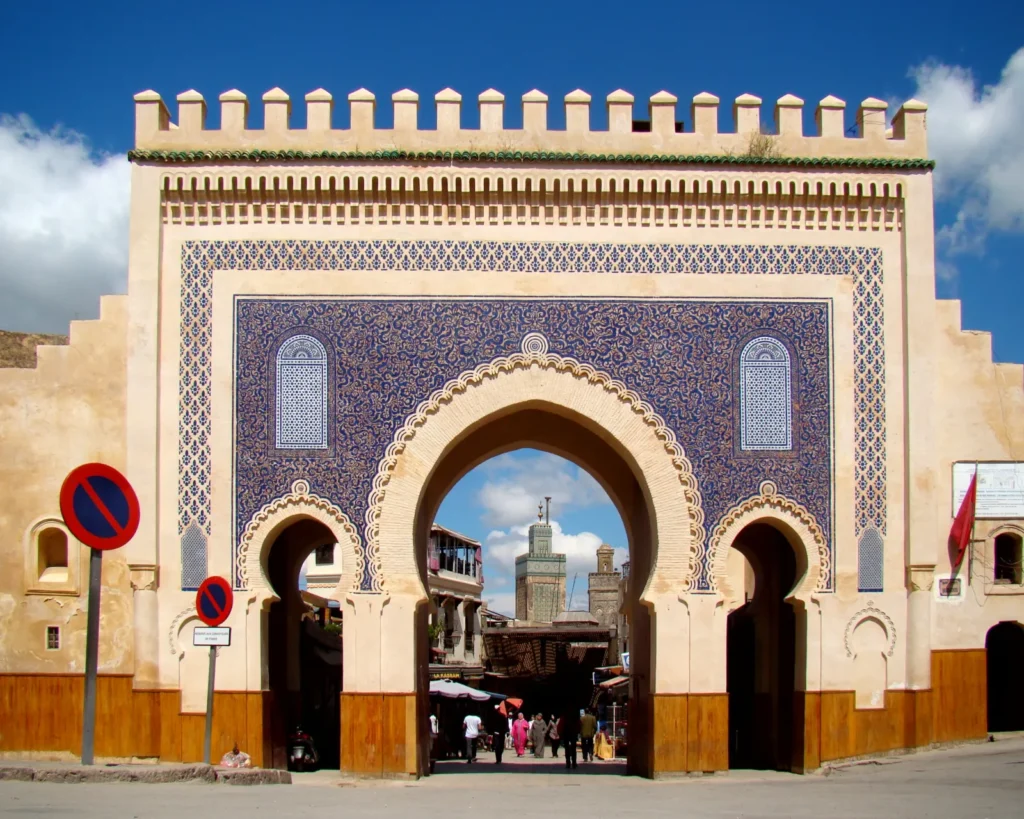
Bab Boujloud, the Blue Gate of Fes, is the monumental western entrance to the Fes el-Bali medina: a triple horseshoe
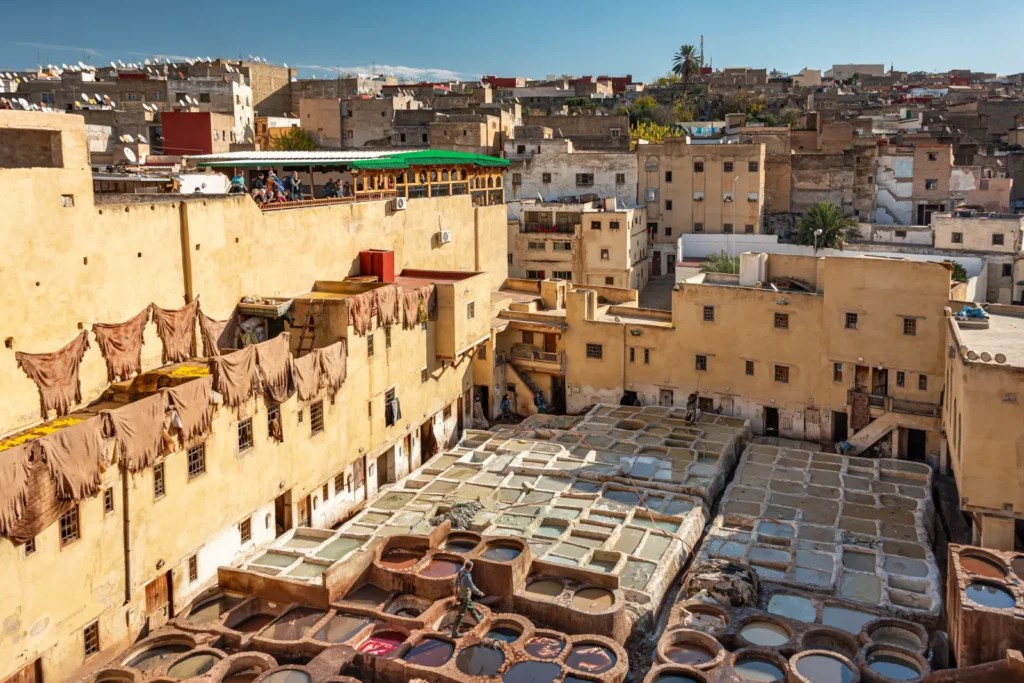
The Chouara Tannery (Dar Dbagh Chouara) is the largest of the three traditional tanneries still working inside the medina of