When it comes to health and vaccines for Morocco, the news is reassuring: no vaccine is mandatory for the vast majority of travellers coming from the United Kingdom, the United States, France or Germany. The only exception is yellow fever, required solely if you arrive from a country where the virus circulates. That said, several vaccines are strongly recommended (up-to-date tetanus-diphtheria-polio, hepatitis A, sometimes typhoid), and a few simple precautions against traveller’s diarrhoea, sun and heat are enough for a smooth trip. This article is purely informative and does not replace medical advice. Consult a healthcare professional or a travel clinic 4 to 6 weeks before departure, as this information is subject to change.
In brief: health and vaccines for Morocco
- No mandatory vaccine for travellers from Europe and North America, except proof of yellow fever vaccination if you arrive from a country where the virus circulates (from age 1).
- Universally recommended vaccines: be up to date on tetanus-diphtheria-polio, pertussis (whooping cough), MMR (measles-mumps-rubella) and hepatitis A.
- Depending on your profile and trip: typhoid (long or rustic stays), hepatitis B and rabies (long stays, animal contact, isolated areas).
- No malaria: Morocco has been certified malaria-free by the WHO since 2010. No antimalarial treatment is needed.
- Main risk: traveller’s diarrhoea, linked to water and food. Prevention is simple and effective.
- Health system: good-quality private care, but upfront payment is almost always required. Travel insurance is strongly advised.
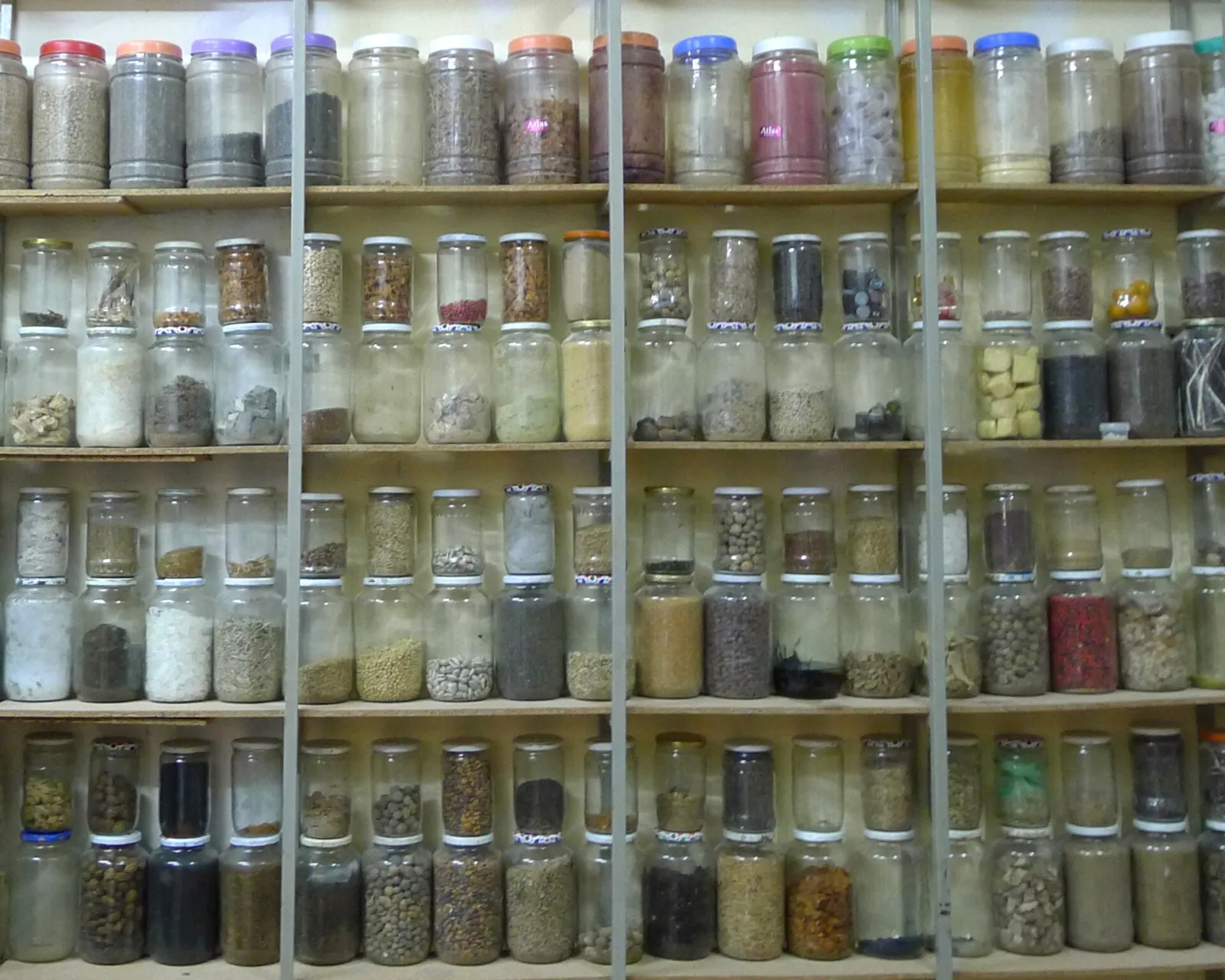
Are any vaccines mandatory to travel to Morocco?
For health and vaccines for Morocco, the rule is clear: the country imposes no entry vaccination on travellers arriving from the UK, the US, France, Canada or Germany. You can enter with a valid passport without showing a vaccination record, subject to the usual stay formalities. The only regulatory vaccine is yellow fever, and it applies to one specific case only.
Yellow fever: the only requirement, and for whom?
An international yellow fever vaccination certificate is required for travellers aged 1 and over who arrive in Morocco from a country where the virus circulates (parts of sub-Saharan Africa and tropical South America). The measure is designed to prevent importing the disease, so it does not apply if you travel directly from Europe or North America. If your itinerary includes a long stopover or stay in a yellow fever endemic zone before Morocco, check the exact rule with an authorised travel clinic, as the list of affected countries changes.
No “Morocco-specific” vaccine is imposed
Contrary to a common belief, there is no Morocco-only vaccine you must have. The country has a health profile close to that of the wider Mediterranean region. The recommendations below are preventive, not compulsory: they aim to reduce real but generally moderate risks. For administrative entry formalities, see our dedicated guide on Morocco visa and entry requirements.
Recommended vaccines for Morocco
Health authorities and reference centres (WHO, Institut Pasteur, government travel-advice agencies) recommend a common baseline, then extras depending on the length and style of your trip. The guiding principle of health and vaccines for Morocco is this: first bring your routine vaccinations up to date, then discuss specific vaccines with a doctor.
Up-to-date routine vaccinations
Before any international trip, make sure you are up to date on tetanus-diphtheria-polio, pertussis and MMR (measles-mumps-rubella). Measles still circulates in outbreaks in many countries, including in Europe; full vaccine coverage is particularly important. Tetanus boosters are useful in case of injury during a trek or outdoor activity.
Hepatitis A: recommended for almost all travellers
Hepatitis A is transmitted through contaminated water and food. It is the travel vaccine most often advised for Morocco, whatever the type of stay (hotel, riad, tour, homestay). A single injection ideally given about two weeks before departure provides protection, completed by a booster several months to a few years later for longer-lasting coverage. Ask your doctor for the exact schedule.
Typhoid: depending on length and conditions
Typhoid fever, also food- and water-borne, is recommended for longer stays, rural travel or more rustic hygiene conditions (desert bivouac, hiking in the Atlas, homestays). For a short city break in a hotel, it is often considered optional. This is exactly the kind of decision to make with a professional based on your itinerary.
Hepatitis B and rabies: depending on your profile
Hepatitis B is advised for long or repeated stays and for exposed profiles (medical care, tattoos, unprotected sex). Rabies is worth considering for extended stays, in isolated settings, for children (more likely to approach animals) or for travellers cycling or walking far from towns: stray dogs are present in Morocco and quick access to care is not guaranteed everywhere. Preventive rabies vaccination never removes the need for immediate medical care after a bite or scratch.
| Vaccine | Status for Morocco | For whom / when |
|---|---|---|
| Yellow fever | Mandatory only if arriving from a risk country (age ≥ 1) | Travellers arriving from a yellow fever endemic zone |
| Tetanus-diphtheria-polio + pertussis | Recommended (update) | All travellers |
| MMR (measles) | Recommended (update) | All, especially non-immune |
| Hepatitis A | Strongly recommended | Almost all travellers |
| Typhoid | Recommended depending on stay | Long / rural / rustic stays |
| Hepatitis B | To consider | Long, repeated stays; exposed profiles |
| Rabies | To consider | Isolation, children, animal contact |
Water, food and traveller’s diarrhoea: the real daily risk
The main health nuisance in Morocco is not a serious illness but traveller’s diarrhoea. It affects a notable share of visitors and usually results from contaminated water or food, sometimes simply from a change in gut flora. A few habits sharply reduce the risk.
Water: sealed bottles or treated water
- Prefer sealed bottled water (check the cap is intact) or filtered/disinfected water.
- Avoid ice cubes of unknown origin.
- Use bottled water to brush your teeth during the first days or in rural areas.
- A filter bottle or purification tablets are handy for trekking.
Food: “cook it, peel it, or forget it”
Moroccan cuisine (tagines, couscous, grills, soups such as harira) is generally safe when served hot and well cooked. Apply the classic rule: eat food that is cooked and served hot, peel fruit yourself, and be wary of raw salads washed in tap water, diluted juices and unpasteurised dairy. Street food is one of the joys of travel: choose busy stalls with high turnover where food is cooked in front of you.
What to do if you get traveller’s diarrhoea?
If diarrhoea strikes, the absolute priority is hydration: drink plenty of safe water, possibly with oral rehydration salts (available in pharmacies). Most episodes clear up within one to three days. See a doctor if symptoms persist, or if there is high fever, blood in the stools, signs of dehydration, or in children and vulnerable people. Do not take an anti-diarrhoeal medicine without advice, especially with fever. To prepare your kit and know what to buy locally, read our guide on medication in Morocco.
Sun, heat and altitude: the climate risks
Beyond vaccines, health in Morocco depends heavily on the climate. Summers can be very hot in Marrakech, the south and the desert, while the Atlas offers high-altitude terrain with cool nights. Adapting your behaviour to the climate is often more decisive than any vaccine for an enjoyable trip.
Preventing heatstroke and dehydration
- Drink regularly, before you feel thirsty, especially in the desert and in summer.
- Avoid physical effort during the hottest hours (noon-4 pm).
- Wear a hat, light covering clothing, and apply high-factor sun protection.
- Watch for warning signs: headache, nausea, dizziness, cramps, confusion. Move to the shade, cool down and rehydrate; if signs are severe, call emergency services.
High-altitude hiking in the Atlas
The High Atlas rises above 4,000 metres (Mount Toubkal). At altitude, acute mountain sickness can appear: gradual ascent, hydration and rest are the best prevention. Nights are cold even in summer, so pack warm clothing. For any serious hike, local guiding and good fitness are recommended.
Do not underestimate the sun even outside the desert: high-altitude and coastal light can burn quickly. Protect your eyes with sunglasses, cover your neck and shoulders, and reapply sunscreen after swimming or sweating. Children and fair-skinned travellers are especially vulnerable. A light long-sleeved shirt is often more effective than repeated applications of cream, and it also suits the more modest dress expected at some cultural and religious sites.
Malaria and other diseases: what to know
Good news for health and vaccines for Morocco: the country has been certified malaria-free by the WHO since 2010. No antimalarial treatment is needed, and you do not have to carry preventive malaria tablets. This considerably simplifies preparation compared with other African destinations.
A few diseases remain possible but rare and generally avoidable with simple precautions: leishmaniasis (sandfly bites, mainly in rural areas at dusk), illnesses linked to stagnant fresh water (avoid swimming in rivers and standing water), or zoonoses from animal contact. Mosquito protection (skin repellent, covering clothes in the evening) is useful in rural and humid areas. These risks do not warrant particular worry for a standard tourist trip.
Pharmacies and the health system in Morocco
Morocco has a dense network of pharmacies, including in mid-sized towns, and good-quality private clinics in the main cities (Casablanca, Rabat, Marrakech, Fez, Tangier, Agadir). Many doctors trained in France or Europe and speak French, sometimes English. A public sector exists, but tourists generally turn to private care for shorter waits and greater comfort.
Upfront payment: why insurance is essential
Crucial point: in private care, payment is generally made upfront or immediately. A consultation, tests or above all a hospital stay can involve significant sums to pay on the spot before being reimbursed. That is why travel insurance covering medical costs and, ideally, medical repatriation is strongly advised. Check the limits, exclusions and the upfront-payment procedure before you leave. To compare what to look for, read our guide on travel insurance for Morocco. We remain informative: we do not recommend any specific policy; compare and seek advice.
Finding a pharmacy, including an on-call one
Moroccan pharmacies are easy to spot by a green cross and cover cities and tourist towns well. In larger cities, an on-call pharmacy system provides night, weekend and public-holiday cover; the list is usually posted on the door of pharmacies and published in the local press. Staff often speak French. For any prescription medicine, present your prescription; some products sold over the counter at home may need advice here, and vice versa. If in doubt about a treatment, ask the pharmacist or see a doctor rather than improvising.
Emergency numbers in Morocco
| Service | Number |
|---|---|
| Ambulance / SAMU (urban) | 15 |
| Police (in cities) | 19 |
| Royal Gendarmerie (outside towns) | 177 |
| European emergency number (from a mobile) | 112 |
Feeling safe also comes from good preparation: our article “Is Morocco safe?” usefully complements this health information.
The ideal travel first-aid kit for Morocco
Carrying a small kit lets you handle common annoyances without depending on a pharmacy being open at the right moment. Here is a baseline to adapt with your doctor or pharmacist according to your profile and regular treatment.
- Your personal medicines in sufficient quantity, in their original packaging, with the prescription.
- Oral rehydration salts and a backup anti-diarrhoeal (on advice).
- A painkiller/antipyretic (paracetamol) and possibly an anti-nausea medicine.
- High-factor sun protection, after-sun, lip balm.
- Mosquito repellent suited to the areas concerned.
- Skin antiseptic, plasters, dressings, bandage.
- Hand sanitiser gel.
- Thermometer, and possibly water-purification tablets for trekking.
Locally, pharmacies dispense many products, but some molecules or dosages differ from yours. Always keep your prescriptions, translated if possible. Never carry medicines of dubious origin and respect the rules on controlled substances.
Split your supplies between your hand luggage and your checked bag so that a lost bag does not leave you without treatment, and keep essential medicines in the cabin. If you use needles, an inhaler or refrigerated products, ask your doctor for a note explaining your condition, ideally in French or English. Finally, note the location of the nearest pharmacy and clinic to your accommodation on arrival, so you do not have to search during an emergency.
Travellers with a specific profile: what to anticipate
Health and vaccines for Morocco are not thought through the same way for every traveller. Some situations deserve a thorough and sometimes early medical consultation, as they can change vaccine recommendations, the make-up of your kit and your choice of insurance. Here are the profiles to watch closely.
Pregnant women and young children
During pregnancy, some vaccines are possible while others are advised against or contraindicated: only a doctor can decide case by case. Dehydration from traveller’s diarrhoea or heat becomes problematic more quickly, as does sun exposure. For infants and young children, focus on hydration, strict sun protection, an up-to-date vaccination schedule and sometimes rabies. Plan a dedicated consultation before departure and check that your insurance covers children.
Older travellers and chronic conditions
Travellers with a chronic condition (diabetes, heart or respiratory disease, immunosuppression) should carry enough medication, an up-to-date prescription and, ideally, a translated medical summary. Heat can interact with certain treatments, and altitude can strain the heart and lungs. Discuss with your doctor any adjustment of doses in hot climates and the warning signs to know. Insurance covering medical costs and repatriation is particularly important here.
Long stays, expatriation and repeated trips
For a stay of several months, an internship, volunteering or relocation, the vaccine schedule generally expands: hepatitis B, rabies and sometimes other vaccines depending on activities and regions visited. A full assessment at a travel clinic is strongly advised, several weeks ahead to respect the intervals between injections.
A health preparation timeline before departure
Planning ahead is the best ally of a smooth trip. Most vaccines need time to become effective, and some schedules involve several spaced-out injections. Here is an indicative countdown to adapt with your healthcare professional.
| Timeframe | What to do |
|---|---|
| 6 to 8 weeks before | Book an appointment with your doctor or a travel clinic; check your vaccination record. |
| 4 to 6 weeks before | Get the recommended vaccines (hepatitis A, possibly typhoid, hepatitis B, rabies); start multi-dose schedules. |
| 2 to 3 weeks before | Take out travel insurance; prepare your first-aid kit; renew prescriptions. |
| A few days before | Check up-to-date official travel advice; note the emergency numbers; print insurance and prescriptions. |
This timeline is far from trivial: leaving it too late can prevent you from completing a vaccine schedule or getting optimal protection. If something comes up at the last minute, a professional can still advise you on the priorities.
Frequently asked questions: health and vaccines for Morocco
Is any vaccine mandatory to go to Morocco?
No, no vaccine is mandatory for travellers from Europe or North America. The only exception is yellow fever, required if you arrive from a country where the virus circulates, from age 1.
Which vaccines are recommended for Morocco?
Be up to date on tetanus-diphtheria-polio, pertussis and MMR, and get vaccinated against hepatitis A. Depending on the stay, typhoid, hepatitis B and rabies may be advised. Discuss it with a doctor.
Is there malaria in Morocco?
No. Morocco has been certified malaria-free by the WHO since 2010. No antimalarial treatment is needed.
Can you drink tap water in Morocco?
As a precaution, prefer sealed bottled water or treated water, especially in the first days and in rural areas, to avoid traveller’s diarrhoea. Also avoid ice cubes of unknown origin.
When should you see a doctor before departure?
Ideally 4 to 6 weeks before the trip, to give vaccines time to work and to arrange any boosters. A travel clinic can tailor the recommendations to you.
Do you need health insurance for Morocco?
It is not mandatory to enter, but strongly advised. Private care is paid upfront and a hospital stay can be costly; insurance covering medical costs and repatriation avoids nasty surprises.
What to do after a dog or cat bite?
Immediately clean the wound with soap and water and see a doctor without delay, even if you are vaccinated against rabies: post-exposure treatment may be needed. Never ignore a bite or scratch.
Are there specific recommendations for children?
Children should be up to date on their usual vaccination schedule. Rabies is more often considered for them as they readily approach animals. Talk to your paediatrician before travelling.
In summary
Health and vaccines for Morocco come down to a few simple principles: no mandatory vaccine (except yellow fever if you come from a risk zone), an update of your routine vaccinations, hepatitis A for almost everyone, and extras (typhoid, hepatitis B, rabies) depending on your trip. Morocco has been malaria-free since 2010. The real on-the-ground habit is preventing traveller’s diarrhoea through safe water and food, protecting yourself from sun and heat, and packing a well-thought-out first-aid kit. Finally, arrange travel insurance covering medical costs, because private care is paid upfront. None of this replaces medical advice: consult a professional 4 to 6 weeks before departure, as this information is subject to change.
Official sources
- World Health Organization (WHO)
- Institut Pasteur – Preparing your trip to Morocco
- CDC – Travelers’ Health: Morocco
- UK FCDO – Foreign travel advice: Morocco
Photo credit
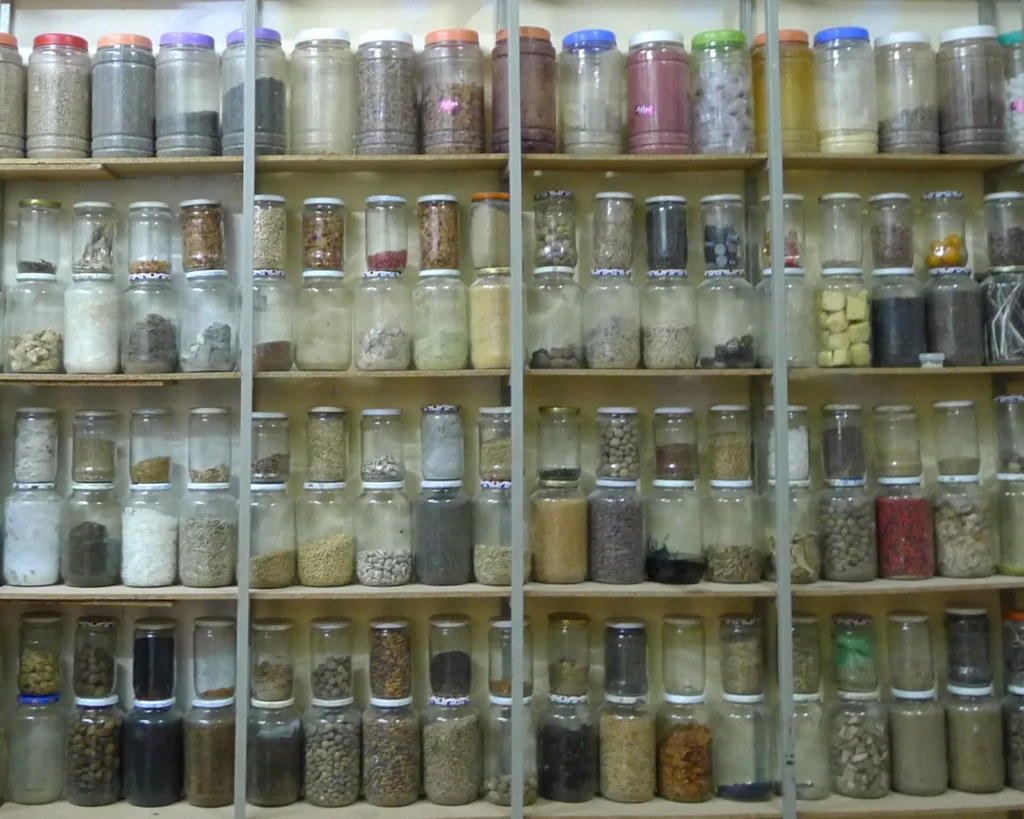
Illustrations : « Tinghir Pharmacy, Morocco » — Bernhard Holub (CC BY-SA 4.0) ; « Hands holding a pack of pills » — Shixart1985 (CC BY 2.0), via Wikimedia Commons.