Planning a trip and wondering about the best things to do in Marrakech? The “Ochre City” packs sumptuous palaces, labyrinthine souks, enchanting gardens and one of the liveliest squares on earth into a single destination. This complete guide brings together every place to visit, the must-see landmarks and the best activities to plan a successful stay, whether you’re here for three days or a whole week. Each section points to a more detailed guide so you can dig deeper.
Marrakech at a glance: the essentials
- UNESCO-listed medina since 1985: the historic core where most of the monuments are found.
- Ideal length of stay: 3 days for the essentials, 5 days to add a day trip.
- Best time to go: March to May and September to November (mild weather).
- Must-sees: Jemaa el-Fna square, the Koutoubia minaret, the Bahia Palace, the Saadian Tombs, the Ben Youssef Madrasa, the Majorelle Garden and the souks.
- Getting there: Marrakech-Menara Airport (RAK) is about 6 km from the center, roughly a fifteen-minute ride.
Independent, free guide. This site is not affiliated with any official tourism board: it simply helps you plan your visit. Prices and opening hours are given as a guide only and may change — check them on site.
The medina: the UNESCO-listed historic heart
Founded in the 11th century by the Almoravid dynasty, the medina of Marrakech has been a UNESCO World Heritage Site since 1985. Encircled by nearly 19 kilometers of ochre-toned rammed-earth ramparts — hence the nickname “Red City” — it gathers mosques, palaces, madrasas and a maze of alleys that are a delight to get lost in. This is where most of what people come to see in Marrakech is concentrated.
Right beside the old town lies Guéliz, the new town built during the Protectorate era — more modern, with its avenues, shops and cafés. Understanding this dual identity — traditional medina and new town — helps you plan your days and alternate between heritage sightseeing and moments of relaxation.
What to see in Marrakech: the must-see landmarks
Jemaa el-Fna square, the beating heart of the city
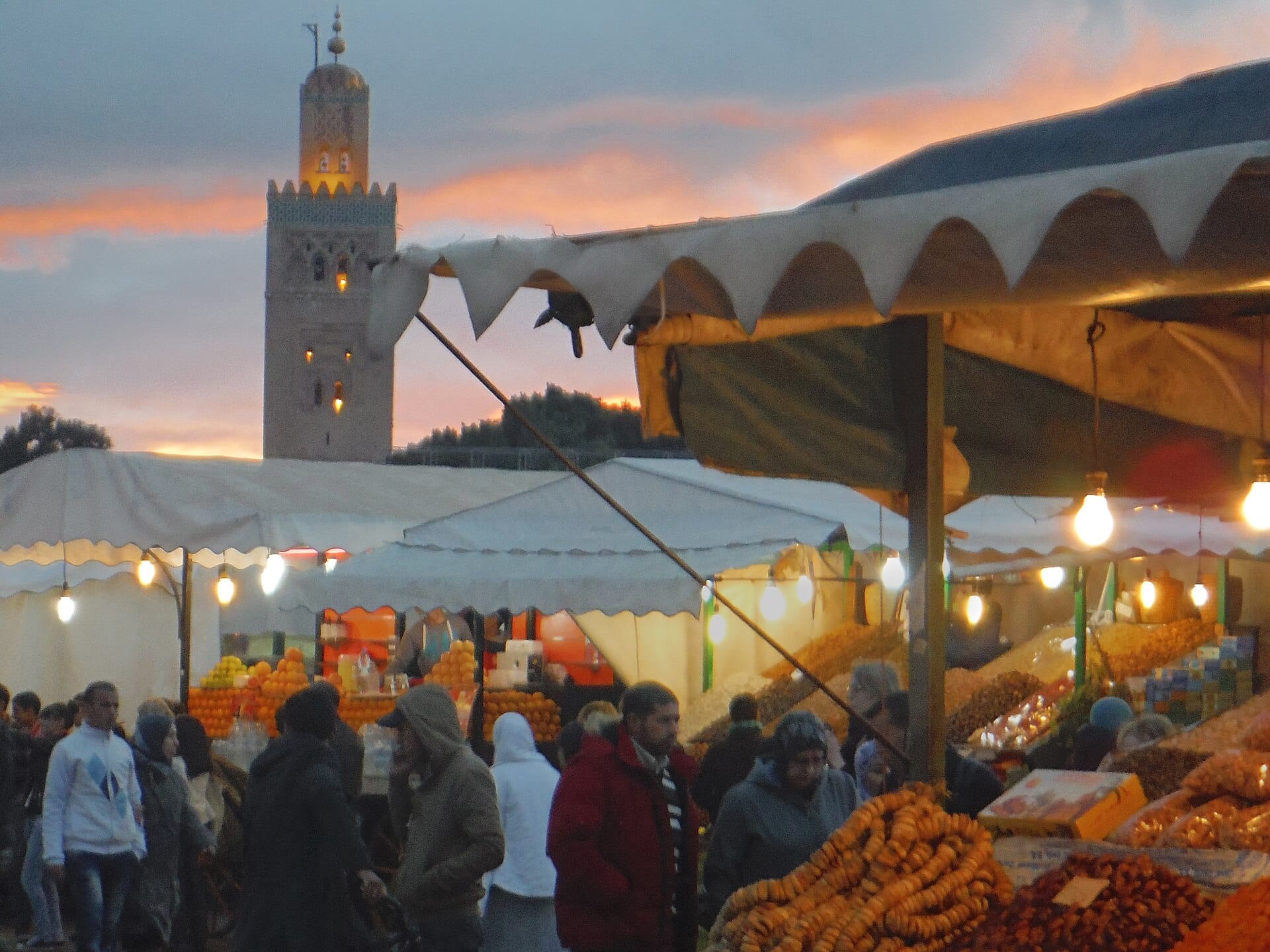
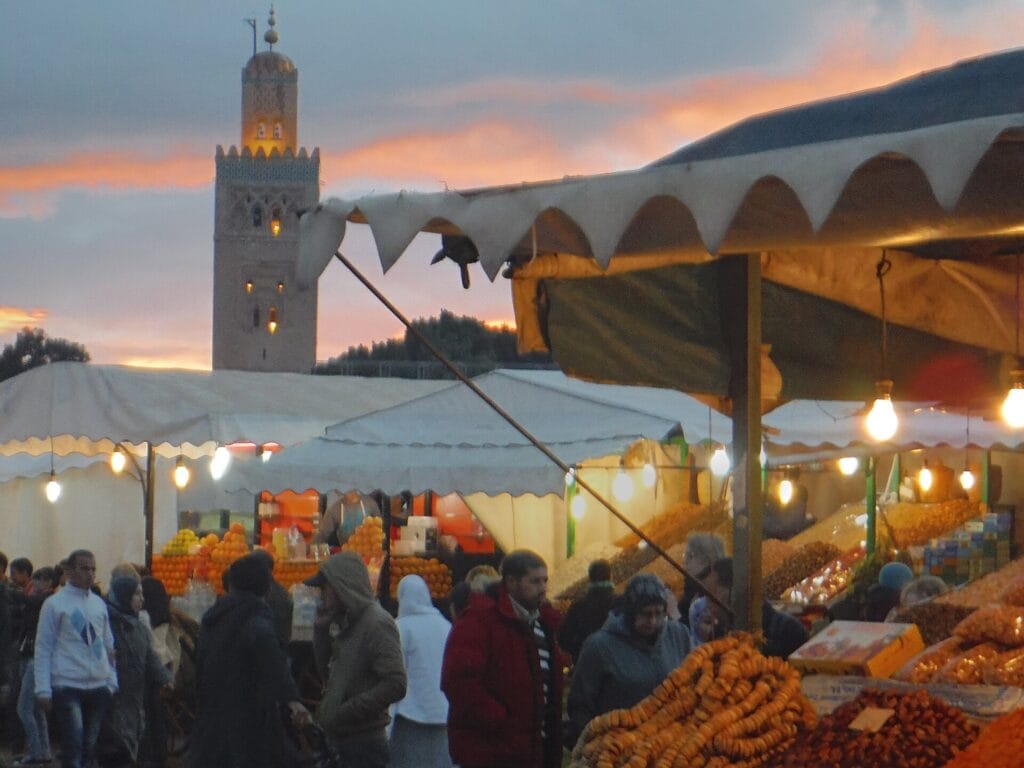
You simply can’t visit Marrakech without passing through Jemaa el-Fna square. By day it fills with orange-juice sellers, henna tattoo artists and snake charmers; by night it turns into a vast open-air restaurant where storytellers, Gnaoua musicians and dancers keep a unique oral tradition alive. That vibrant atmosphere earned it recognition by UNESCO as a “Masterpiece of the Oral and Intangible Heritage of Humanity” as early as 2001, and it was formally inscribed in 2008. Since February 2023, a museum dedicated to intangible heritage has even opened on the square.
👉 The famous Jemaa el-Fna square is the place to head at dusk for the best spots, the dishes to try and the scams to avoid.
The Koutoubia minaret, the emblem of Marrakech
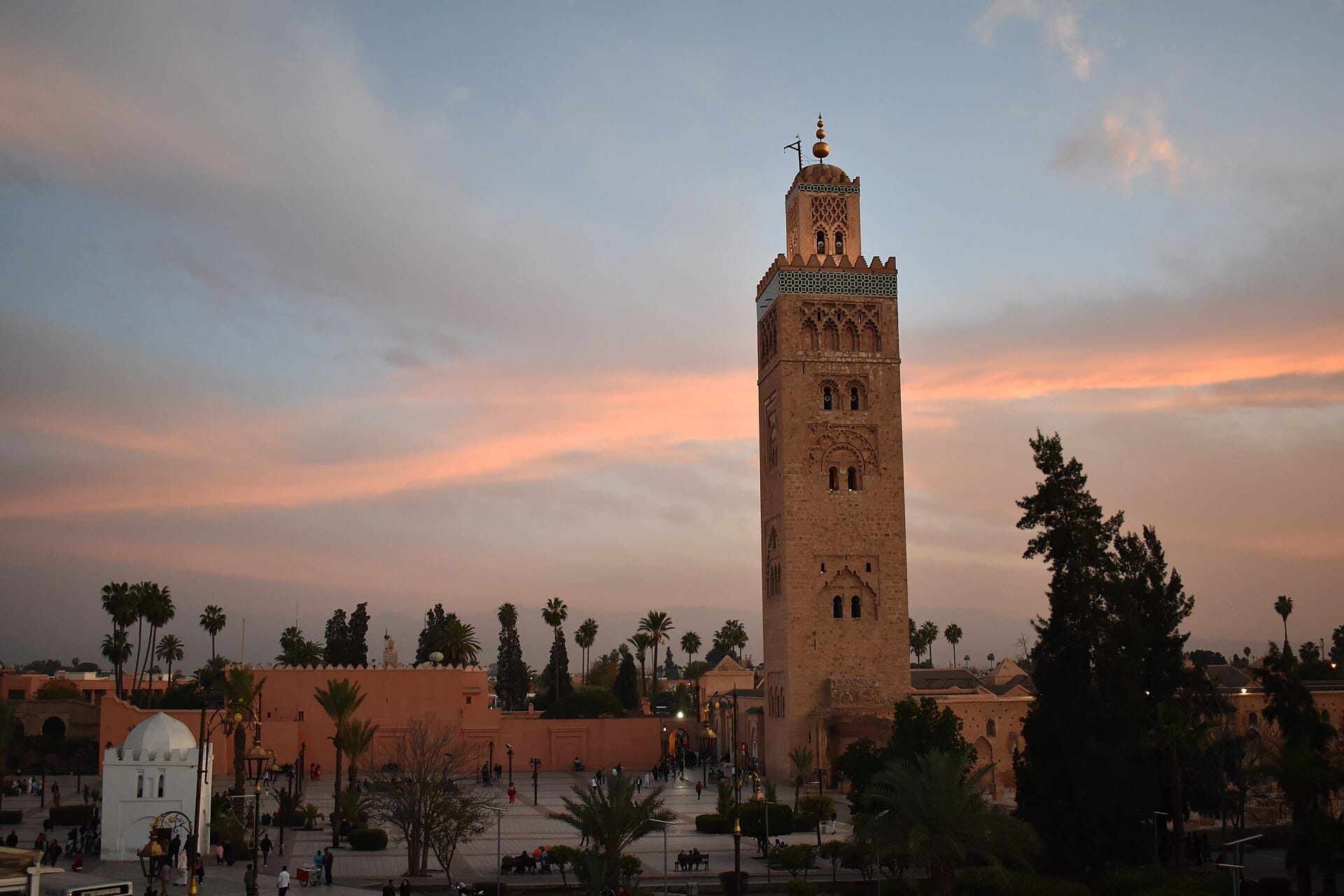
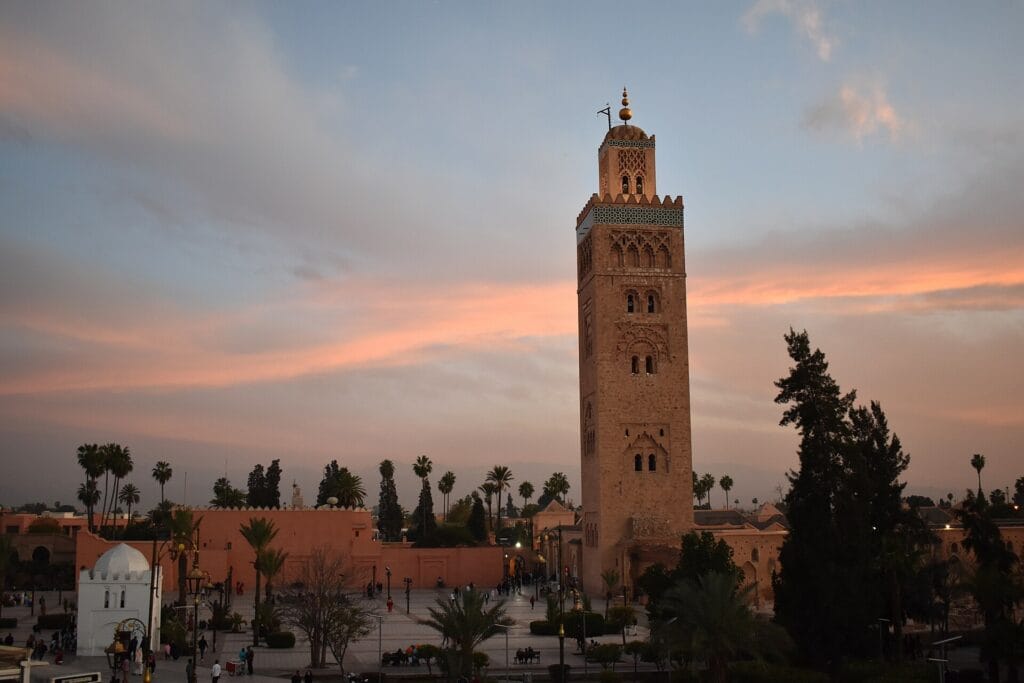
Visible from almost everywhere, the minaret of the Koutoubia Mosque is the symbol of the city. Built by the Almohads in the second half of the 12th century, it soars 77 meters high in pink sandstone and served as the model for the Giralda in Seville and the Hassan Tower in Rabat. A planning rule still protects its skyline: no building in the medina may rise higher than it. The mosque itself is not open to non-Muslims, but you’re free to admire the minaret and its surrounding gardens, which are especially beautiful at sunset.
The Bahia Palace, a masterpiece of Moroccan art
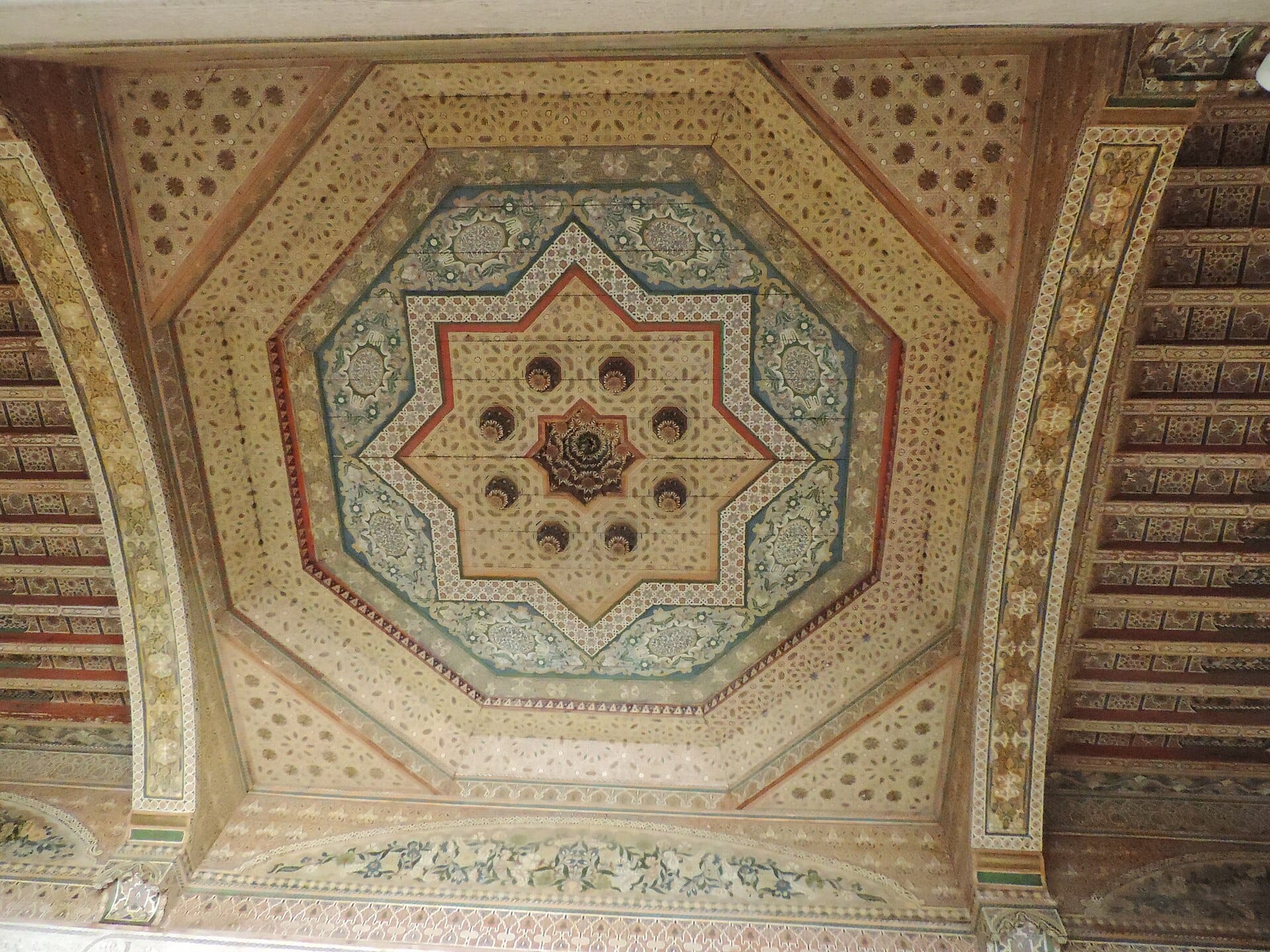
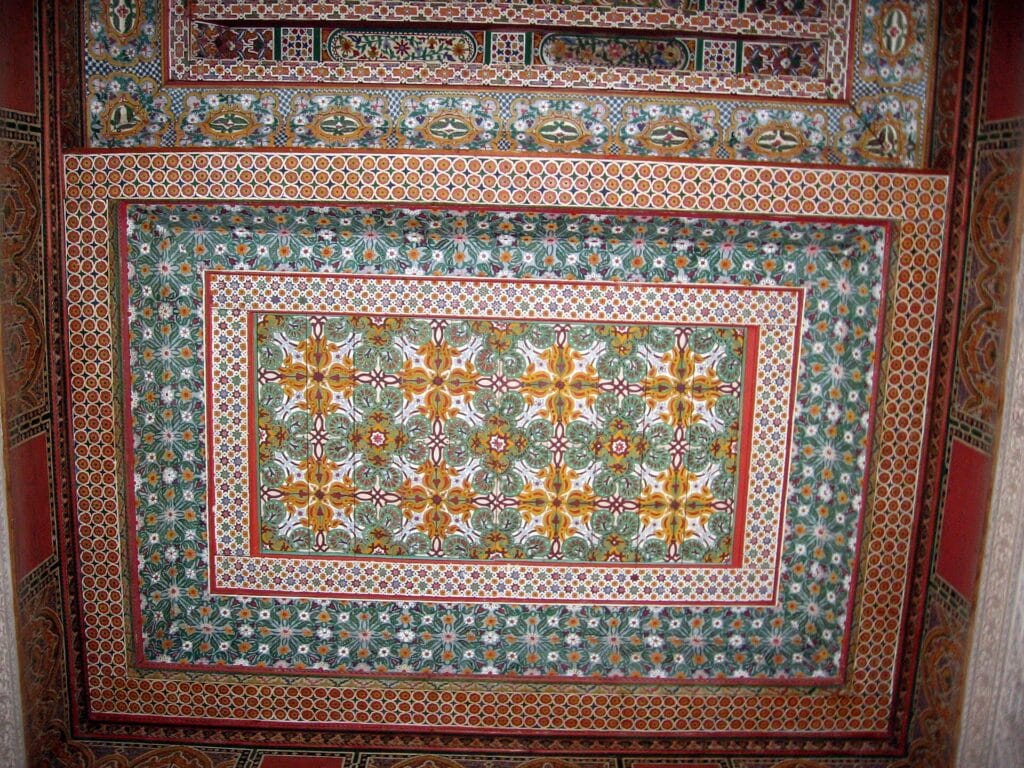
Built in the late 19th century for a grand vizier, the Bahia Palace (“the beautiful”) unfolds across nearly eight hectares of patios, gardens and rooms adorned with zellige tilework, carved stucco and painted cedar ceilings. It’s one of the finest showcases of Moroccan craftsmanship and one of the most visited monuments in the city. Expect an entry fee of around 100 dirhams as a guide.
The Saadian Tombs and the El Badi Palace
Rediscovered in 1917, the Saadian Tombs hold the graves of the dynasty that ruled Marrakech in the 16th century. The Hall of Twelve Columns, in Carrara marble and gilded stucco, is a jewel of Hispano-Moorish art. A few steps away, the El Badi Palace, now open to the sky, hints at the past splendor of its immense courtyards and pools; its ramparts offer a fine view over the medina and serve as a nesting site for storks.
The Ben Youssef Madrasa, Morocco’s largest Quranic school
A former Quranic school founded in the 14th century and enlarged under the Saadians, the Ben Youssef Madrasa has reopened after an exemplary restoration. Its central courtyard, zellige tilework, moucharabieh screens and calligraphic inscriptions make it one of the most beautiful examples of Islamic architecture in Marrakech. It’s often visitors’ favorite monument for the serenity and delicacy of its decoration.
The gardens of Marrakech: oases of cool
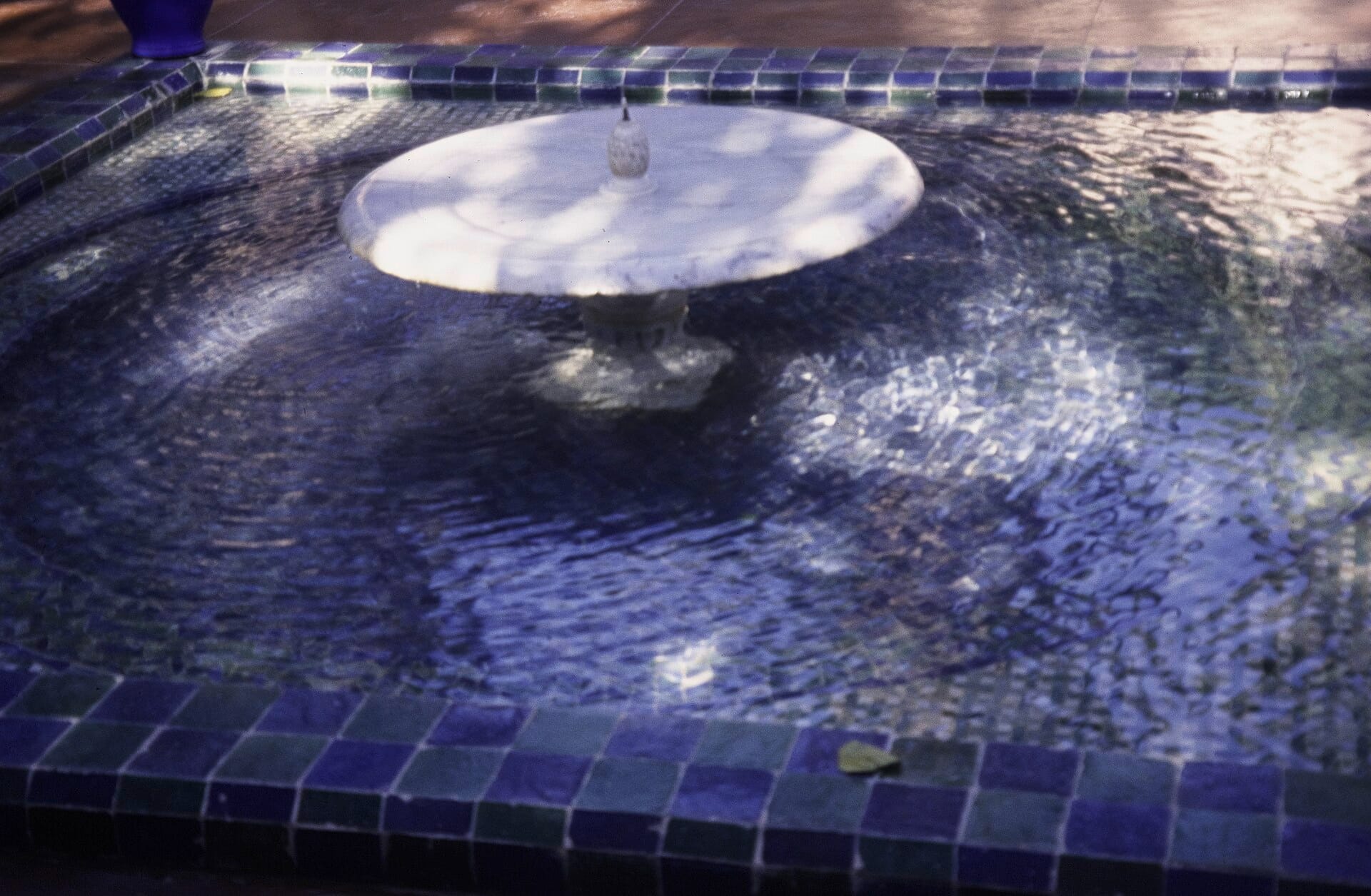
The Majorelle Garden is probably the most famous in the city. Created by the painter Jacques Majorelle and later rescued and restored by Yves Saint Laurent and Pierre Bergé, it charms visitors with its intense cobalt blue — the celebrated “Majorelle Blue” — its bamboo grove and its cacti. It houses the Berber Museum and adjoins the Yves Saint Laurent Museum. It’s best to book your ticket in advance and arrive early to beat the crowds.
👉 Come early to make the most of the Majorelle Garden, and check the opening hours, ticket prices and the story behind this iconic spot before you go.
To extend the green interlude, two other gardens are worth the detour: the Secret Garden, in the heart of the medina, which recreates the art of Islamic gardens and their fascinating traditional irrigation (the khettaras), and the Menara Gardens, with their large basin and pavilion facing the Atlas Mountains — one of Marrakech’s classic postcard views.
The souks and shopping: the art of haggling
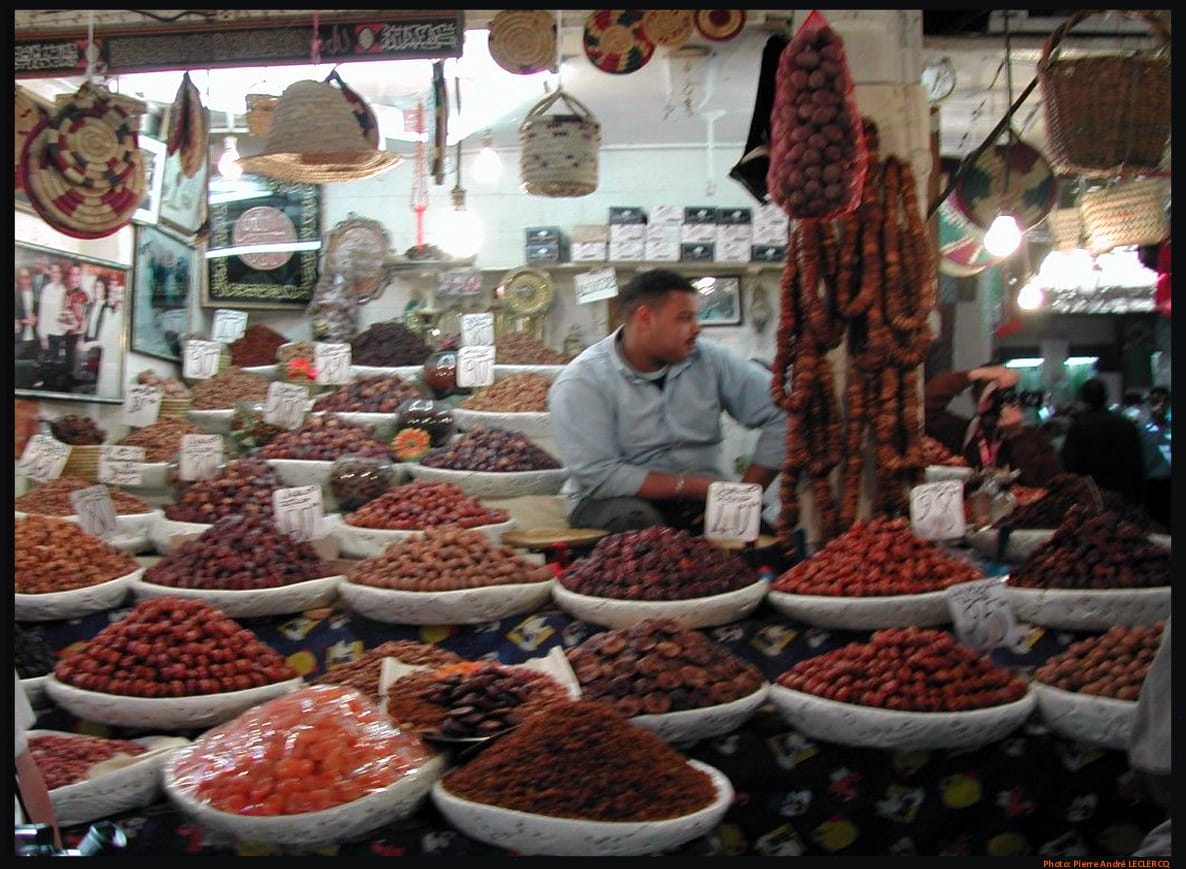
North of Jemaa el-Fna square stretches the largest souk in Morocco, traditionally organized by trade guilds: babouche slippers, leather goods, chiseled metal lanterns, Berber rugs, pottery, spices and argan oil. Haggling is a custom here: name a price well below the asking one, keep smiling, and don’t hesitate to compare several stalls before you buy. Keep cash in dirhams handy, as few vendors accept cards.
👉 Looking for authentic buys? Focus on the classic finds to slip into your suitcase — Berber rugs, leather babouches, hand-chiseled lanterns, pottery and argan oil — and learn to tell genuine craftsmanship from mass-produced imitations.
Museums and culture
Beyond its monuments, Marrakech boasts a first-rate museum scene. The Yves Saint Laurent Museum, with its striking brick architecture, retraces the work of the designer who was so deeply inspired by the city. The Marrakech Museum, set in the Dar Menebhi palace, blends traditional art with temporary exhibitions, while the MACAAL shines a spotlight on contemporary African art. Photography lovers will enjoy the House of Photography (Maison de la Photographie) and its panoramic terrace.
Experiences and activities to enjoy in Marrakech
- Relax in a hammam: from the traditional neighborhood bath to the refined spa, the ritual of black soap and exfoliation is a must.
- Take a cooking class: learning to prepare a tagine or a pastilla in a riad is a hugely popular experience.
- Dine on a rooftop: the terraces around the Koutoubia and Jemaa el-Fna offer unforgettable sunsets.
- Explore the Palmeraie: a camel ride or a quad-bike outing just minutes from the center.
- Experience the Agafay Desert: this stony desert, less than an hour away, offers dinners under the stars and nights in a camp.
Sports fans aren’t left out either: Marrakech is also a well-known golf destination, with several championship courses on the outskirts framed by views of the Atlas Mountains.
Food: what to eat in Marrakech
Food is an integral part of any visit. Marrakech even has its own specialty: the tanjia marrakchia, meat slow-cooked for hours in a clay urn buried in the embers of the hammam. You’ll also savor tagine (lamb with prunes, chicken with preserved lemon), the traditional Friday couscous, sweet-and-savory pastilla and the essential mint tea, a symbol of Moroccan hospitality.
For atmosphere, nothing beats the food stalls of Jemaa el-Fna after dark: skewers, harira soup, snails and msemen enjoyed elbow to elbow. Foodies may prefer the rooftop terraces around the square, or the refined tables tucked away inside the riads. A little hygiene tip: choose the busiest stalls, a good sign of freshness.
The neighborhoods of Marrakech to know
- The medina: the historic heart, where to stay for an authentic atmosphere in a riad.
- The Kasbah: the royal quarter, around the El Badi Palace and the Saadian Tombs.
- The Mellah: the former Jewish quarter, with its synagogue and spice market.
- Guéliz: the new town, with its modern shops, art galleries and restaurants.
- Hivernage: the chic district of grand hotels and nightlife.
- The Palmeraie: a palm-grove oasis on the outskirts, prized for its resorts and outdoor activities.
What to do in Marrakech in the evening?
At night, Marrakech takes on a new face. Jemaa el-Fna square blazes with smoke and light: it’s the perfect time to dine at the food stalls, listen to the storytellers and feel the full energy of the city. The panoramic terraces surrounding it offer a breathtaking view of the illuminated Koutoubia minaret. The souks, meanwhile, gradually empty out — a chance to wander a quieter medina.
For a livelier night out, the Hivernage district and Guéliz are packed with atmospheric bars, restaurants and dinner shows. Some venues put on “fantasia” evenings blending fine food, music and horsemen. Finally, there’s nothing like a dinner under the stars in the Agafay Desert to round off a stay in style.
Mistakes to avoid in Marrakech
- Accepting an unsolicited “guide” in the street: they’ll mostly steer you toward shops that pay them a commission.
- Forgetting to agree on the price of a taxi or a purchase before getting in or buying.
- Trusting the first price quoted in the souks: haggling is part of the game.
- Photographing people (snake charmers, performers) without asking: a tip will be expected.
- Underestimating the summer heat: a hat, water and shade breaks are essential in summer.
The best day trips from Marrakech
Marrakech is the perfect base for exploring some of Morocco’s most beautiful landscapes. Among the most popular day trips:
- The Ourika Valley (about 1h30): a river, Berber villages and small waterfalls at the foot of the High Atlas.
- The Ouzoud Waterfalls (about 2h30): Morocco’s tallest falls (110 m), frequented by Barbary macaques.
- Aït Benhaddou and Ouarzazate: the UNESCO-listed ksar and the “cinema capital” on the far side of the Atlas.
- Essaouira: the fortified seaside town on the Atlantic, about a 2h30 drive away.
- Imlil and the High Atlas: hikes and mountain villages at the foot of Mount Toubkal.
👉 Compare the itineraries, durations and prices for the most popular day trips from Marrakech before you book.
Planning your visit: practical tips
How many days should you plan?
Three days are enough to discover the essentials: the medina, the main palaces and gardens, the souks and an evening at Jemaa el-Fna. Allow five days if you’d like to wander at leisure, enjoy a riad and add a day trip to the Atlas or Essaouira.
What’s the best time to go?
Spring (March to May) and autumn (September to November) are the most pleasant, with mild days and comfortable evenings. Summer is very hot (often over 40 °C), while winter stays sunny but cool in the evening.
Where to stay: riad or hotel?
For a first visit, sleeping in a riad in the heart of the medina is an experience in itself: these traditional houses built around a patio offer calm and authenticity, just steps from the monuments. Travelers looking for a pool, spa and international comfort will lean toward the hotels of Hivernage or the Palmeraie. Remember to arrange a transfer, as the alleys of the medina are not accessible by car.
How to get there and get around?
The city is served by Marrakech-Menara Airport (RAK), just 6 km from the center. Once there, the medina is best explored on foot; for longer trips, use the petits taxis (beige), always agreeing on the fare beforehand or insisting on the meter. To stay connected the moment you land, an eSIM for Morocco is the simplest solution. For longer routes, small beige taxis and pre-arranged transfers are the norm — always agree on the price before you set off.
Budget, safety and good habits
Marrakech remains an affordable destination: a local meal costs just a few euros, and entry to the major monuments around 70 to 100 dirhams. The city is generally safe for travelers; most nuisances are limited to persistent sales pressure. Keep your valuables close, always agree on prices in advance, and avoid the deserted alleys of the medina at night. An outfit covering the shoulders and knees is appreciated in traditional places.
On a practical note, the currency is the Moroccan dirham (MAD), which can only be exchanged once you’re on site or withdrawn from ATMs. Always carry cash for the souks, taxis and small restaurants. People speak Arabic and Amazigh (Berber), but French is very widely understood and English is common in tourist areas. A tip (5 to 10%) is customary at restaurants and for guides. Finally, a small supply of water and sun protection are essential, especially from June to September.
Frequently asked questions about visiting Marrakech
What to do in Marrakech in 3 days?
Devote the first day to the medina (Koutoubia, souks, Jemaa el-Fna), the second to the palaces and museums (Bahia, Saadian Tombs, Ben Youssef Madrasa), and the third to the gardens (Majorelle, Menara) or a day trip to the Ourika Valley.
What’s the best time to visit Marrakech?
Spring (March–May) and autumn (September–November) offer the most pleasant climate. Avoid the height of summer, when temperatures frequently exceed 40 °C.
Is Marrakech a safe destination?
Yes, Marrakech is considered safe for tourists. Violent theft is rare. The main annoyance is persistent sales pressure in the souks: staying polite but firm is usually enough.
What budget should you plan for visiting Marrakech?
Marrakech suits every budget. Excluding accommodation and flights, allow roughly €30 to €50 per day per person for meals, monument entries and taxi rides.
Do you need a guide to visit Marrakech?
It’s not essential: the medina is easy to explore on foot, map in hand. That said, an official guide (recognizable by their professional badge) can enrich your visit to the monuments with historical context and help you fend off touts. Do beware, however, of the “fake guides” who offer their services in the street.
Is Marrakech suitable for a family trip?
Yes, children love the city: the performances of Jemaa el-Fna, camel rides in the Palmeraie, colorful gardens and Oriental pastries. Choose a riad with a patio or a hotel with a pool for breaks, avoid the hottest hours and keep water within reach.
Ready to discover the Ochre City?
Between thousand-year-old heritage, art of living and spectacular landscapes within easy reach by road, Marrakech fully earns its place among Morocco’s flagship destinations. Start by planning your arrival with our guide to Marrakech-Menara Airport, then explore the rest of the country with our guide to the airports of Morocco. Have a great trip!
Read more
- the desert from Marrakech: Merzouga & Zagora
- your Marrakech travel budget
- visiting Marrakech with kids
- Marrakech for couples
- Marrakech nightlife & rooftops
- a hot-air balloon flight in Marrakech
- Setti Fatma & the Ourika waterfalls
- Marrakech in one day
- Marrakech in two days
- Marrakech in four days
- Marrakech in five days
- Marrakech or Fez: which city to choose
- Marrakech or Agadir: which city to choose
- free things to do in Marrakech
- Marrakech when it rains
- getting around Marrakech
- Marrakech in summer
- Marrakech during Ramadan
- alcohol in Marrakech
- what to wear in Marrakech
- Marrakech with a baby
- do you need a guide in Marrakech
- the Almoravid Koubba
- Marrakech ramparts & gates
- the Mellah (Jewish quarter)
- the Marrakech tanneries
- the Anima Garden
- money in Marrakech
- SIM card & internet in Marrakech
- Marrakech solo female travel
- wheelchair-accessible Marrakech
- the best photo spots in Marrakech
- pools & day passes in Marrakech
- Marrakech in 7 days
- Marrakech Menara Airport
- the Hivernage district
Photo credits
Images under free license via Wikimedia Commons: Jemaa el-Fna © Elgaard (CC BY-SA 4.0); Koutoubia © Misa.stefanovic.07 (CC BY-SA 4.0); Majorelle Garden © A. van Achterberg / ASC Leiden (CC BY-SA 4.0); Bahia Palace © Vassia Atanassova – Spiritia (CC BY-SA 4.0); Souk © Pierre André Leclercq (CC BY-SA 4.0). Sources: UNESCO, Wikipedia.